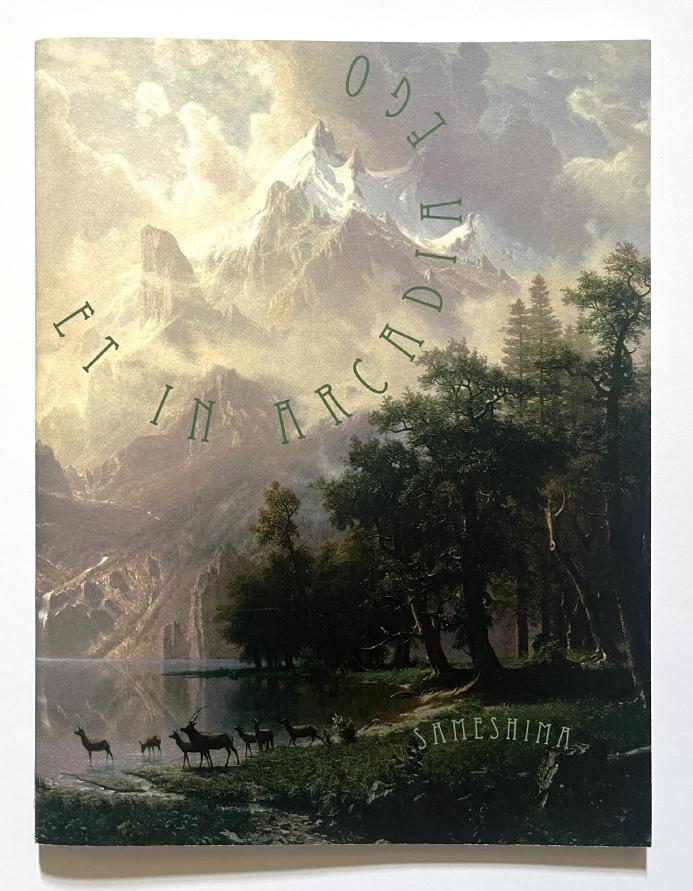
The original edition was produced in 2015 for Open Book, an exhibition curated by Shelly Jacobson at RM Gallery. Only eight copies were made.
Ten years later, long out of print, the book still feels current given recent geopolitical and climate events. The images haven’t been revised. If anything, the world around them has shifted—or come into sharper focus. What once seemed distant now reads more directly. The same conditions persist: conflict, spectacle, excess. All still there, just harder to look past.
The photographs were made over two decades (1992–2013), during overseas travels. They move through art museums, tourist sites, and shopping destinations—spaces of display and controlled encounter. Ruins, paintings of war, natural history museum dioramas, the Paris catacombs and scenes of retail excess sit alongside staged grandeur of Caesars Palace. A couple of images made in Aotearoa New Zealand and a selection of public-domain artworks are folded into the sequence.
The title, Et In Arcadia Ego, points to the classical reminder that death is present even in paradise. There is no single subject, only an accumulation: images of images, histories already framed, realities already mediated.
IMG_7112
IMG_7111
IMG_7113
IMG_7117
IMG_7115
IMG_7114
IMG_7110
IMG_7116
IMG_7118
Original publication date 2015, reissued May 2025 Softcover | singer sewn | 44 pages Second printing 100 copies
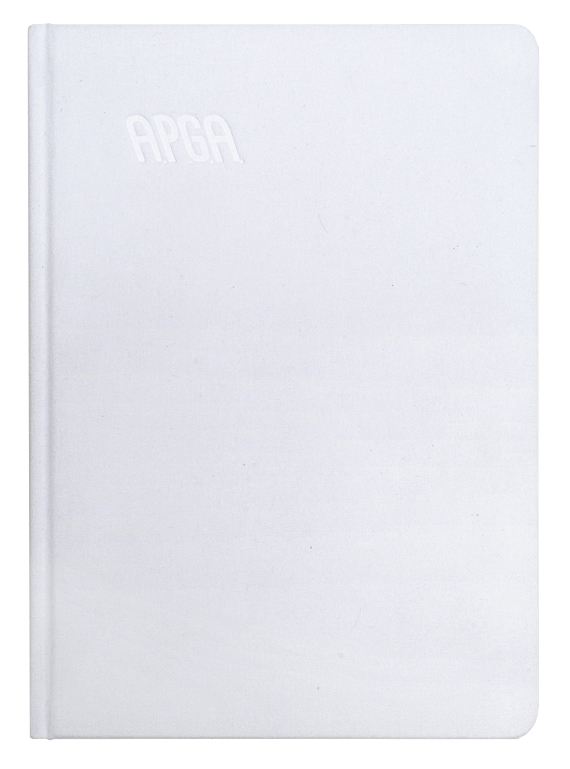
Rim Books is ecstatic to be involved in publishing and distributing A.P.G.A. – the third artist book by Henry Turner (b.2000, Papatahora, Aotearoa/New Zealand).
Turner lives and works between Kā Pakihi Whakatekateka o Waitaha, Aotearoa and Frankfurt, Germany creating work that occupies a space that categories fail to hold. Turner prefers slippage, residue and the refusal of clear edges. Rejecting an overarching thesis, meaning instead accrues through ritual, obsession and repetition.
A.P.G.A. is his latest amalgamation of his outputs since 2022. This include painting, sculpture, stills from a film, drawings, ceramics, conversation, writing and found texts and objects, collages, photographs and imaginings from the far reaches of the galaxy and history.
In the words of a gallerist from Ōtautahi, A.P.G.A. as body of work draws together “an immersive exploration of religion and irreligion, faith, divination and city-making rich with literary, historical and cultural references. Meticulously executed, intriguing in their multiplicity of form and allusion, the works in A.P.G.A frame a unique line of inquiry into human belief”.
Place to Place Matt Arbuckle with essays by Lucinda Bennett and Emily Cormack
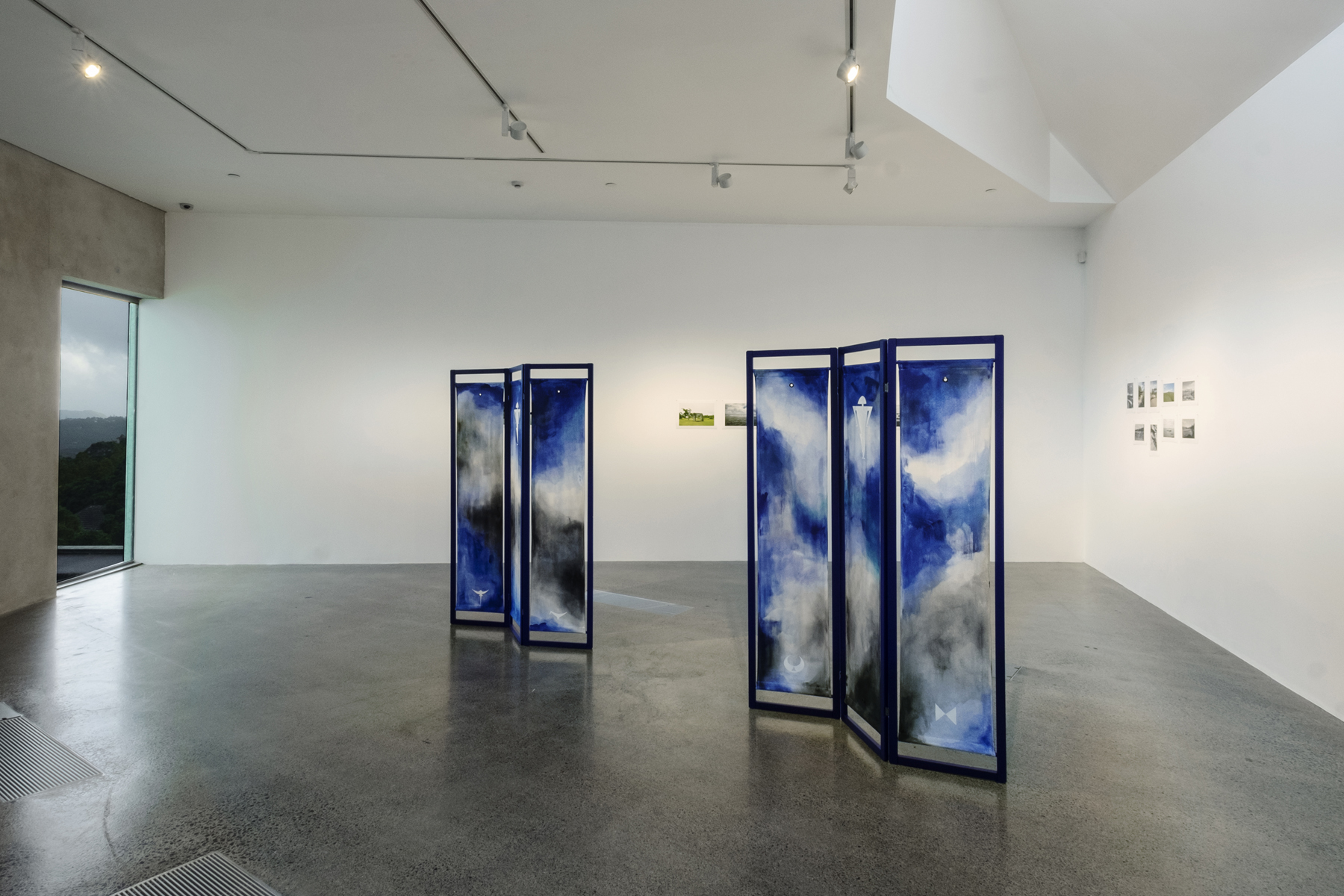
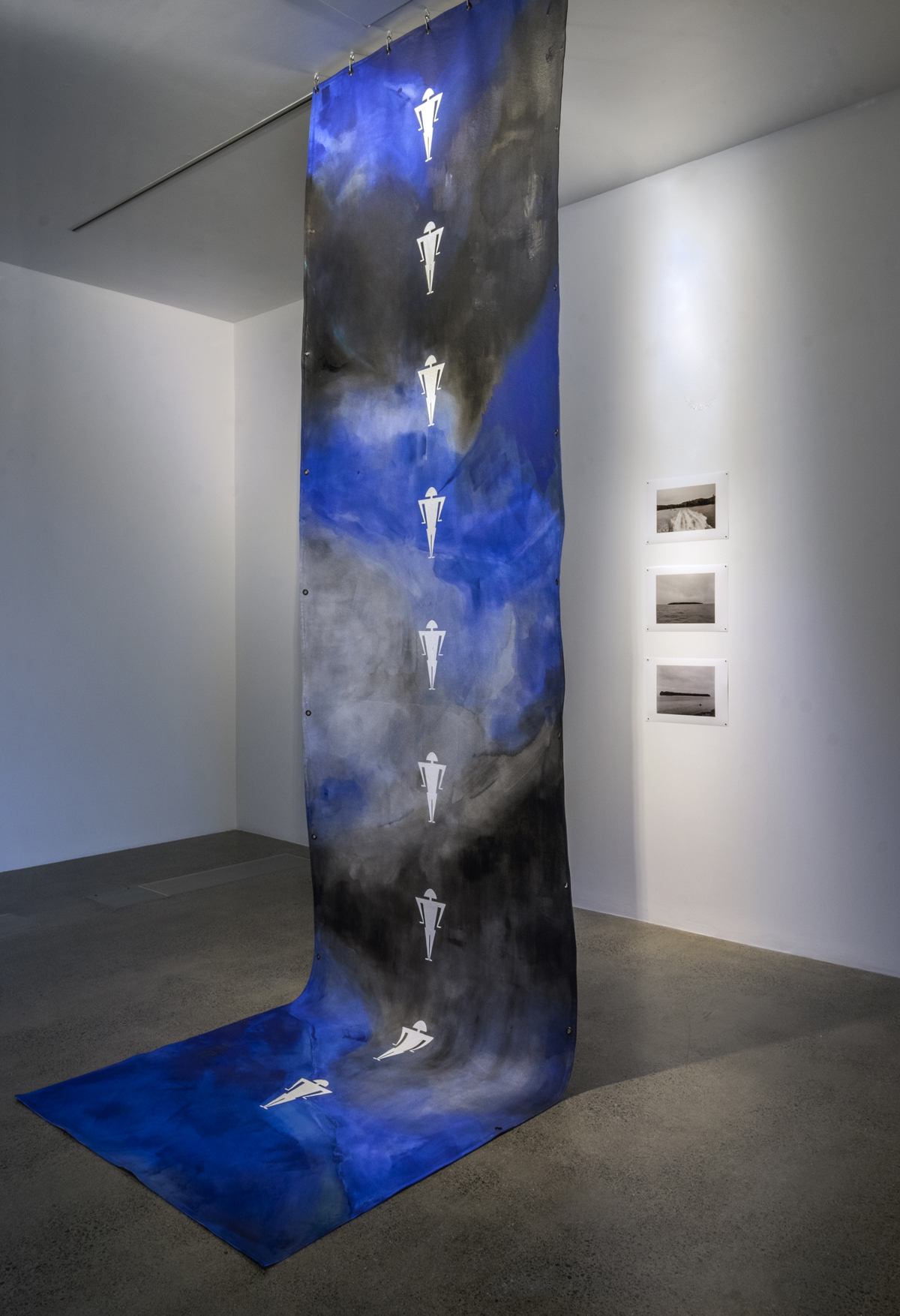
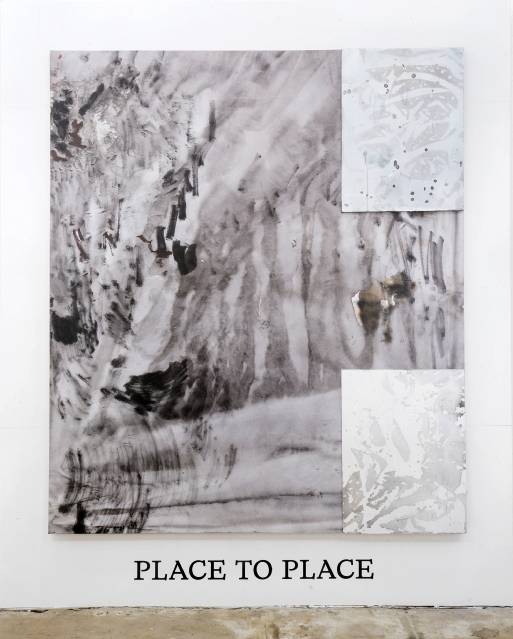
This monograph surveys Matt Arbuckle’s recent works made between 2019 and 2024, with particular attention to two exhibitions: Bow Echo (Two Rooms, Auckland, 2023) and Subduction and Abduction (Daine Singer, Naarm/Melbourne, 2024).
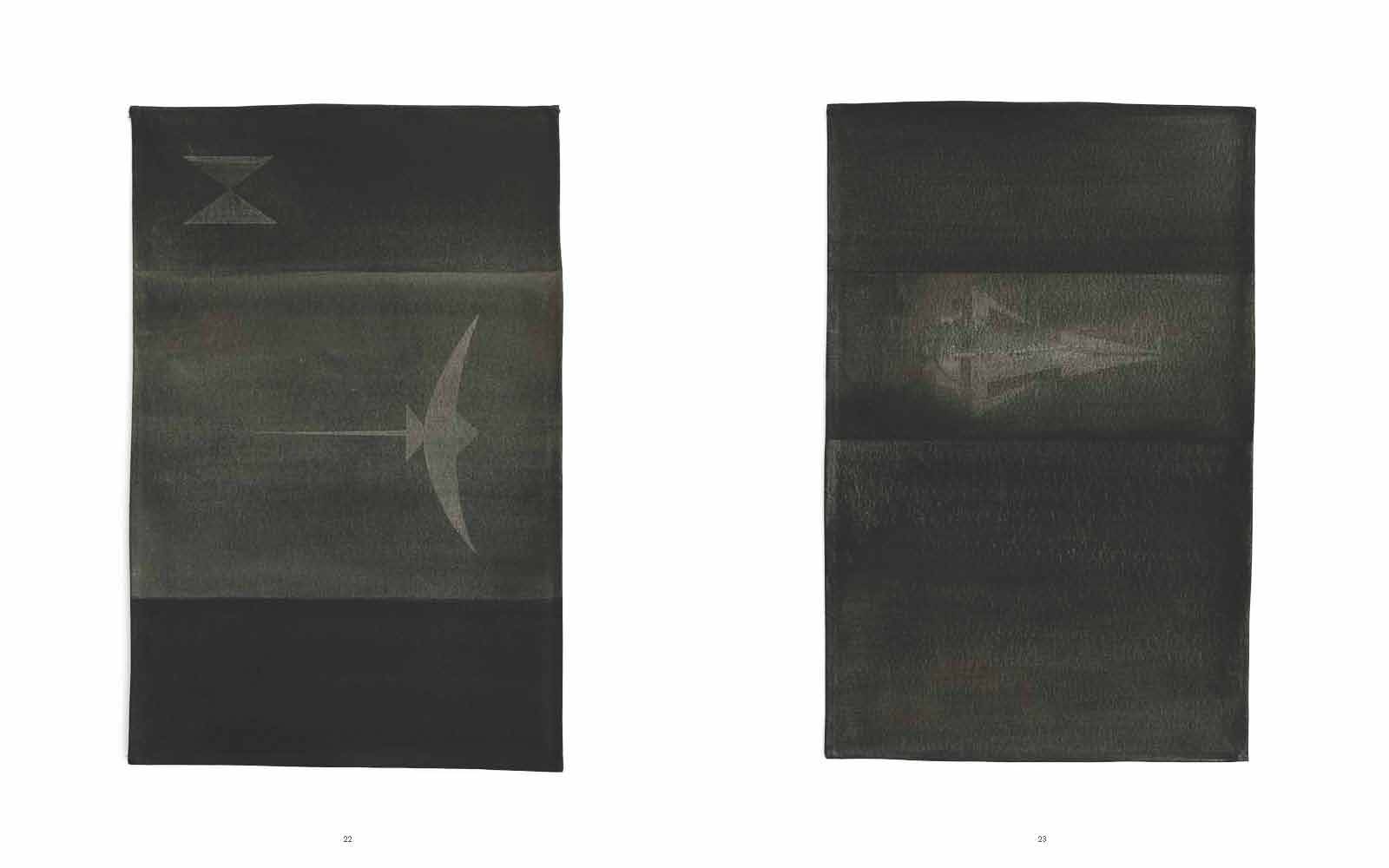
A prolific maker, Arbuckle’s practice is a process-driven exploration of place, with landscapes conceptualised through the very act of their making. Favouring process over outcome, Arbuckle employs elements of traditional Japanese shibori dyeing techniques — wrapping, twisting, folding, and draping fabric over found surfaces and structures — to create abstract compositions. The resulting paintings use depth and movement to trace and reveal abstract memories, imprinting the experience of place into the artwork.
Lucinda Bennett describes Arbuckle’s process as akin to unearthing hidden layers beneath a driveway, shaped by time, chance, and material transformation:
“Arbuckle’s paintings begin on a driveway like mine, are born in the dank, resilient synthetic fabric soaked in a vat of staining liquid and left folded on the ground, exposed to the elements, until again they are soaked and folded, weathered by rain and groundwater, left unlovely to collect grit and sediment in their knitted polyester grain, the cycle repeating until one lucky day when they are retrieved, transported inside and laid out to dry, stretched between wooden bars and lifted off the floor, hung on the wall, finally in the light.
In the light, they are transformed. What once appeared discarded and grimy has been rehabilitated, not so much scrubbed up as distilled. In the light, dark seams hold weight, hold earth, might-be landmasses, horizons, islands, opaque bands of isthmus floating between watery sea and sky.”
The book intersperses Arbuckle’s painted works with a selection of the artist’s photographs, collected over the same period. These images create further associations between place and landscape, and the abstract forms borne of the painting process.
Another essayist in the book, Melbourne-based curator and writer Emily Cormack, associates the works materiality with earth’s geological process:
“His work unfolds with the story of his site, allowing for the spread of grit and stain of paint, just as the earth permits the ebb and flow of sedimentary activity that gives it colour and texture. Because surely the grit from the studio floor and the twists in a fabric’s surface tell a more resonant story than any description of them? In this way Arbuckle’s painting processes are an attempt to bring story and site together and allow one to imprint on the other. . .
Painting is not a written history. In its essence it transmits a story of matter and material, and of expanse and intimacy. In Matt Arbuckle’s works the past and the present are folded together, like the sediment of the earth, marking the moment when story hits substrate. In each of his paintings are the episodic memories of a child running fingers over the ragged layers of a cave’s sediment, the crumbling of mineral under thumb; the discovery of fool’s gold, and the tricks in the soil that tarnish new to old. His works evoke the hidden tidelines of the earth and the vast unknowns of an imagined, aching, open seascape.”
_DSC9618
_DSC9627
_DSC9628
_DSC9632
_DSC9633
_DSC9634
_DSC9635
_DSC9626
May 2025
ISBN: 978-1-99-116528-2
Designed by Felix Henning-Tapley Soft-cover with flaps |128 pages 265 x 213 mm | colour illustrations RRP $50.00
Motutapu Benjamin Work & Brendan Kitto Foreword by Zoe Black, essays by Pita Turei, Paul Johansson, Stan Wolfgramm and the artists Designed by Shaun Naufahu and Giordano Zatta
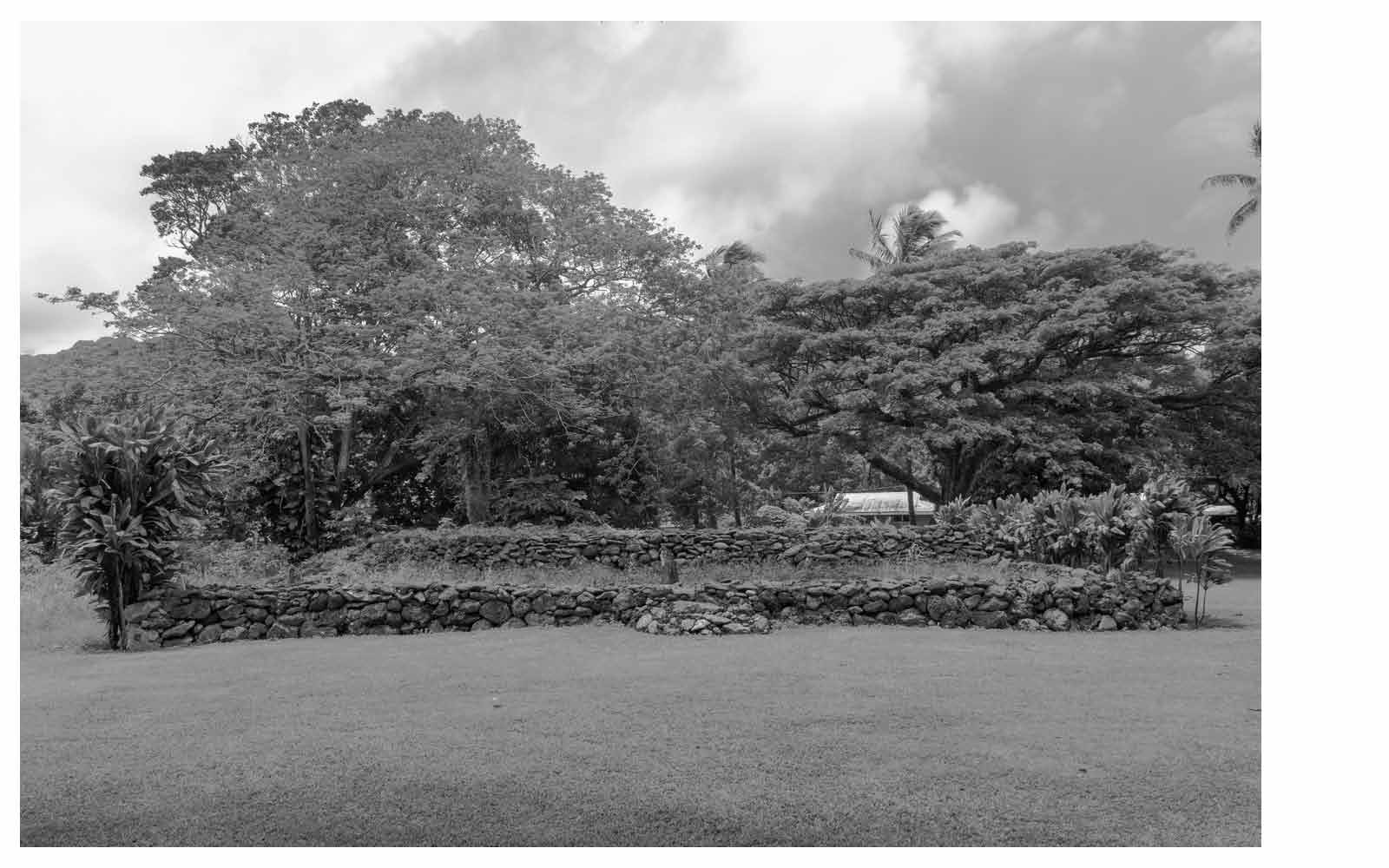
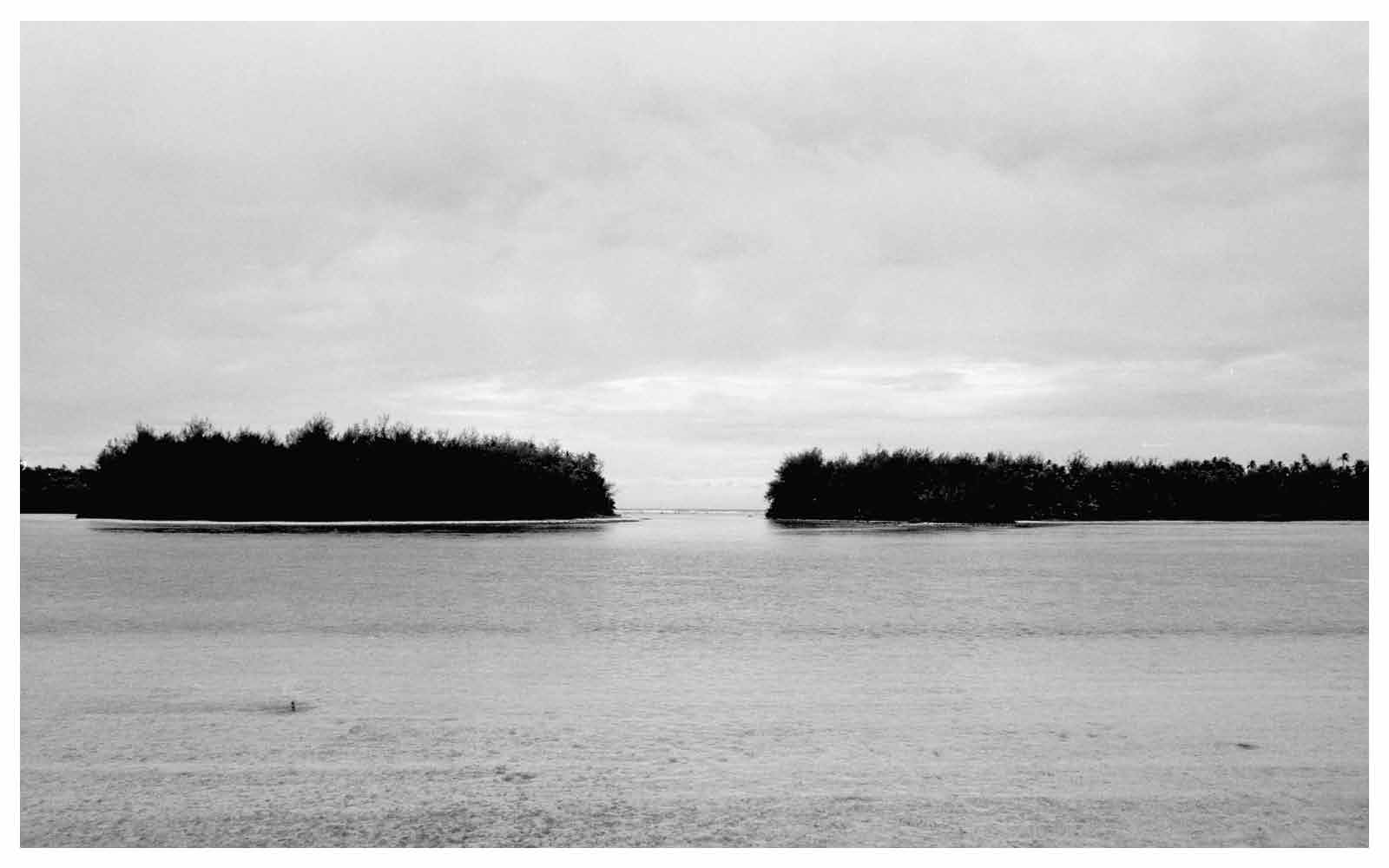
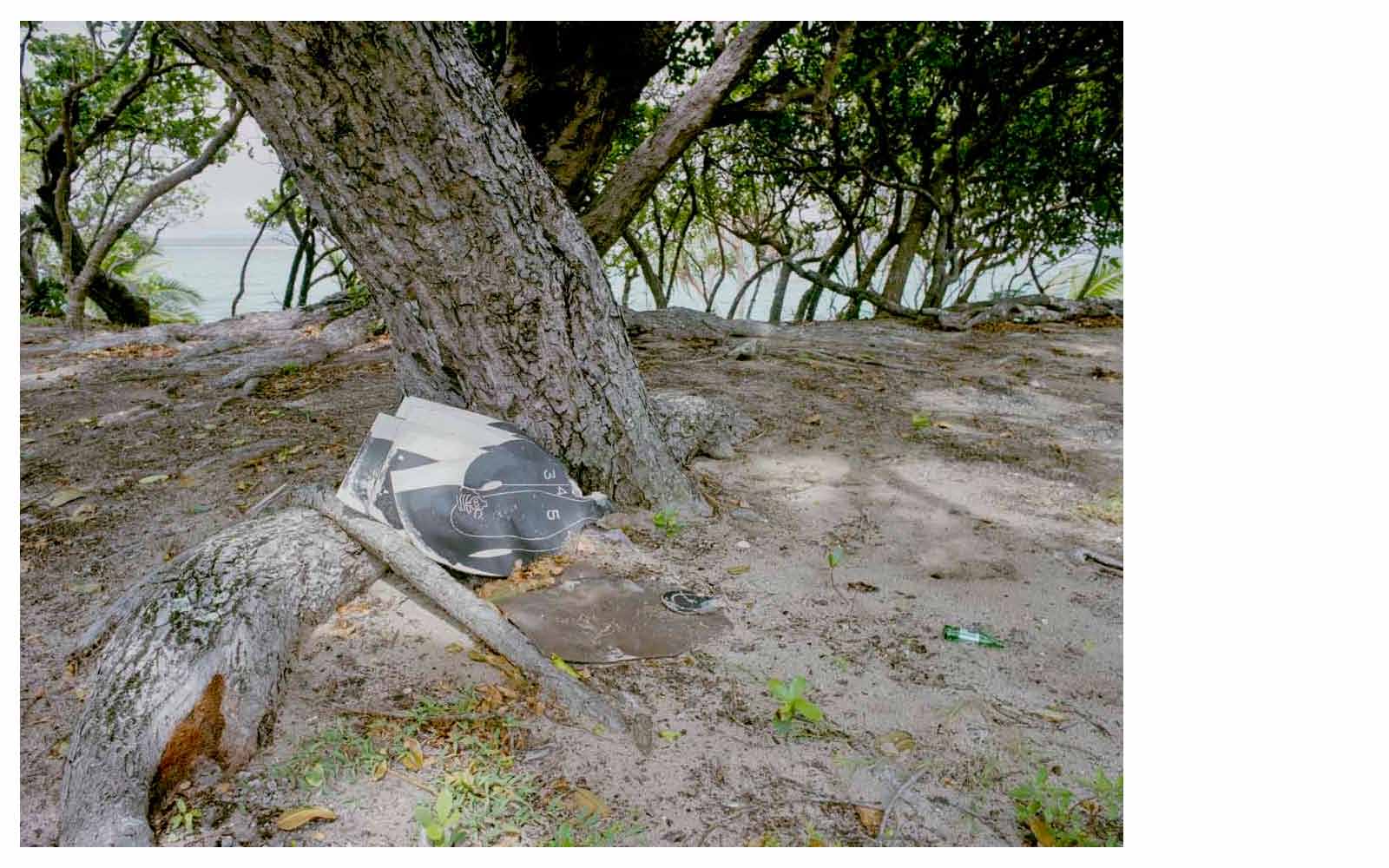
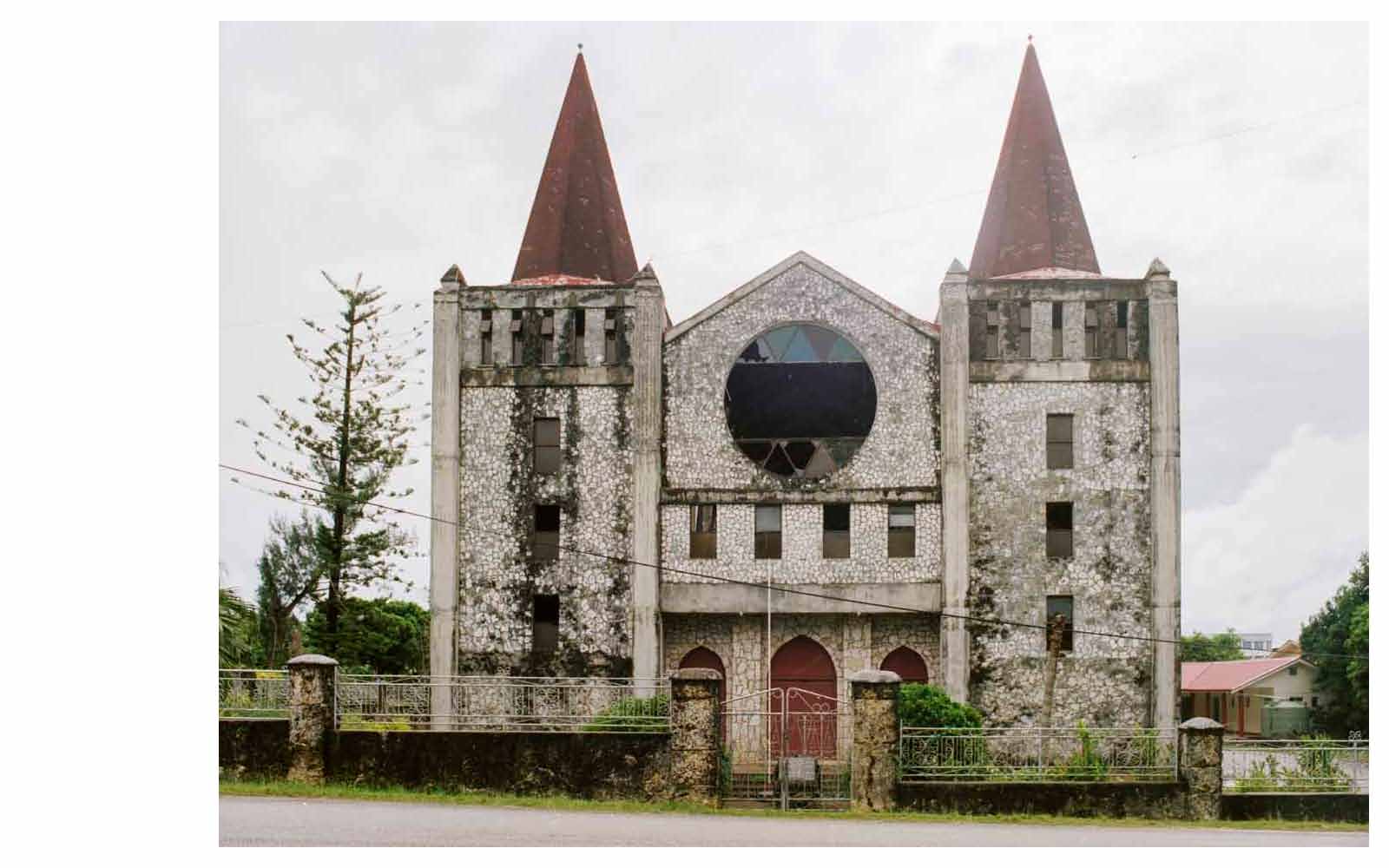
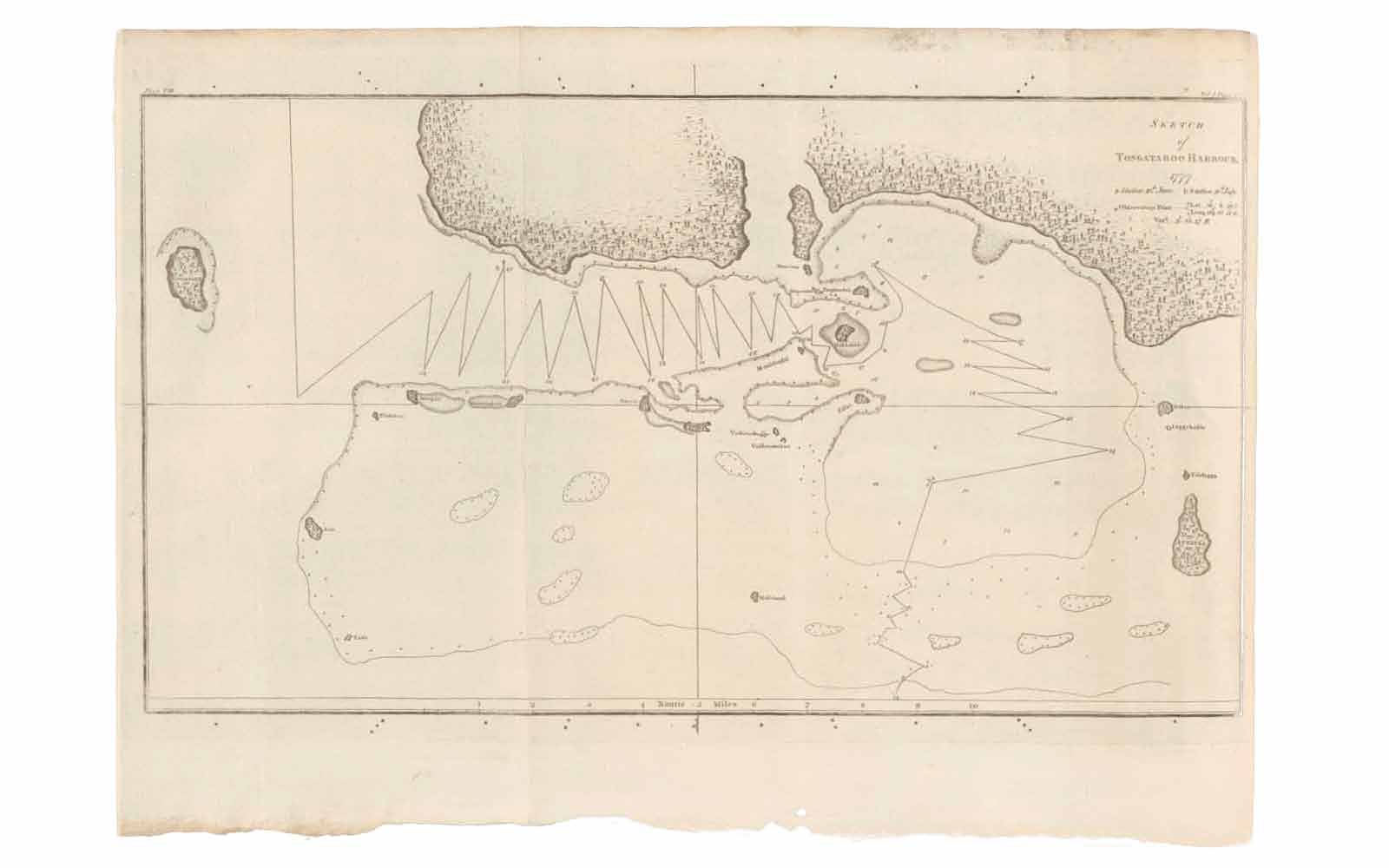
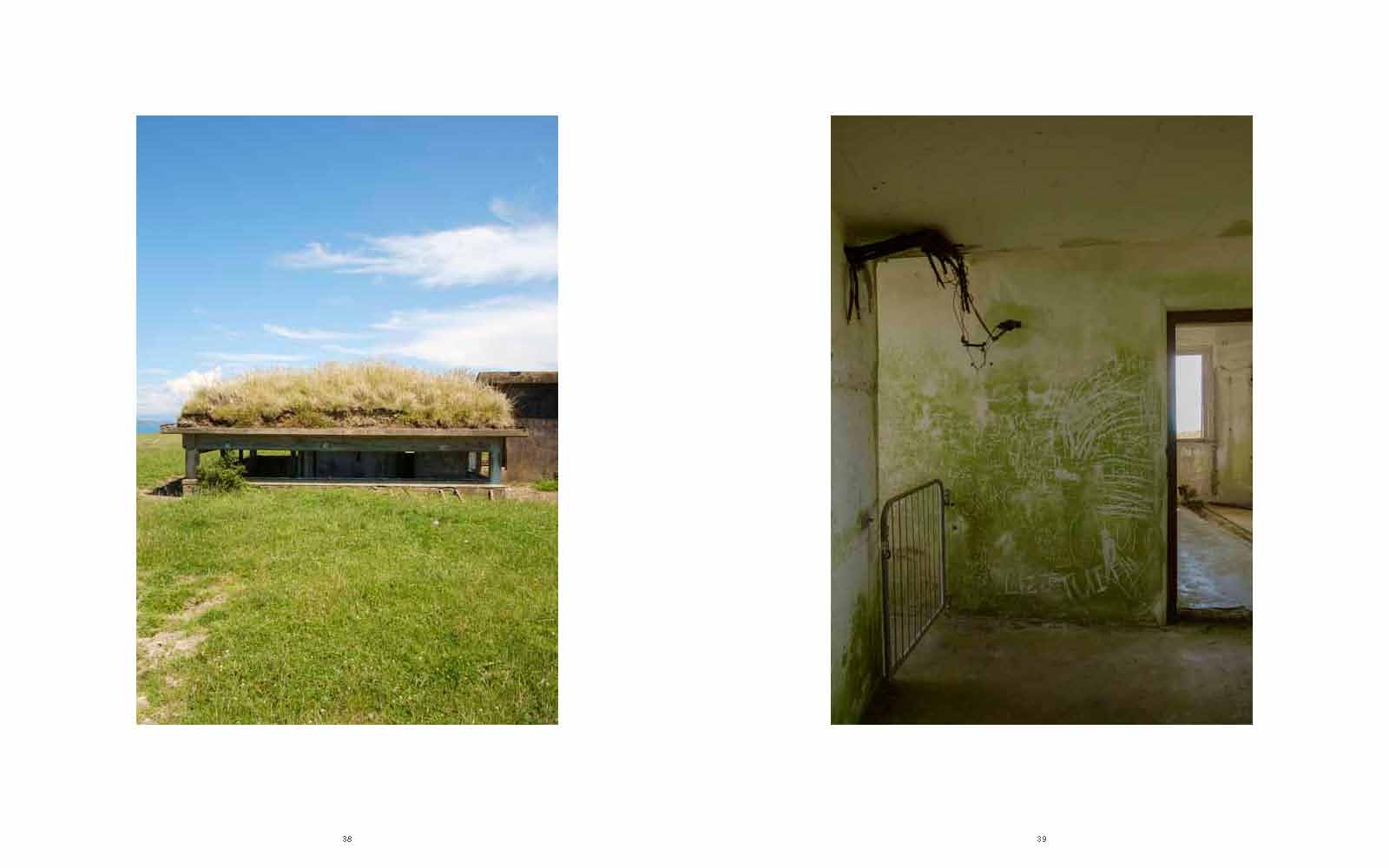
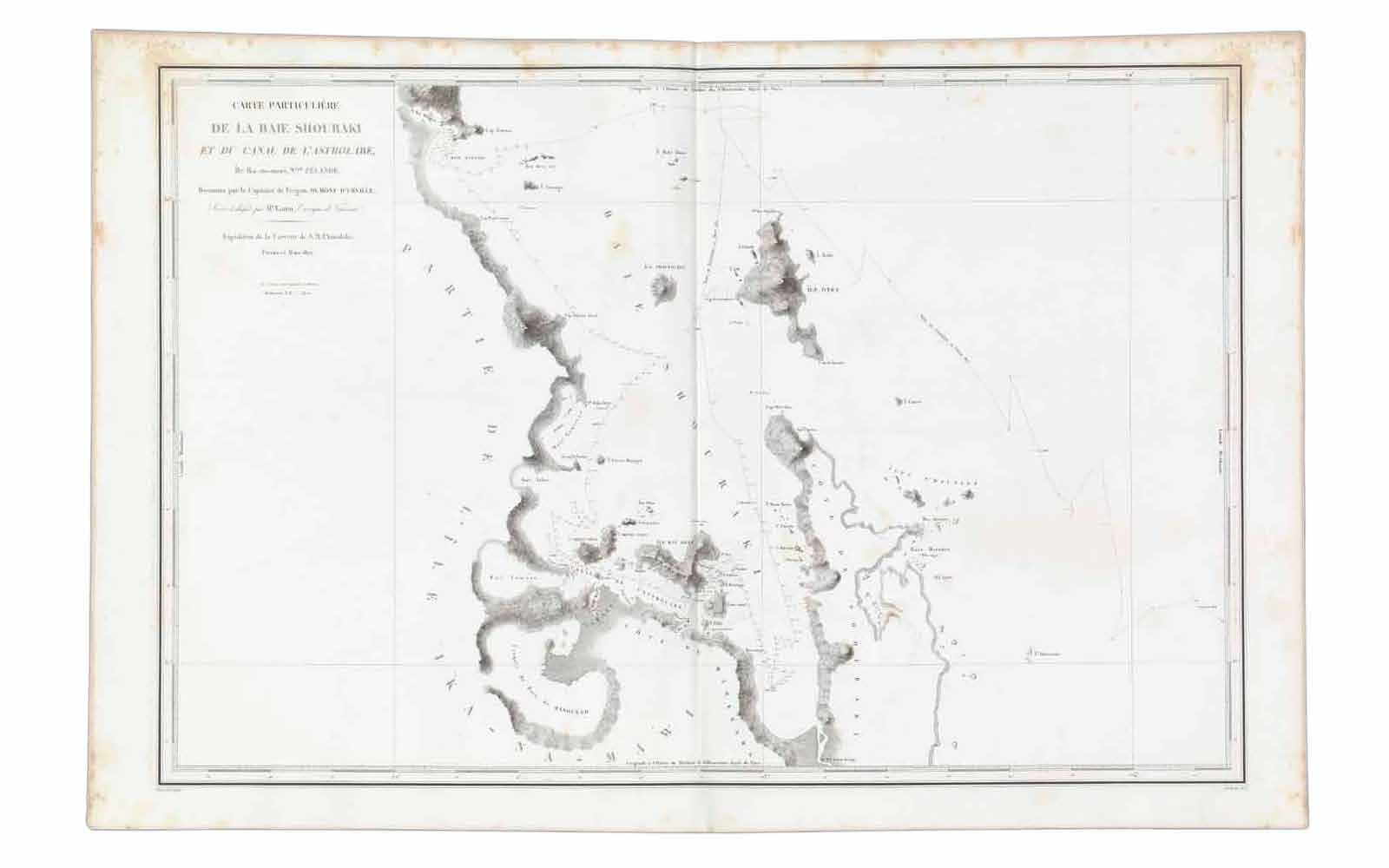
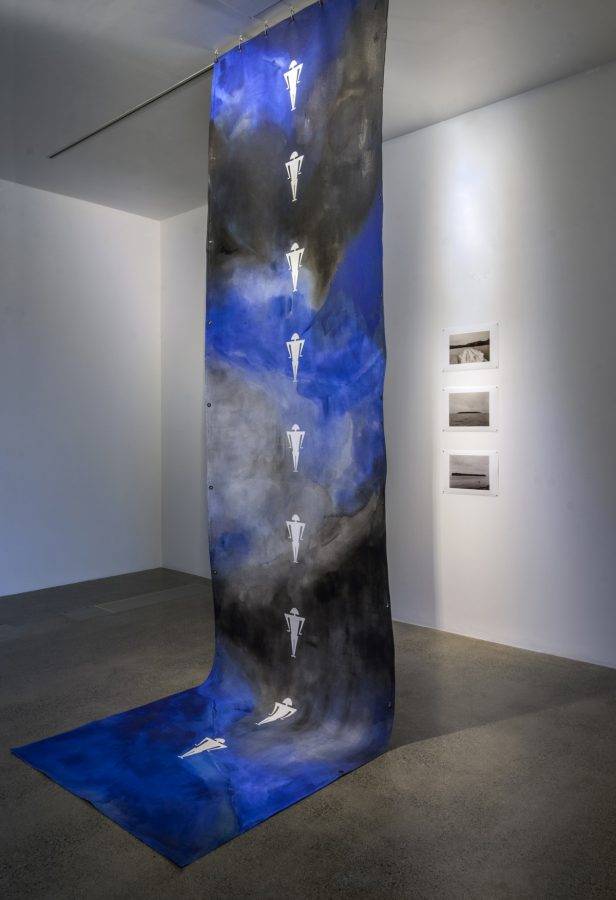
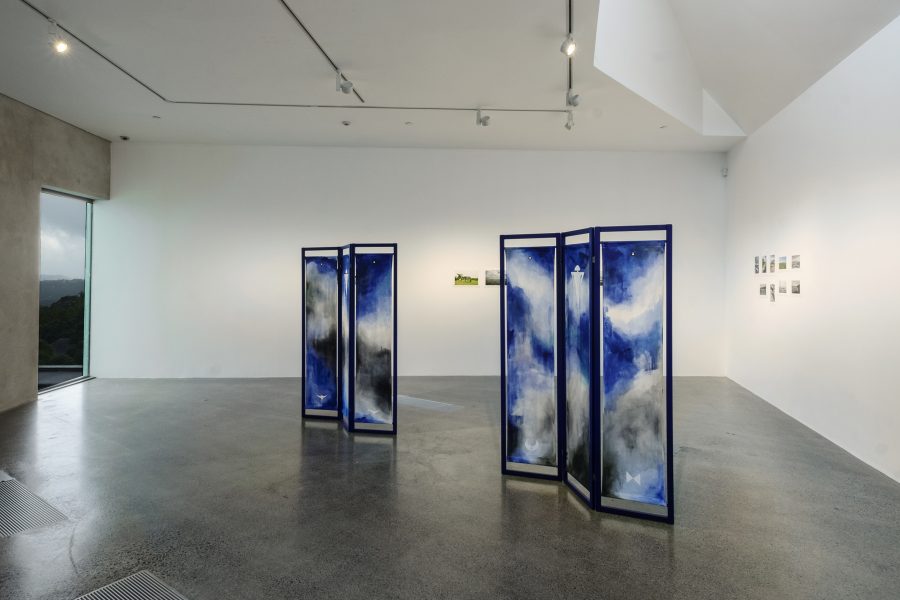
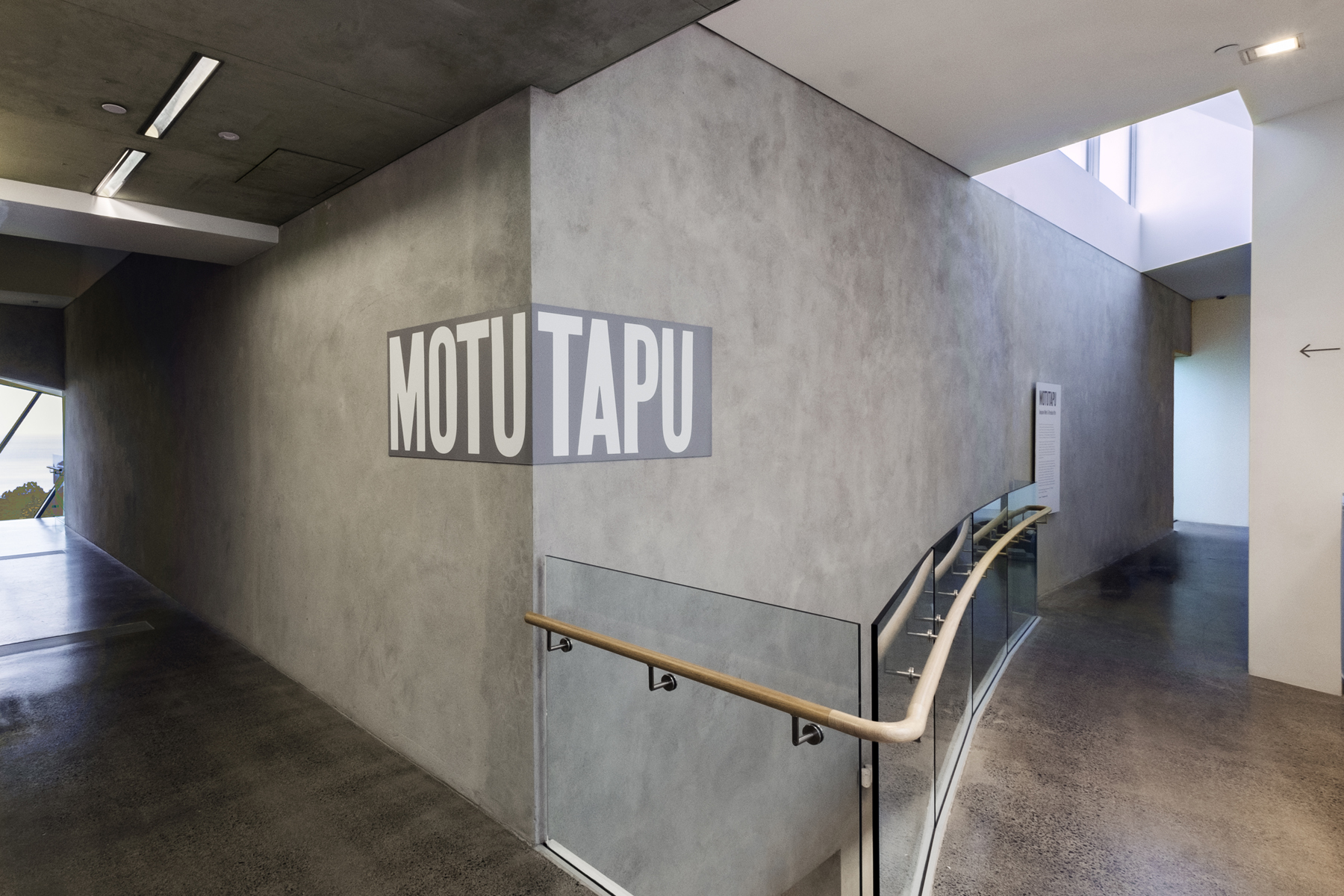
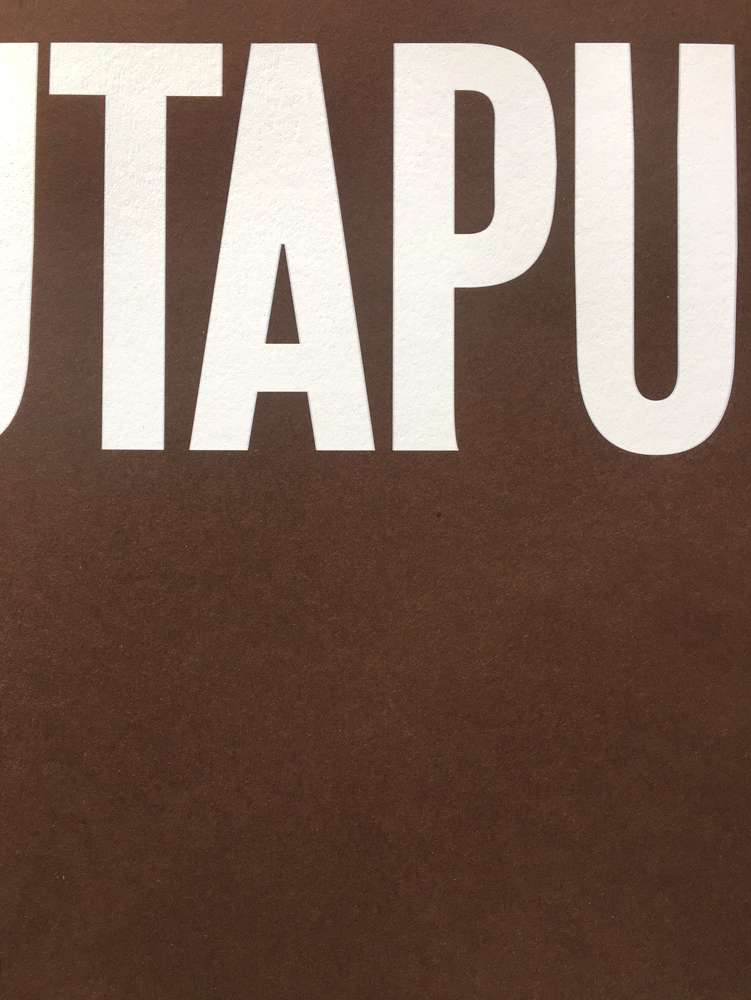
Presented as an exhibition at Te Uru and as this publication, MOTUTAPU is the conclusion of a four-year journey by artist Benjamin Work and photographer Brendan Kitto. This project looks at the shared history of Motutapu (sacred island) throughout Moana Oceania – including Tongatapu, Rarotonga and at the entrance to the Waitematā Harbour here in Tāmaki Makaurau. Motutapu is a place of sanctuary. Positioned at the entrance of great harbours, straddling the open ocean and the mainland, it serves as a gateway for navigators arriving and departing on voyages. The lifting of tapu and making things noa took place on Motutapu, allowing navigators to continue with their journey back to their closest kāinga, even if it was generations later.
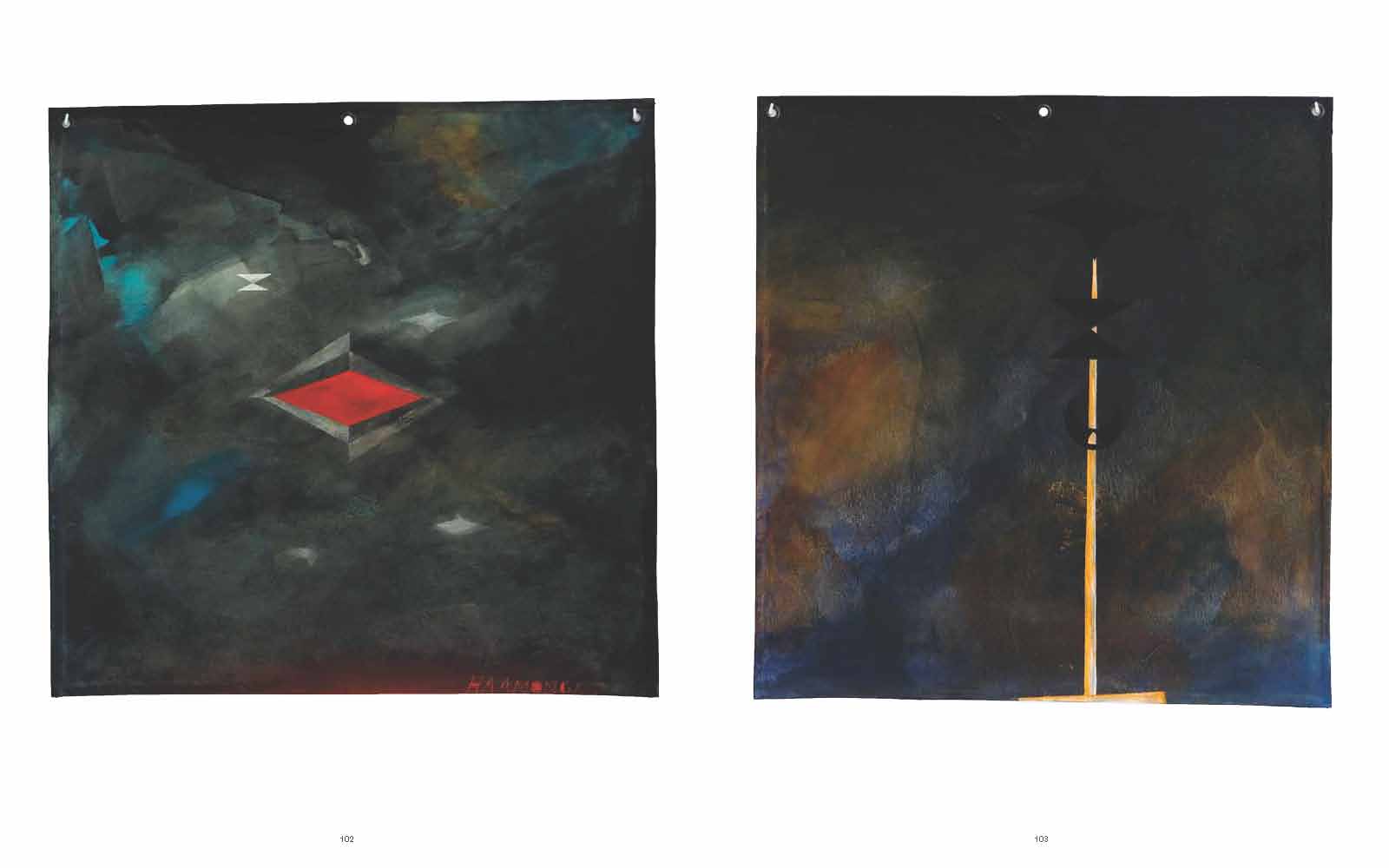
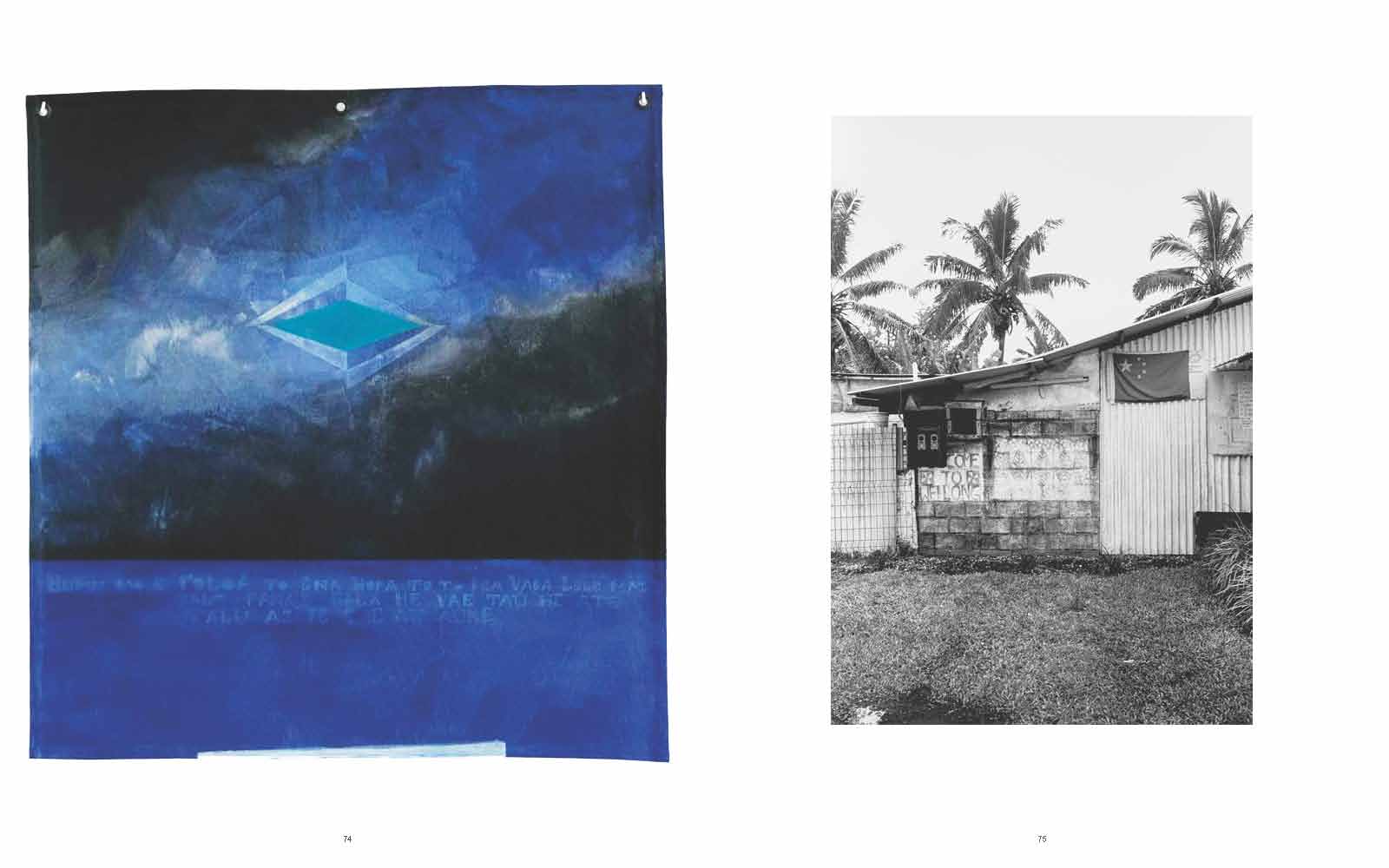
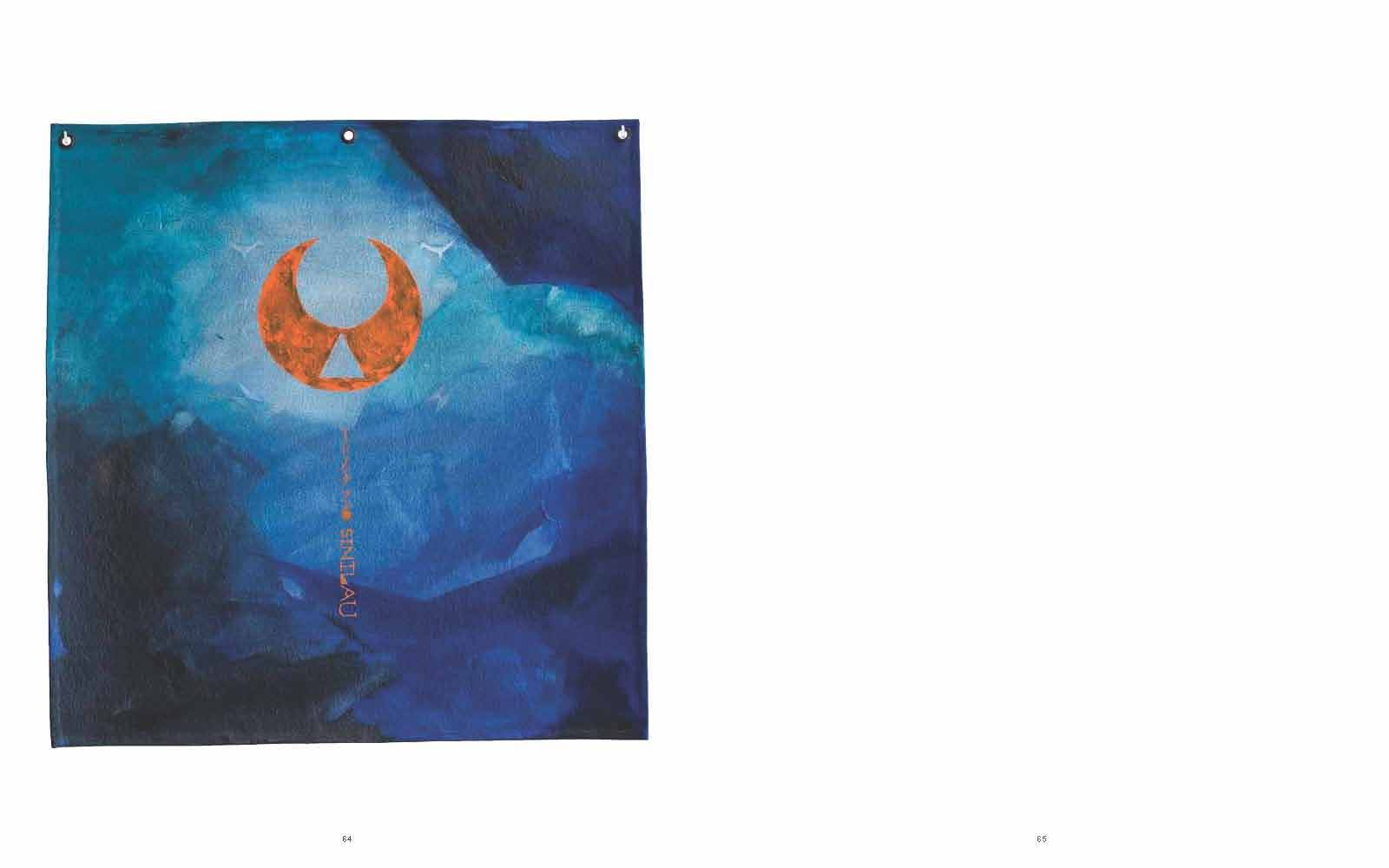
Work and Kitto’s inquiry into Motutapu was initially centred around the shared name. What soon became apparent was a deeper connection to their own hohoko/ʻakapapa (genealogy) as they travelled to three of the Motutapu locations and connected with key knowledge holders. Motutapu has become a metaphor for Work and Kitto as a starting point for these personal journeys. Through Work’s paintings and Kitto’s photographs of their journeys, combined with the introductions to the three Motutapu locations by Pita Turei, Paul Johansson and Stan Wolfgramm the book offers, for the extended diaspora of Moana Oceania, a way for reconnection and reconciliation and as a reminder of what joins communities across time and space.
“Motutapu reminds me of the Tongan practice of Tauhi vā (to nurture or maintain relational space), as a metaphor of this sacred in-between space, an island straddled between the deep moana and the fonua of the mainland . . . When Brendan and I first embarked on this journey we were unaware of where this would lead us, but we now know this was a journey of restoration, healing and connection – to moana, fonua and ultimately with ‘Otua.”
Benjamin Work
“. . . Pita Turei, Paul Johansson and Stan Wolfgramm, who generously offered to guide interactions with each island, . . . The stories imparted by each knowledge-holder were offered through worldviews that leave space for multiplicities of knowledge, championing shared understandings that centre the question ‘What do you know it to mean?’. Their collective research offers an appreciation of three locations that have immense importance personally, while respectfully leaving space for others to tell their stories of these lands.”
Motutapu: Benjamin Work & Brendan Kitto Book Launch, 2pm 6th August 2022, Te Uru.
The exhibition MOTUTAPU, at Te Uru Waitakere Contemporary Gallery (11 June – 11 September 2022) will be completed by the launch of the book of the same title by Benjamin and Brendan, at 2pm, 6th of August at Te Uru, 420 Titirangi Road. All invited.
Motutapu: Benjamin Work and Brendan Kitto. With foreword by Zoe Black, essays by Pita Turei, Paul Johansson, Stan Wolfgramm and the artists. 176pp soft cover, 203mm x 254mm portrait, designed by Shaun Naufahu and Giordano Zatta and published by Rim Books. Limited first edition of 250 copies.
DYNAMO HUM Denys Watkins Foreword by Matt Blomeley Essays by Anna Miles and Francis McWhannell Conversation with Allan Smith and Denys Watkins
Published by Rim Books in association with Bath Street Arts Trust Design by Index – Jonty Valentine
DYNAMO HUM is an artist book by Denys Watkins, featuring paintings made between 2004 and 2016.
Watkins is one of Aotearoa New Zealand’s most respected contemporary artists. After thirty-one years teaching at Elam School of Fine Arts, he left in 2011 to pursue a full-time studio practice. With Dynamo Hum, he turns his multifaceted interests toward the book as an … Continue reading →






 Presented as an