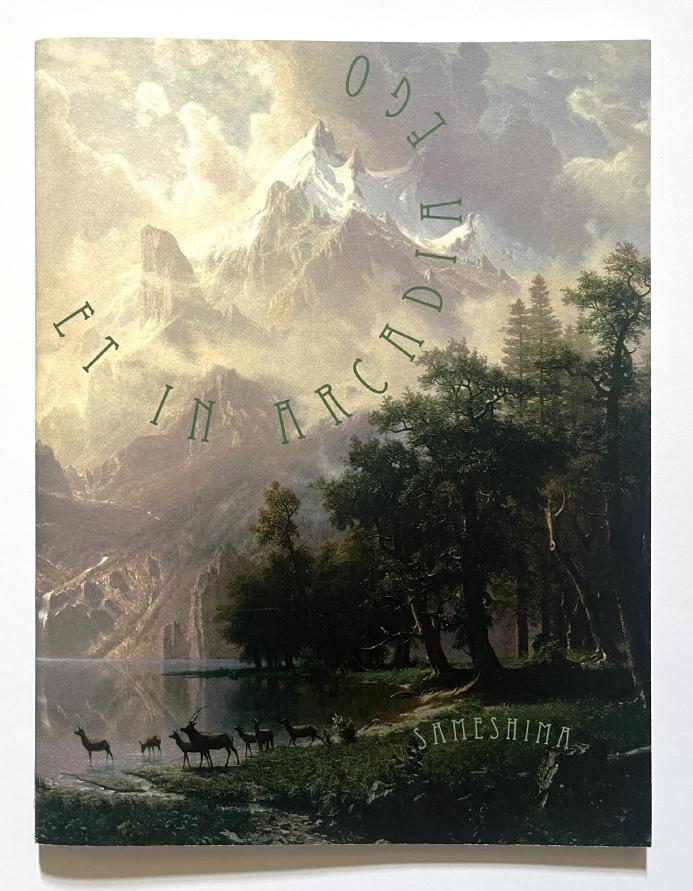
The original edition was produced in 2015 for Open Book, an exhibition curated by Shelly Jacobson at RM Gallery. Only eight copies were made.
Ten years later, long out of print, the book still feels current given recent geopolitical and climate events. The images haven’t been revised. If anything, the world around them has shifted—or come into sharper focus. What once seemed distant now reads more directly. The same conditions persist: conflict, spectacle, excess. All still there, just harder to look past.
The photographs were made over two decades (1992–2013), largely during overseas travel. They move through art museums, tourist sites, and shopping destinations—spaces of display and controlled encounter. Ruins, paintings of war, natural history museum dioramas, the Paris catacombs and scenes of retail excess sit alongside staged grandeur of Caesars Palace. A couple of images made in Aotearoa New Zealand and a selection of public-domain artworks are folded into the sequence.
The title, Et In Arcadia Ego, points to the classical reminder that death is present even in paradise. There is no single subject, only an accumulation: images of images, histories already framed, realities already mediated.
Original publication date 2015, reissued May 2025 Softcover | singer sewn | 44 pages Second printing 100 copies
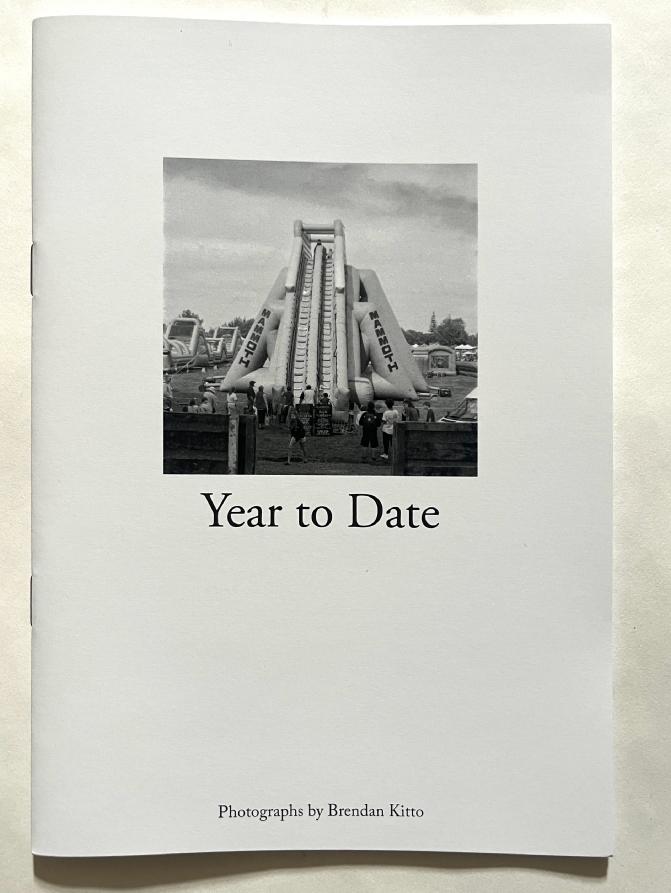
A compilation of 12 black and white photographs from Brendan’s walking and road trip journeys. From January to July 2025.
Brendan has been photographing in the Whanganui / Manuwatu and lower North Island area since he moved back to live in Whanganui in the 2020’s.
He was the A Gallery, 85 Glasgow artist in residence during October 2020.
“I took this opportunity to reconnect to the place I lived during the early to mid 1990’s. Most of that time was spent between Spriggens Park where my Father was manager of the Marist U21 and senior team and checking the North Mole to see if it was calm enough to cross so we could take the boat out. I wanted to return and explore my childhood memories of places and document the change………if any.”
This Zine is an update of his ongoing journey – photographs from the first half of the 2025. His gentle and steady assured photographic chronicling of a place in time.
.
Publication date: August 2025 Softcover | A5 Zine | 28 pages Edition of 30
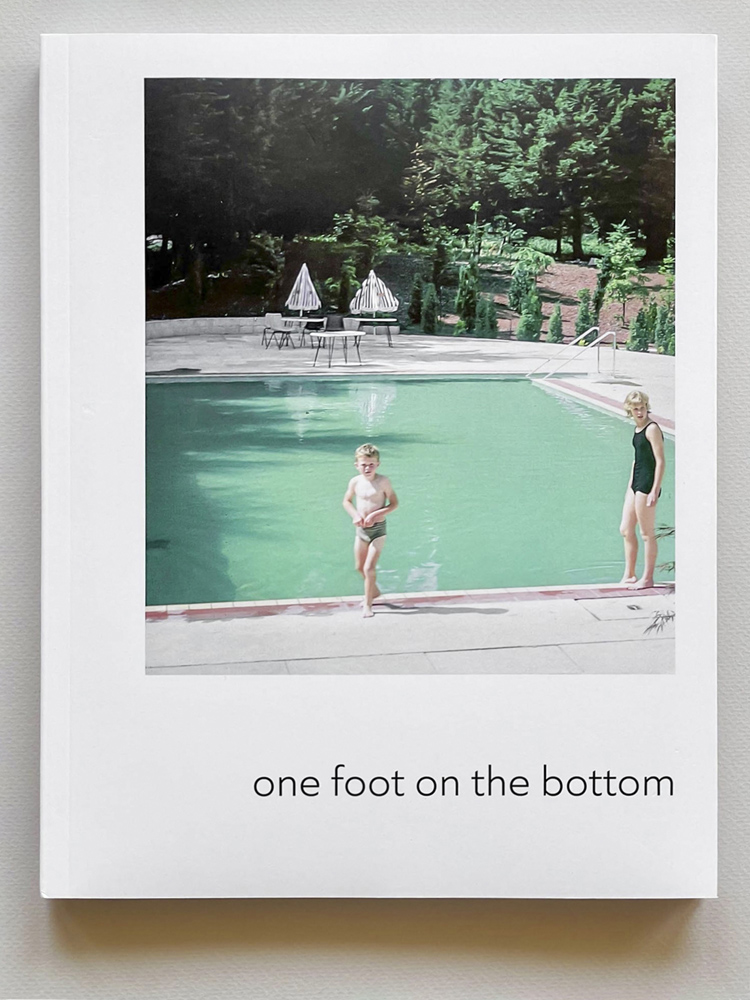
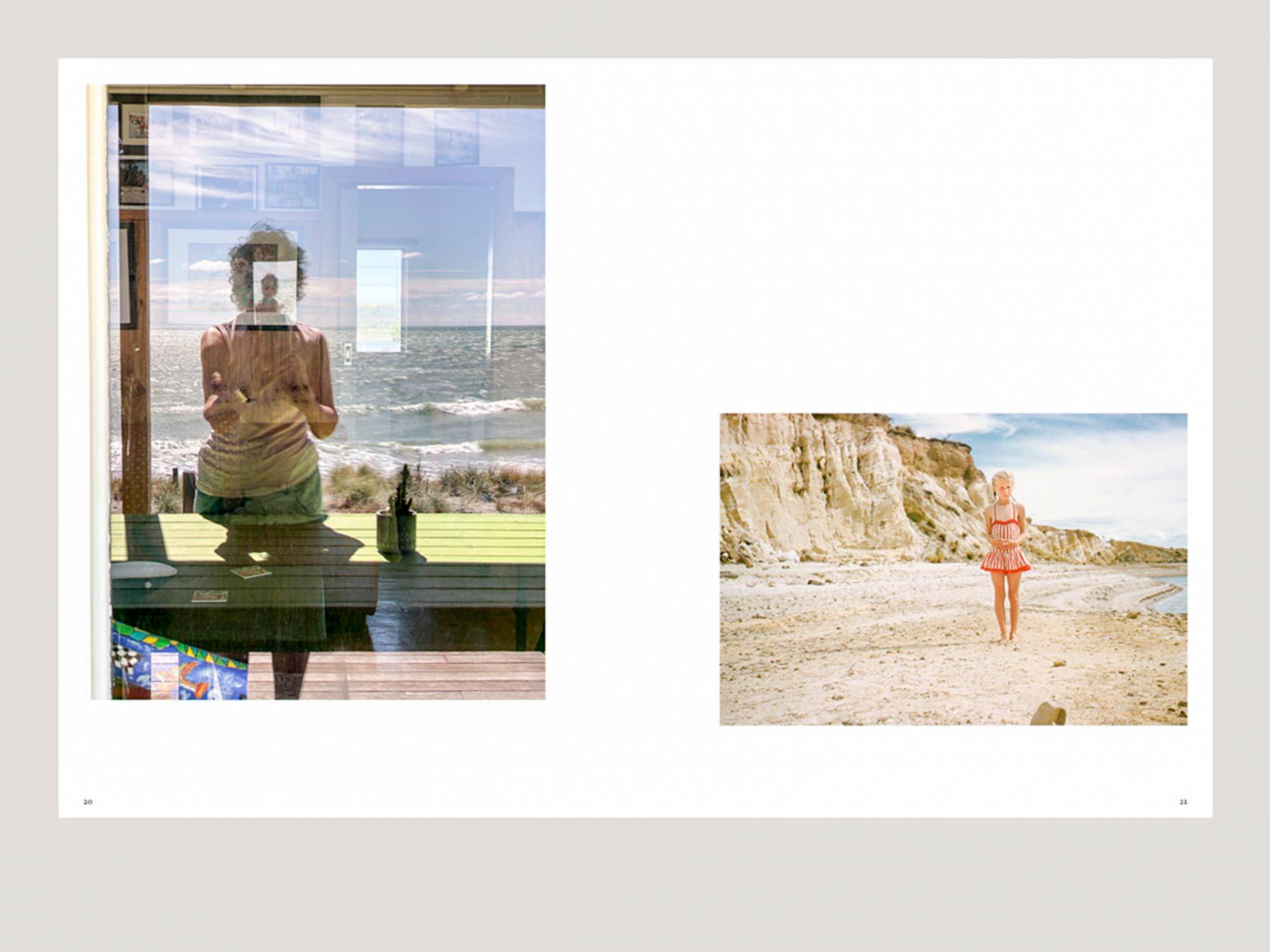
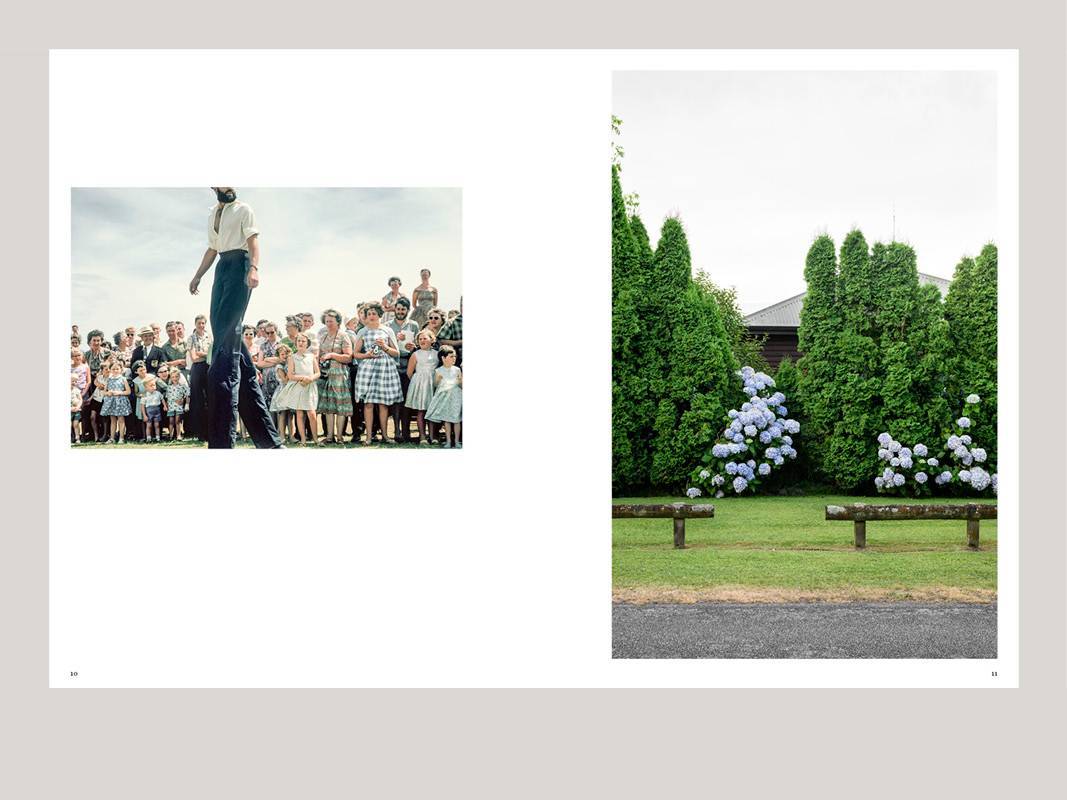
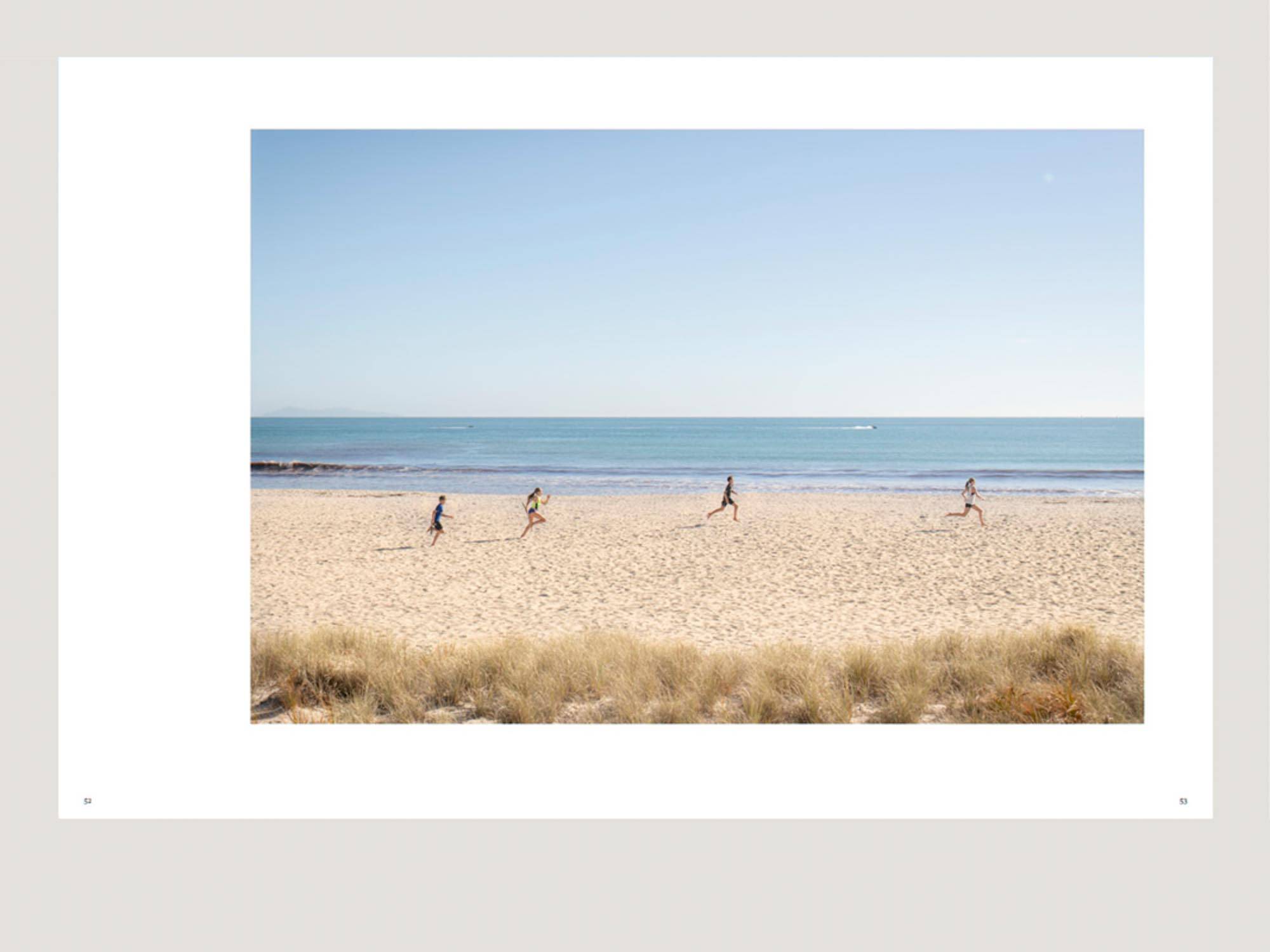
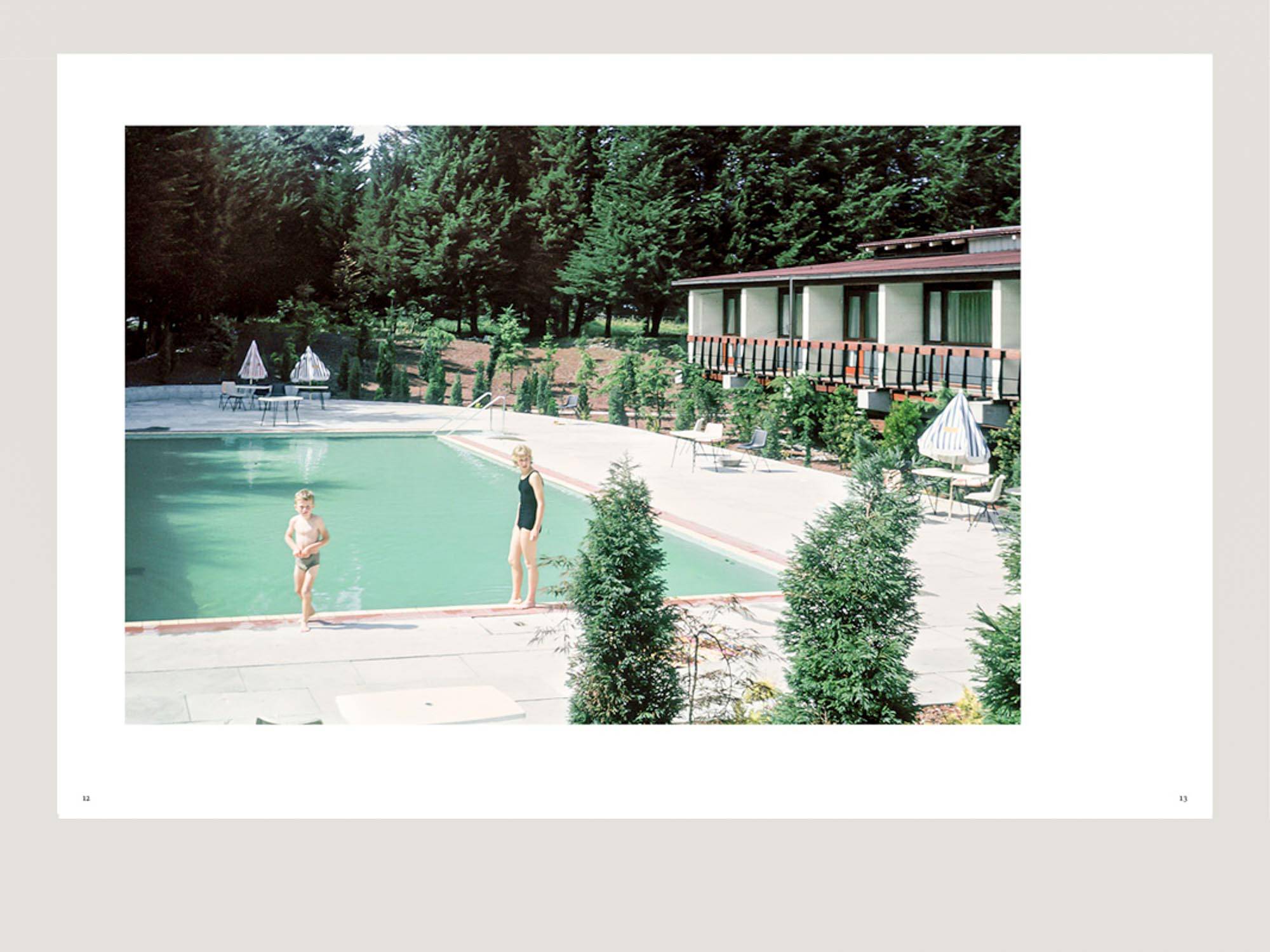
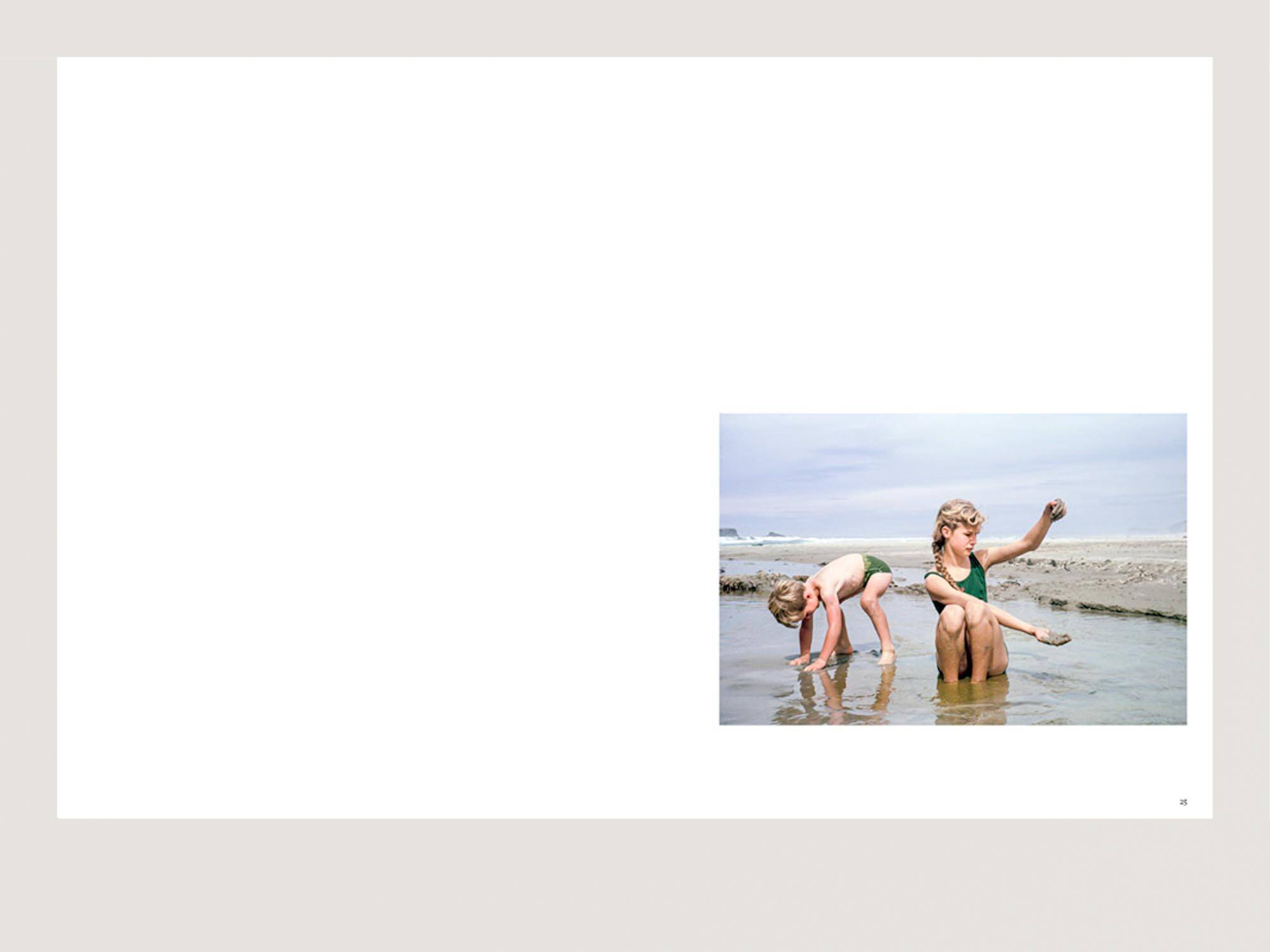
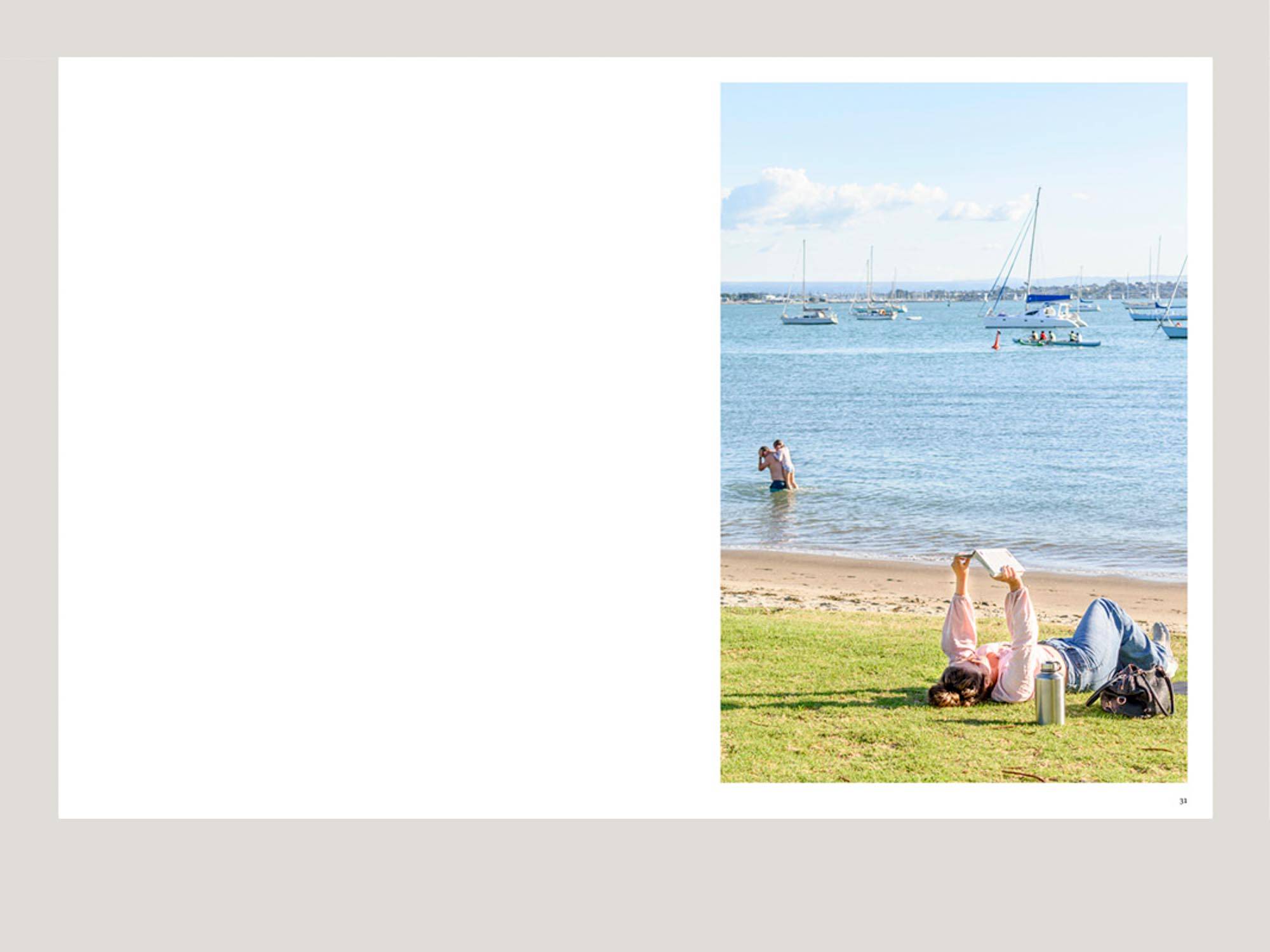
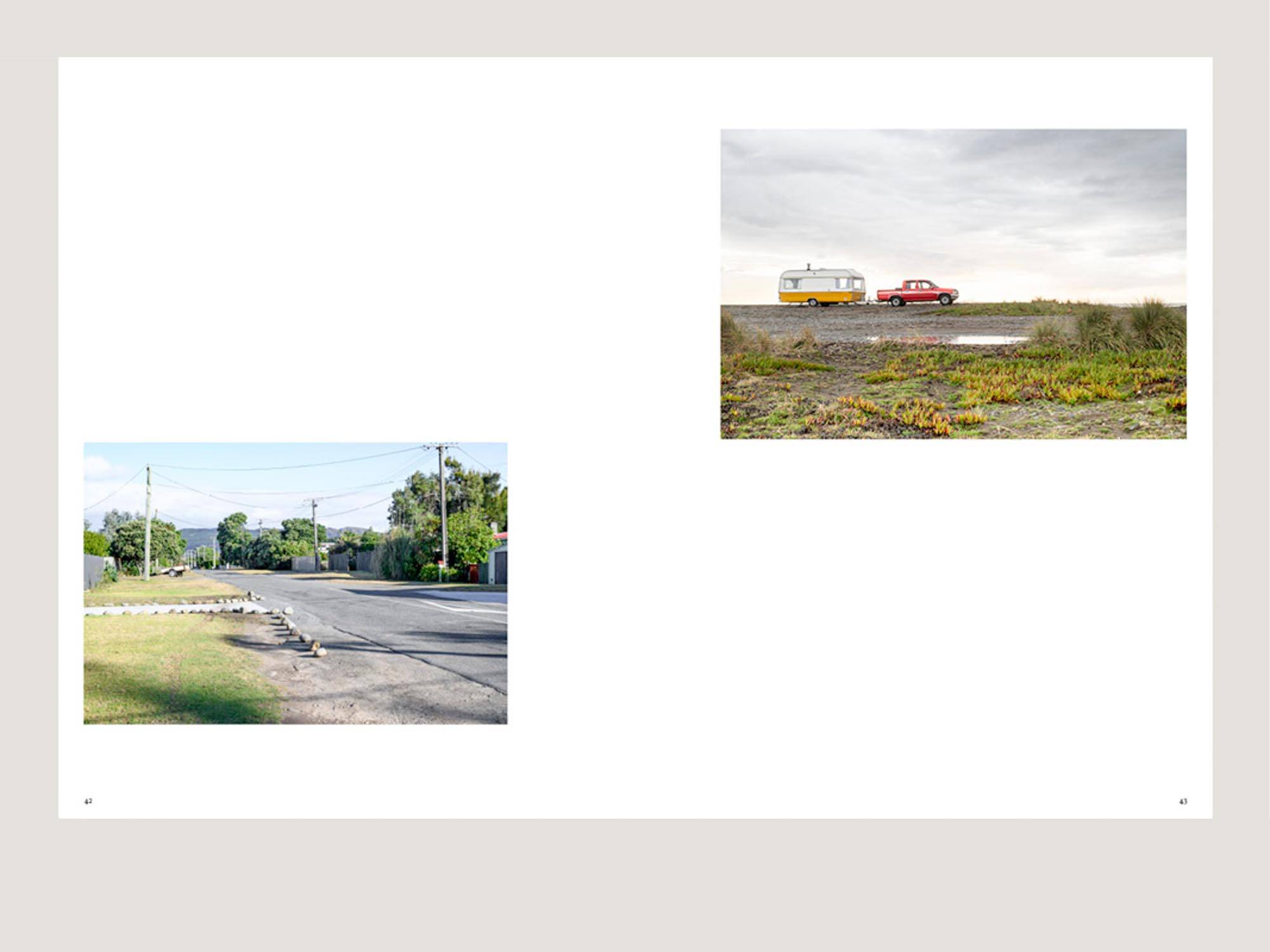
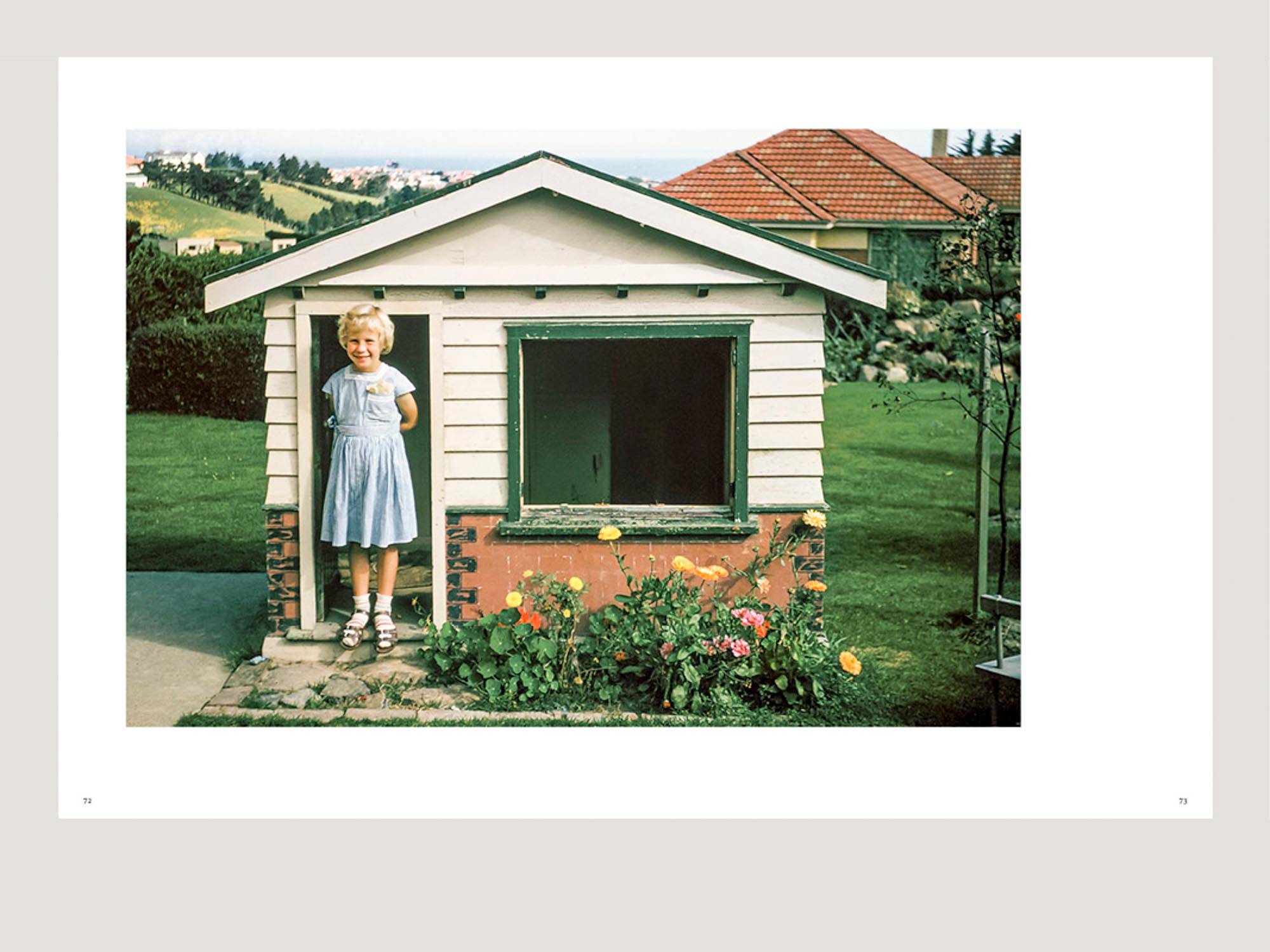
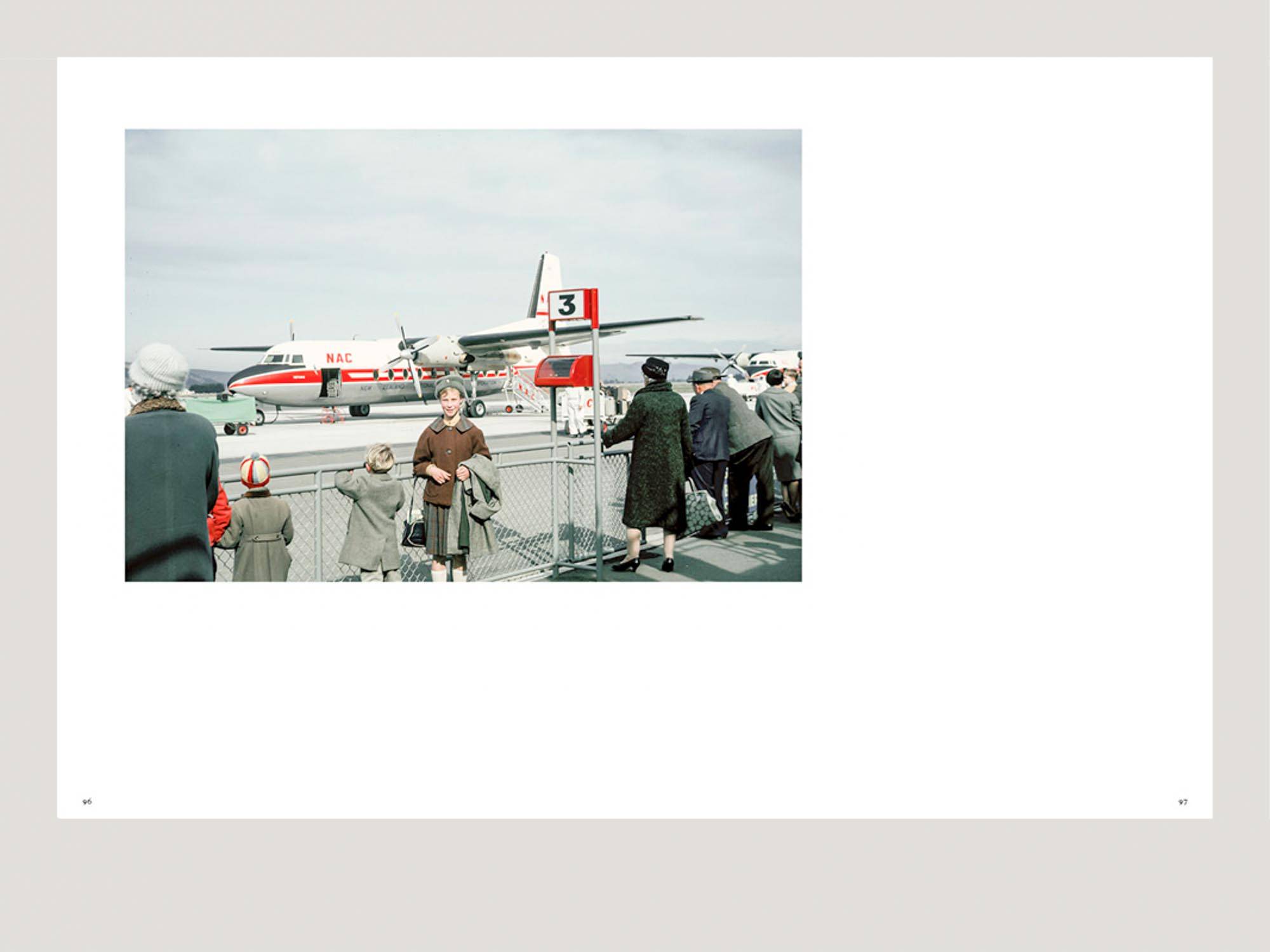
one foot on the bottom is about childhood or the space that childhood once occupied. Using family Kodachrome slides from the 1950s and ’60s taken by her late mother Evelyn, and her contemporary photographs, Mary Macpherson creates a portrait of family holidays by the beach, lake and river. The book is poetic and unexpected and placing the past with the present, so time folds in on itself. The result is an evocative representation of childhood, the power of photographs and our love of spending time by water throughout Aotearoa/New Zealand. The book includes a lyrical essay by Mary.
Artist/writer Gregory O’Brien recently wrote about one foot on the bottom:
‘A kind of child-like intensity and wonder characterises much of the best photography, as it does poetry. Yet there is also a sense of care, nurture and an understated delight in one foot on the bottom which could be described as ‘parental’. Mary Macpherson and her mother Evelyn survey their subjects carefully, thoughtfully and tenderly. Family is the coastline along which their camera travels, looking towards or away from the ever-recurring sea.
Evelyn Macpherson’s photographs anticipate her daughter’s – a whispered conversation in the brightness and clarity of a shared world. At the same time, Mary’s photographs carry her mother’s inside them–not as reflections, precisely, but as a lingering music. Where did summer go? How did that summer end? As if a shadow that fell on a wall fifty years earlier might still be found on that wall. For all time. ‘
Mary Macpherson is a photographer and poet from Te Whanganui-a-Tara/Wellington. Engaging with concepts of identity, place and change, her practice responds to emotional and social transformation. She has exhibited nationally across the country, published limited edition photobooks and her work is in many public collections including Te Papa, the Dowse Art Museum, Te Whare o Rehua Sarjeant Gallery and others.
2026
ISBN: 978-1-0670943-0-0
112 pages 270x210x12 mm 54 photographs Softcover with flaps Section sewn, layflat binding Design Mary Macpherson and Katrina Duncan Editing Peter Black and Mary Macpherson
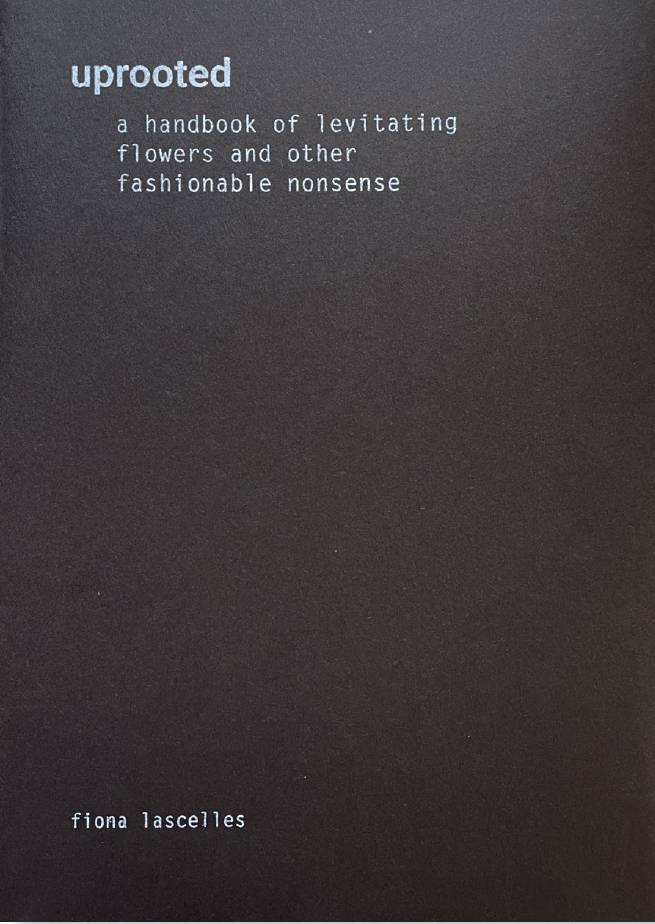
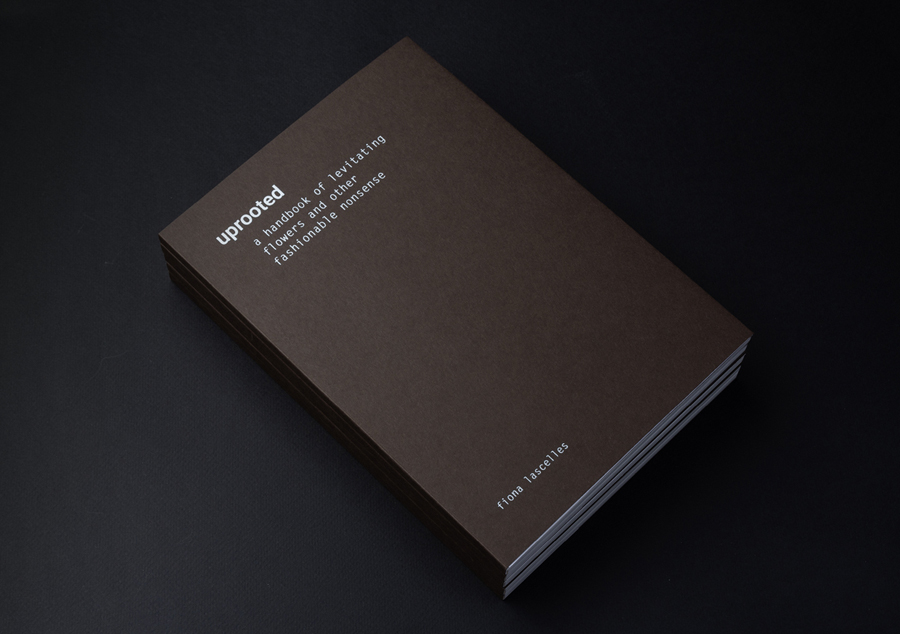
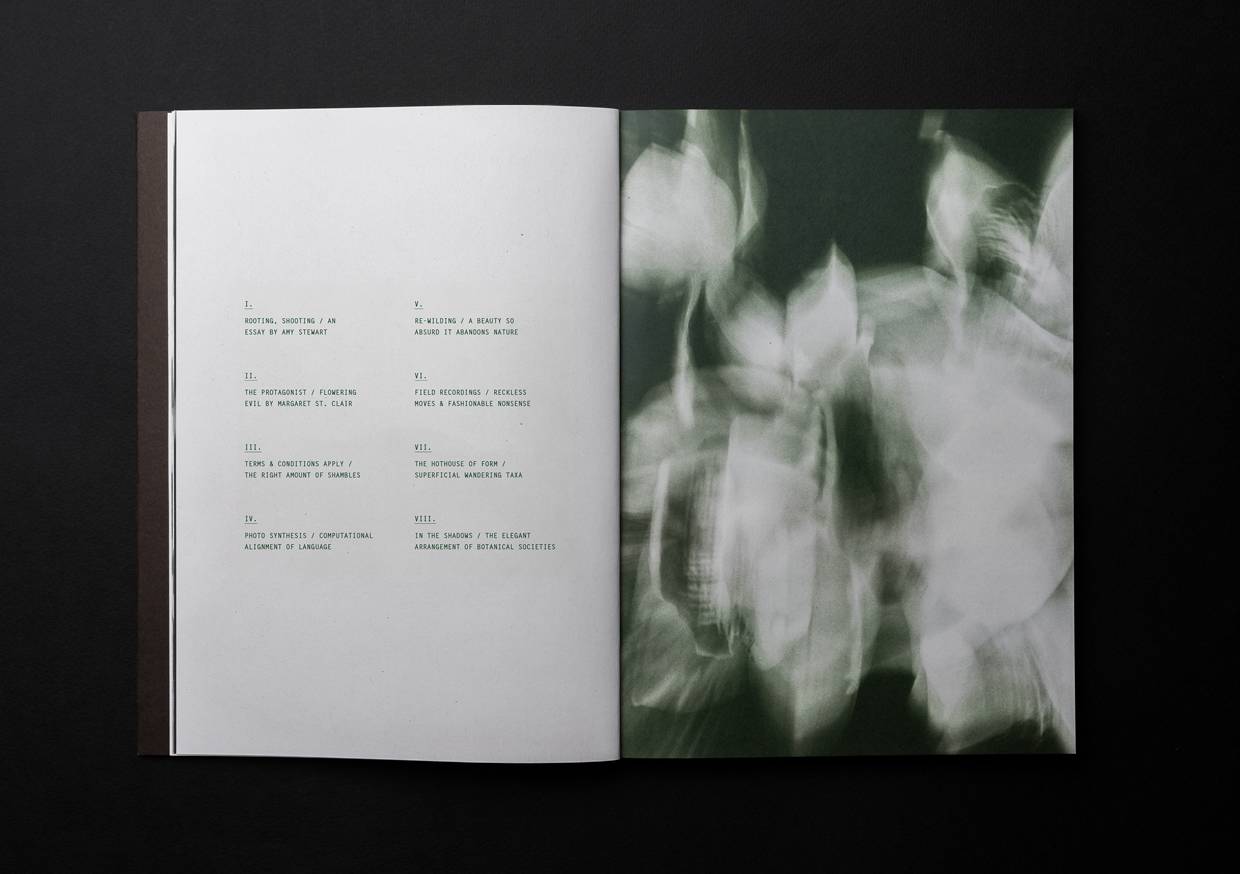
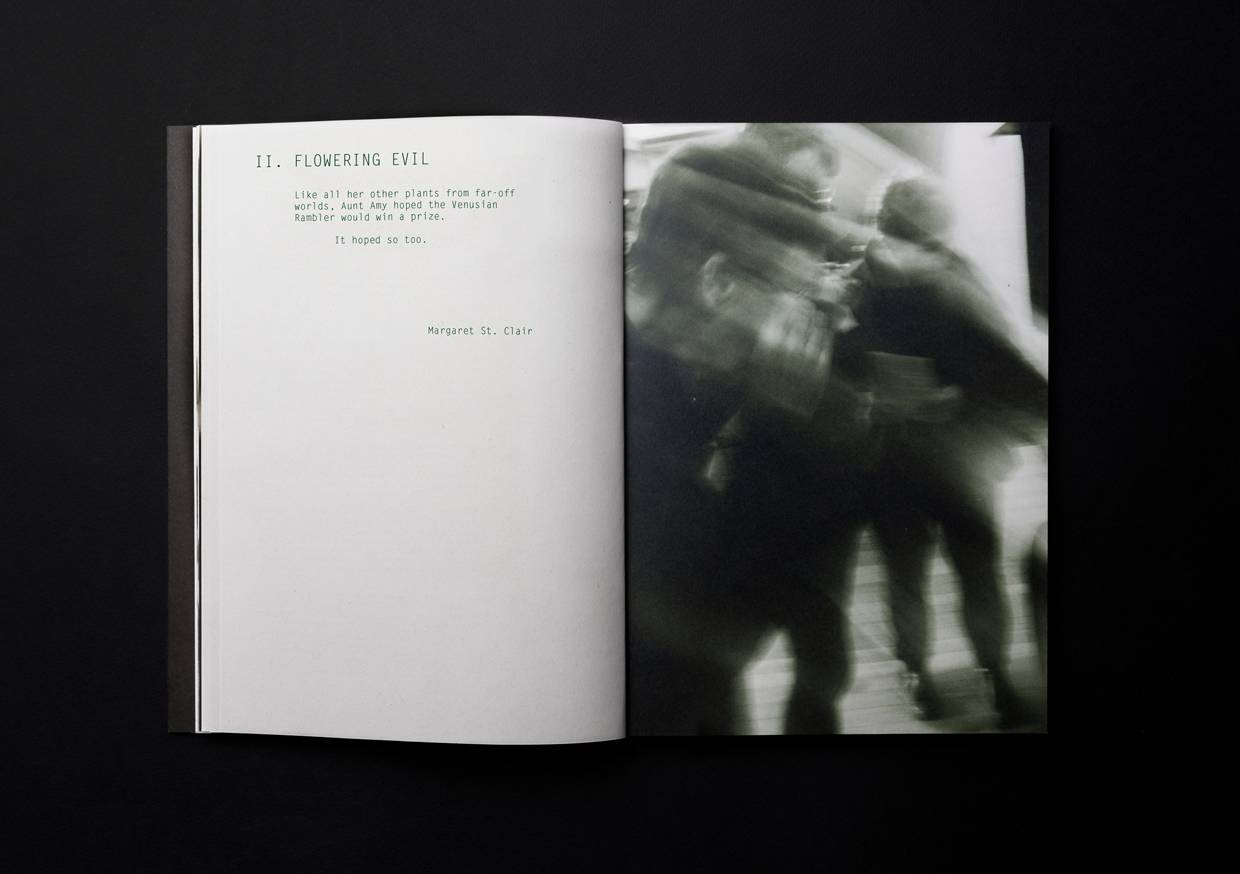
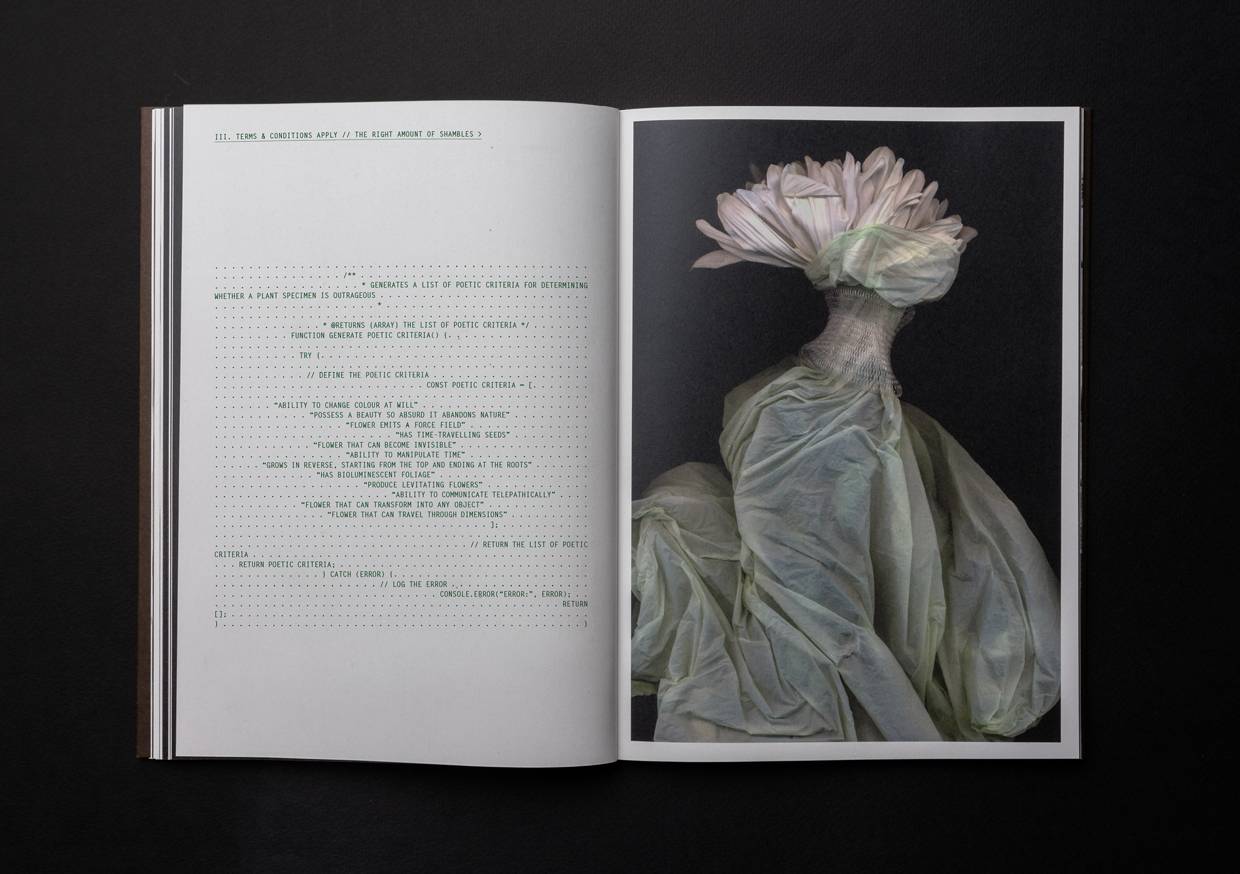
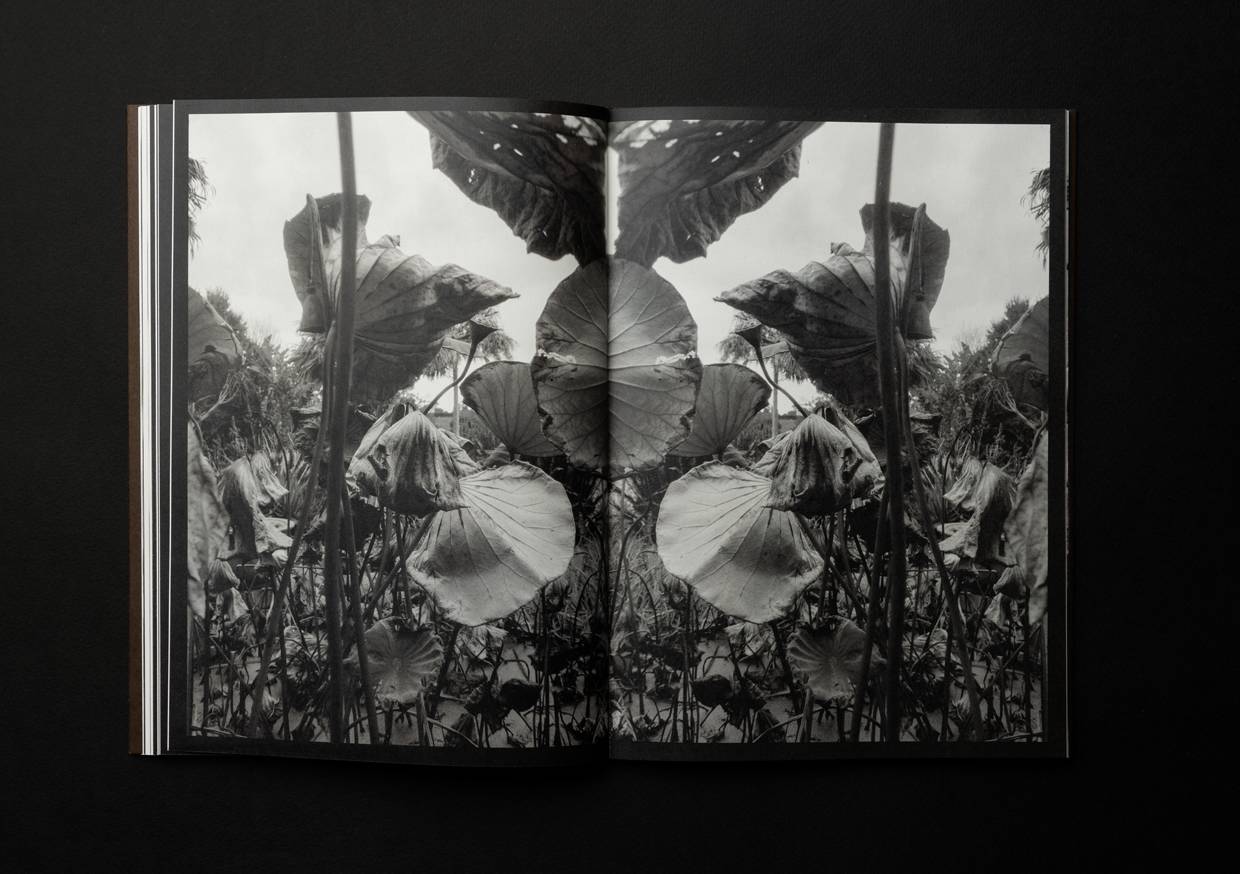
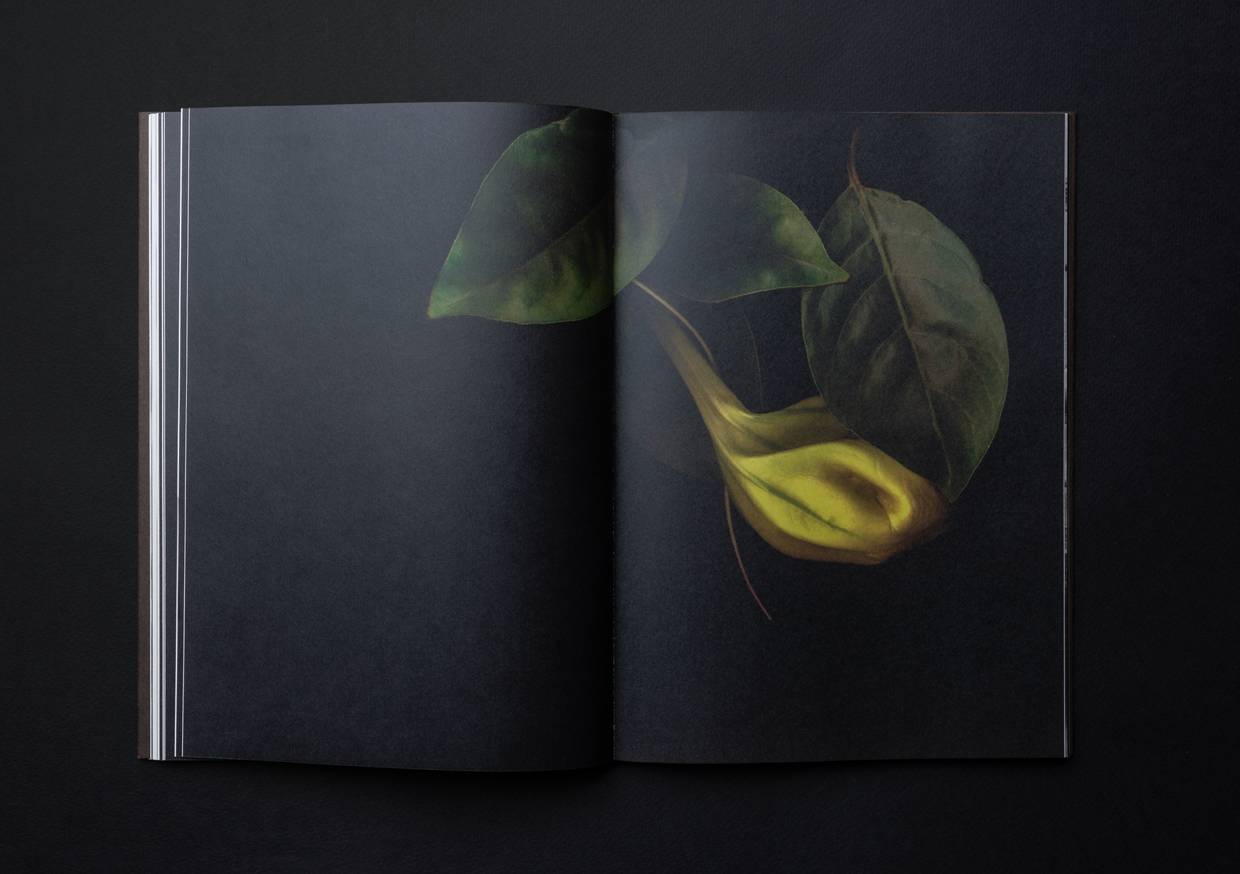
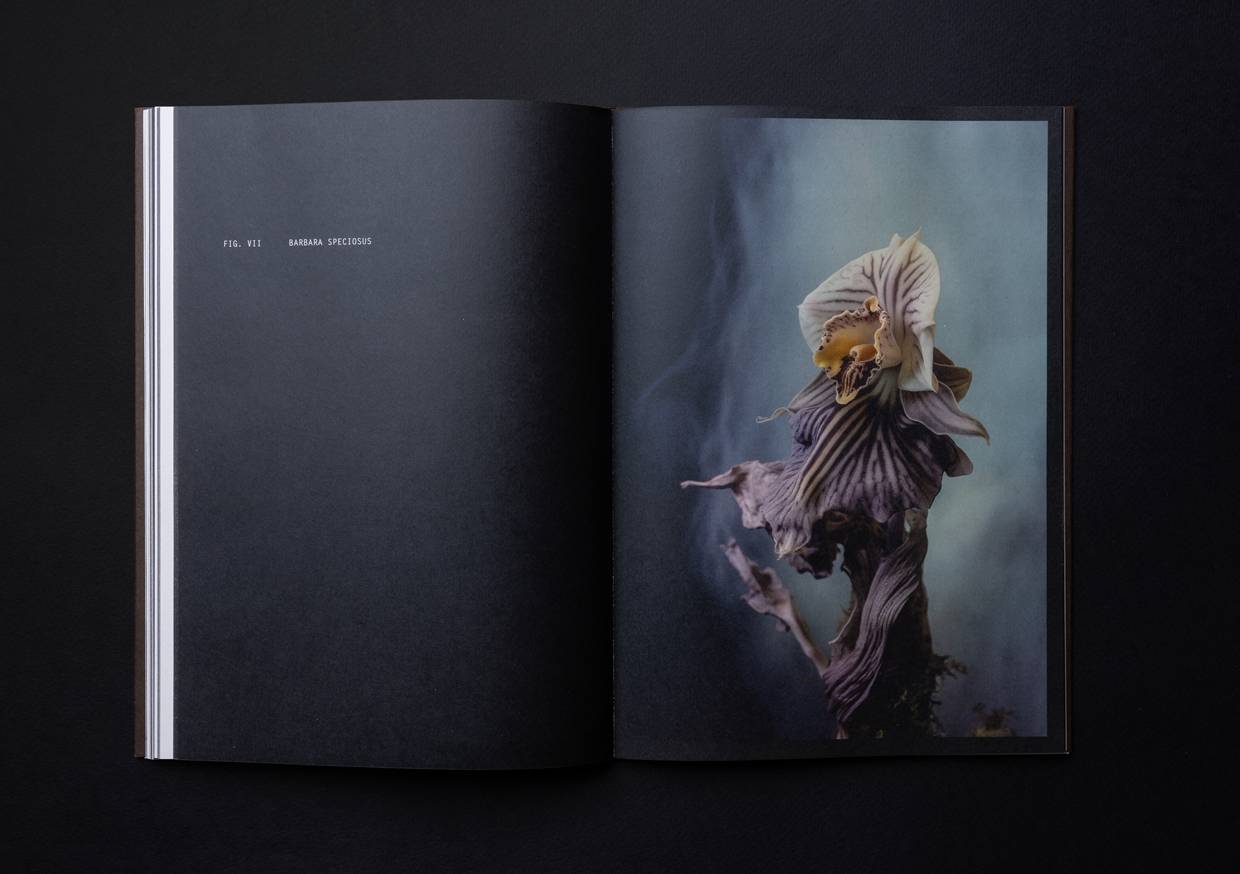
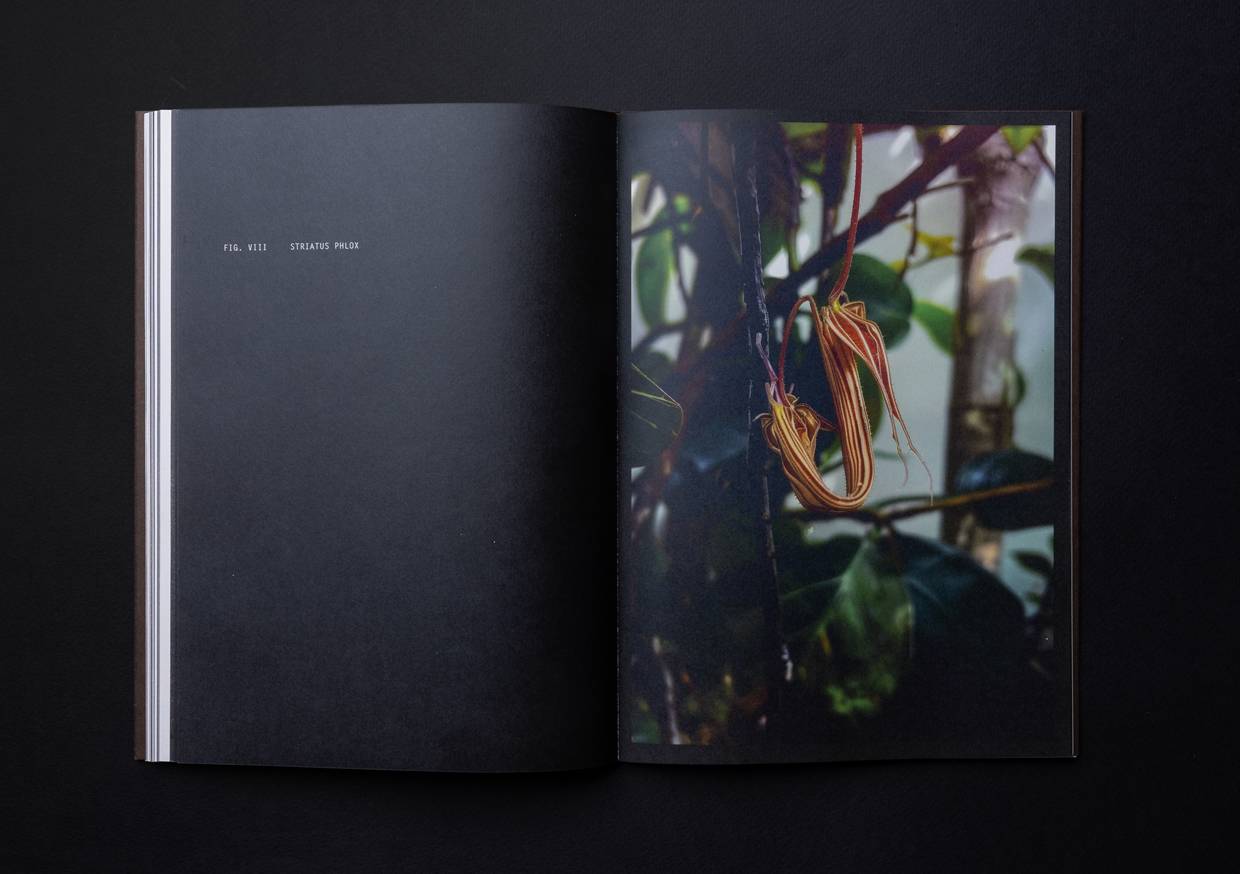
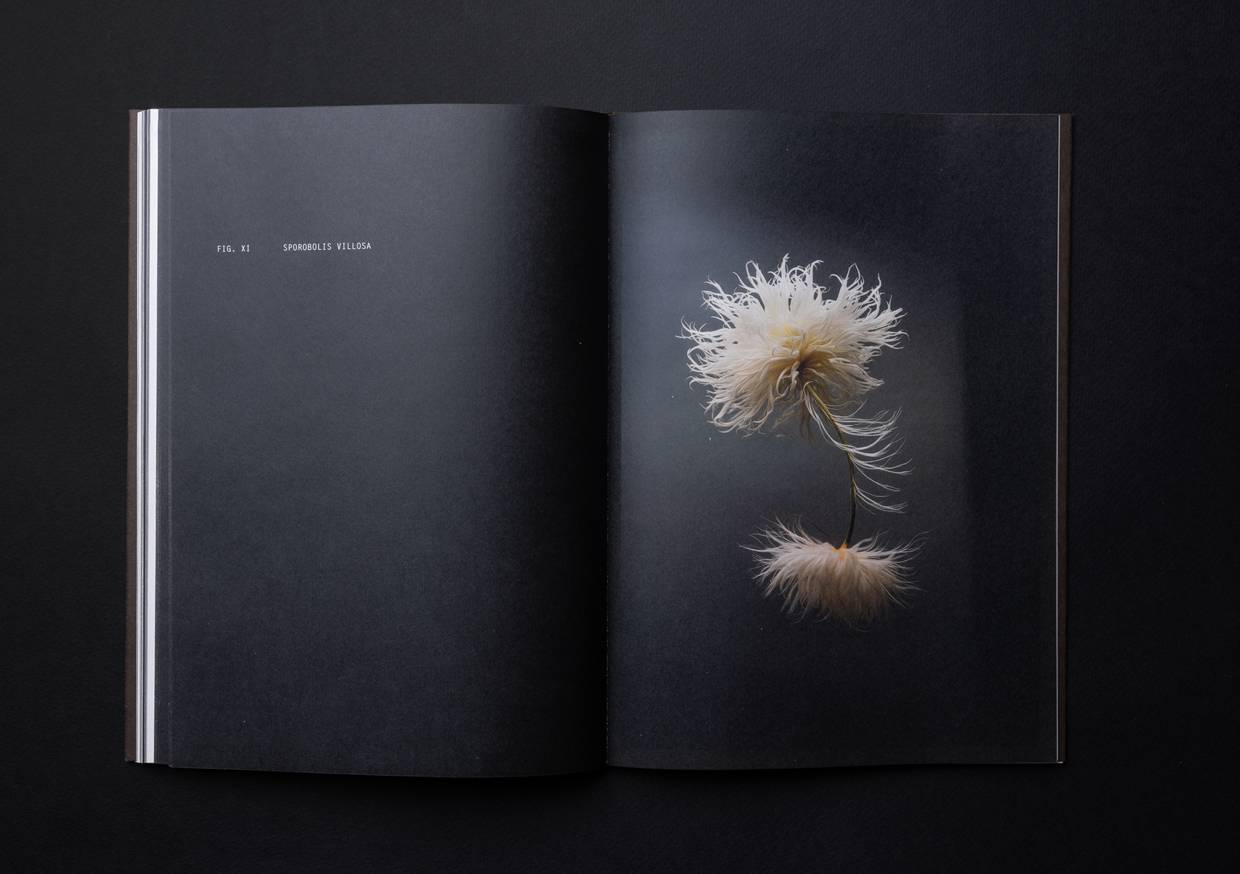
Uprooted: a handbook of levitating flowers and other fashionable nonsense by Fiona Lascelles
What if… the internet was soil, what flowers would grow?
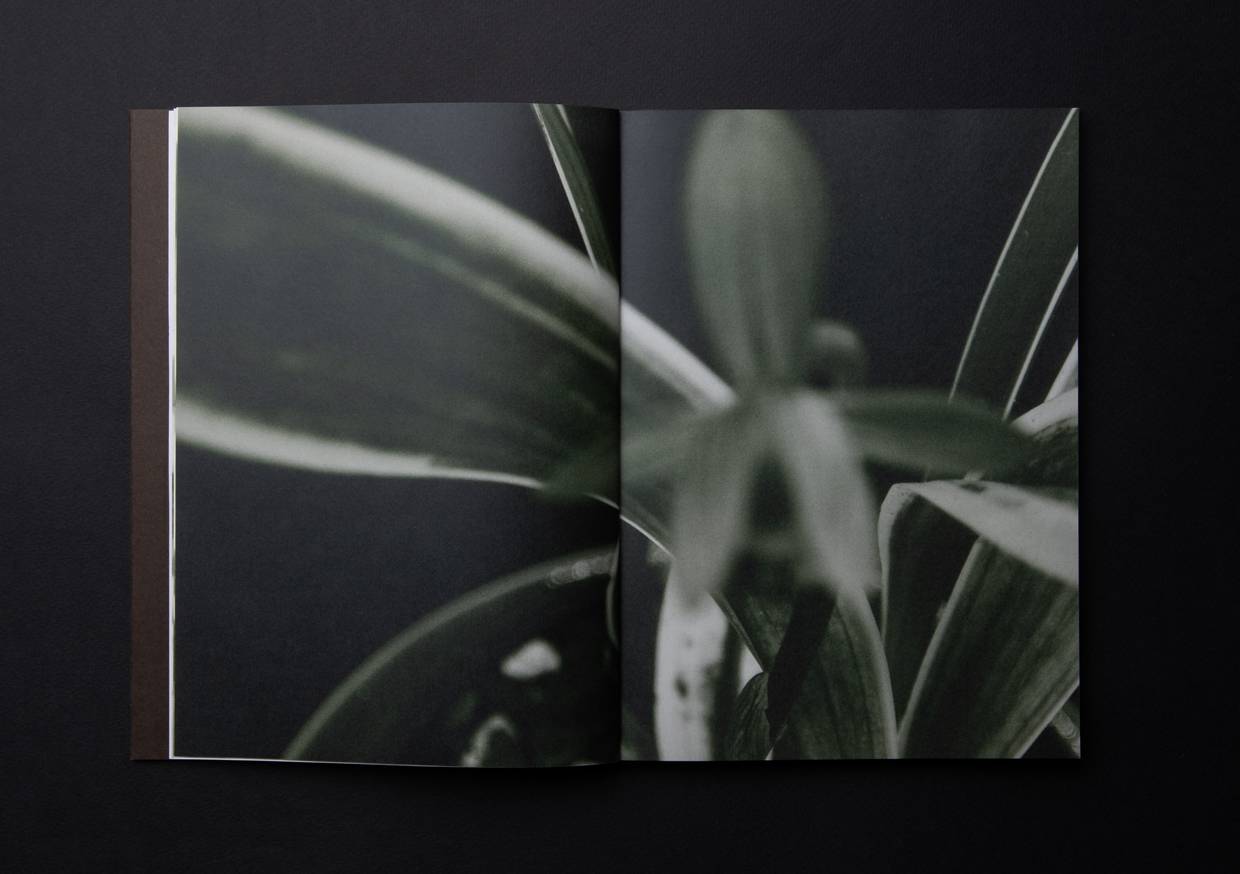
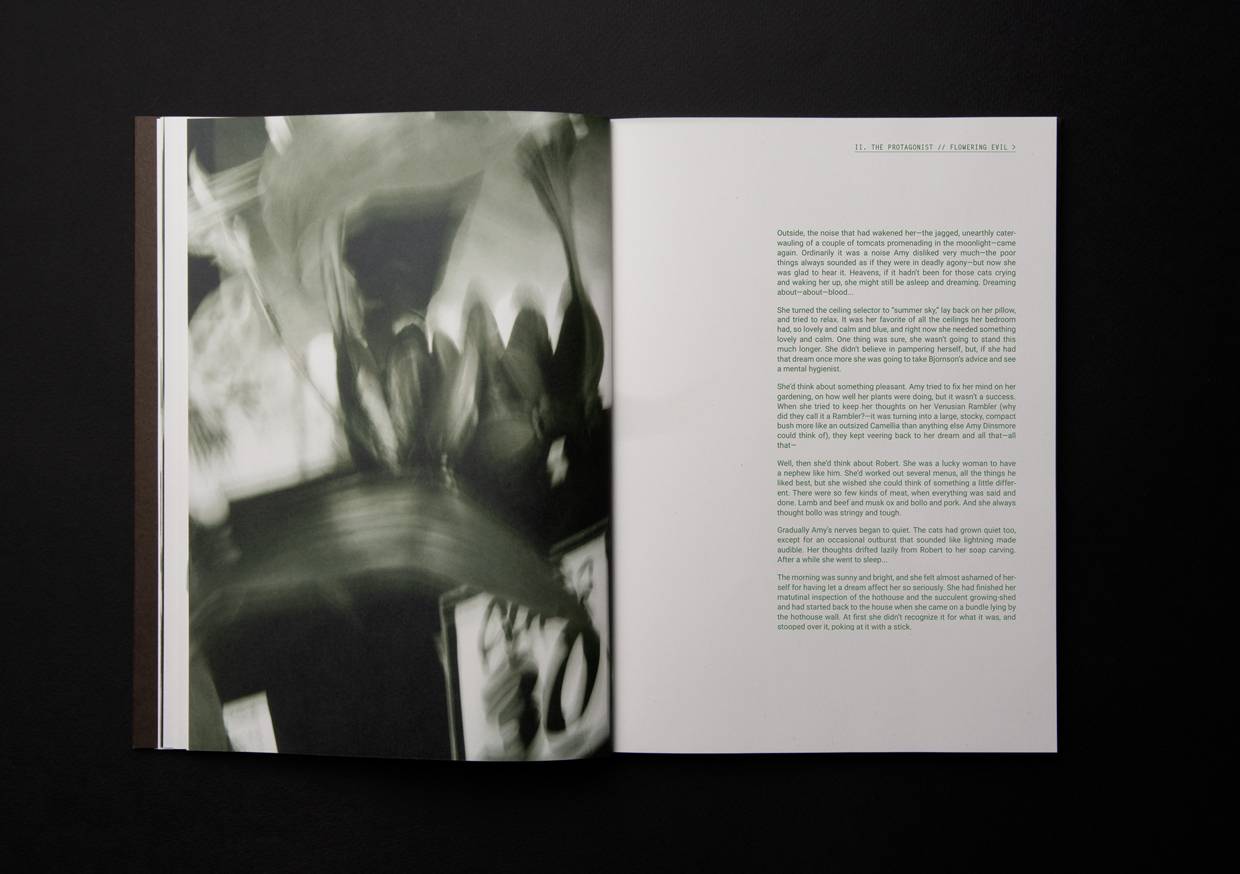
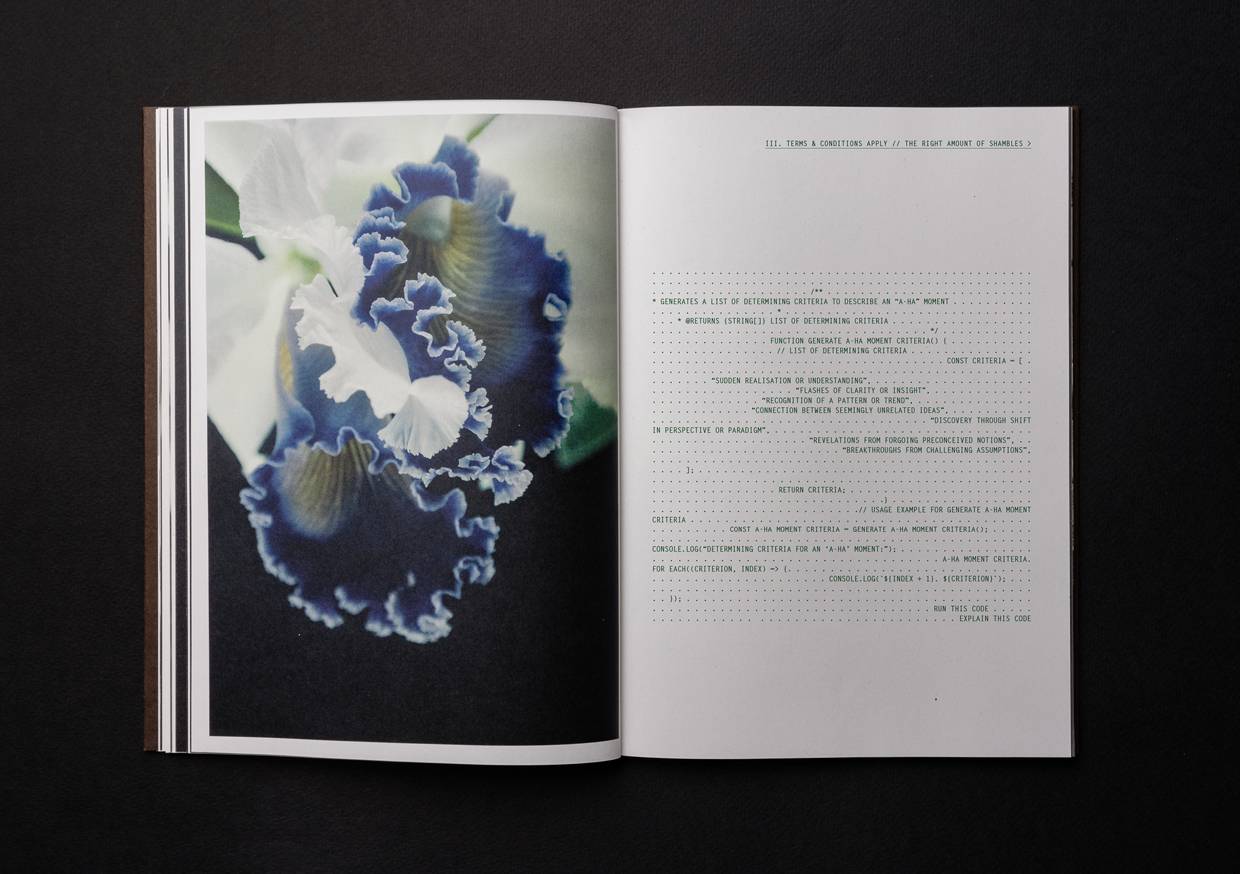
A speculative piece of fiction that is part photography, is definitely sci-fi, could be used as a handbook, recants the ordeals of a 1950s plant breeder who grows species given to her from travellers to outer space (found on Wikicommons), performs acts of flower propagation via the active nourishment of words and contains magician’s coding.
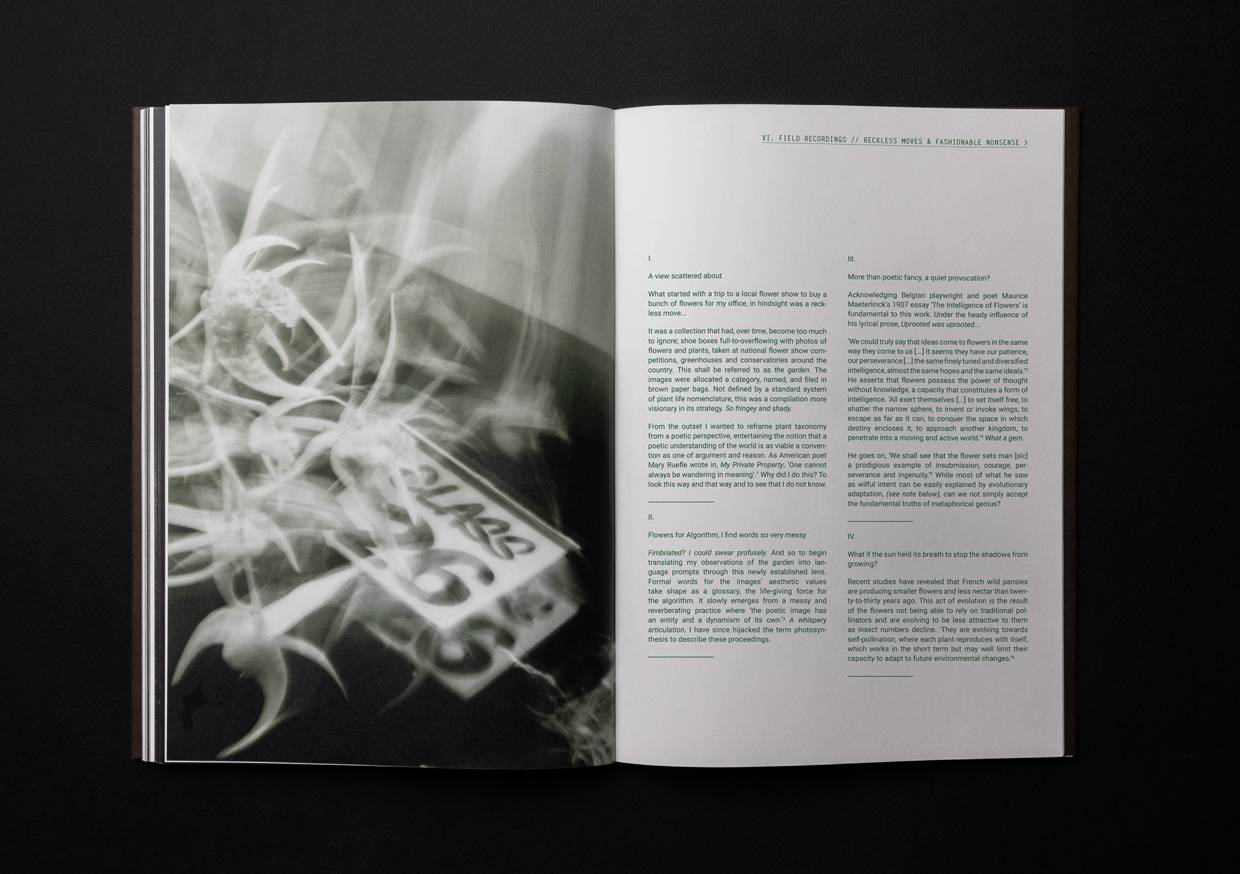
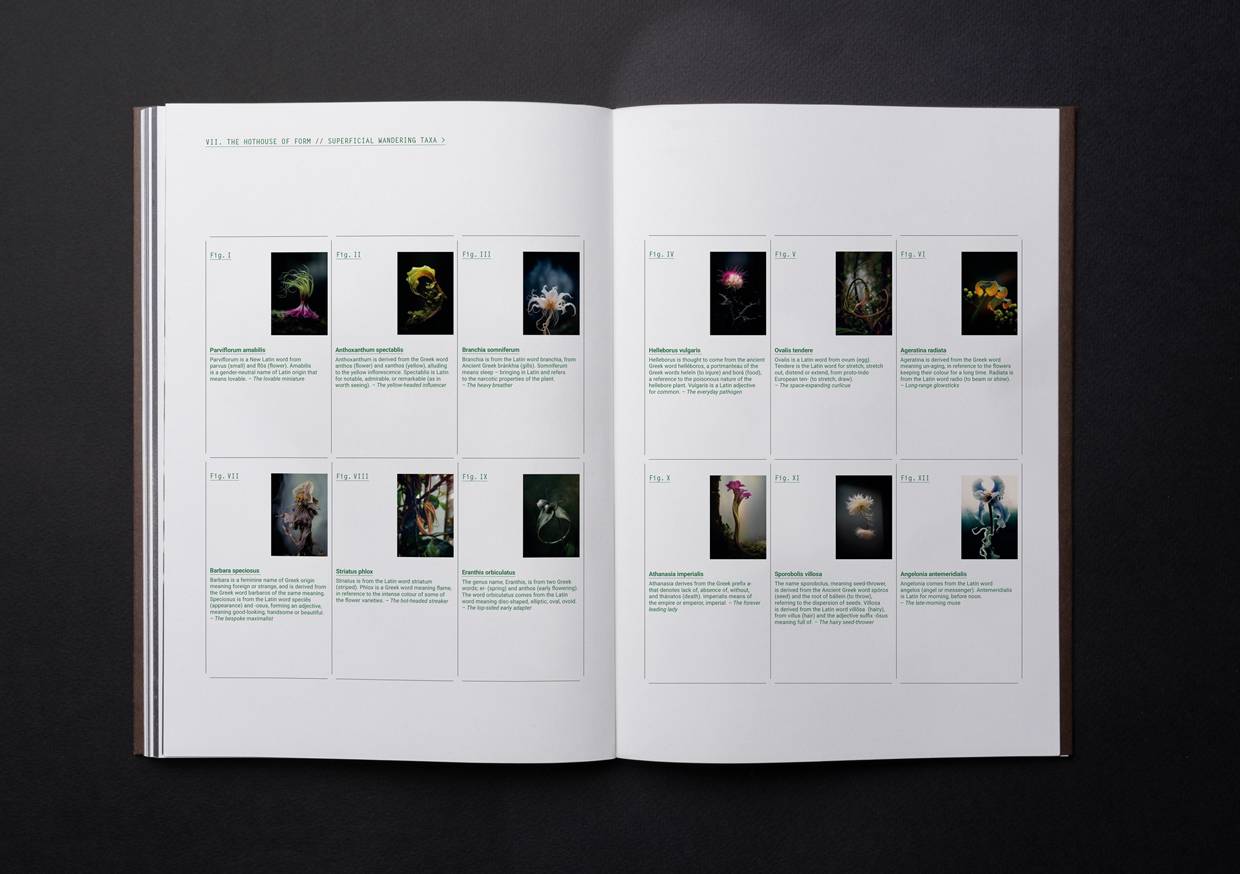
Uprooted is a ramble across multiple worlds both real and imagined. At its core a reframing of plant taxonomy from a poetic perspective, entertaining the notion that a poetic understanding of the world is as viable a convention as one of argument and reason.
A process condensing research and readings, visual exploration, observation, curation and creating connections, play and critique; Ursula le Gruin refers to this as composting, a fitting analogy for the creative process. In the end the work became more than poetic fancy, rather a handbook of provocation.
Uprooted is a reflection on what philosopher Donna Harraway would see as a statement on the blurring of species identity politics. The accompanying texts and quotes throughout the book affirm the problem of the hierarchy of being: machine over plant, human over machine. Here, the plant speaks back.
Concept, design, production // Fiona Lascelles
Photography // Fiona Lascelles AI images created using personal photographs in midjourney and re-edited/composed in Photoshop. Coding created in codepal.ai and edited. AI plant names initially generated in fantasynamegenerators.com and re-edited.
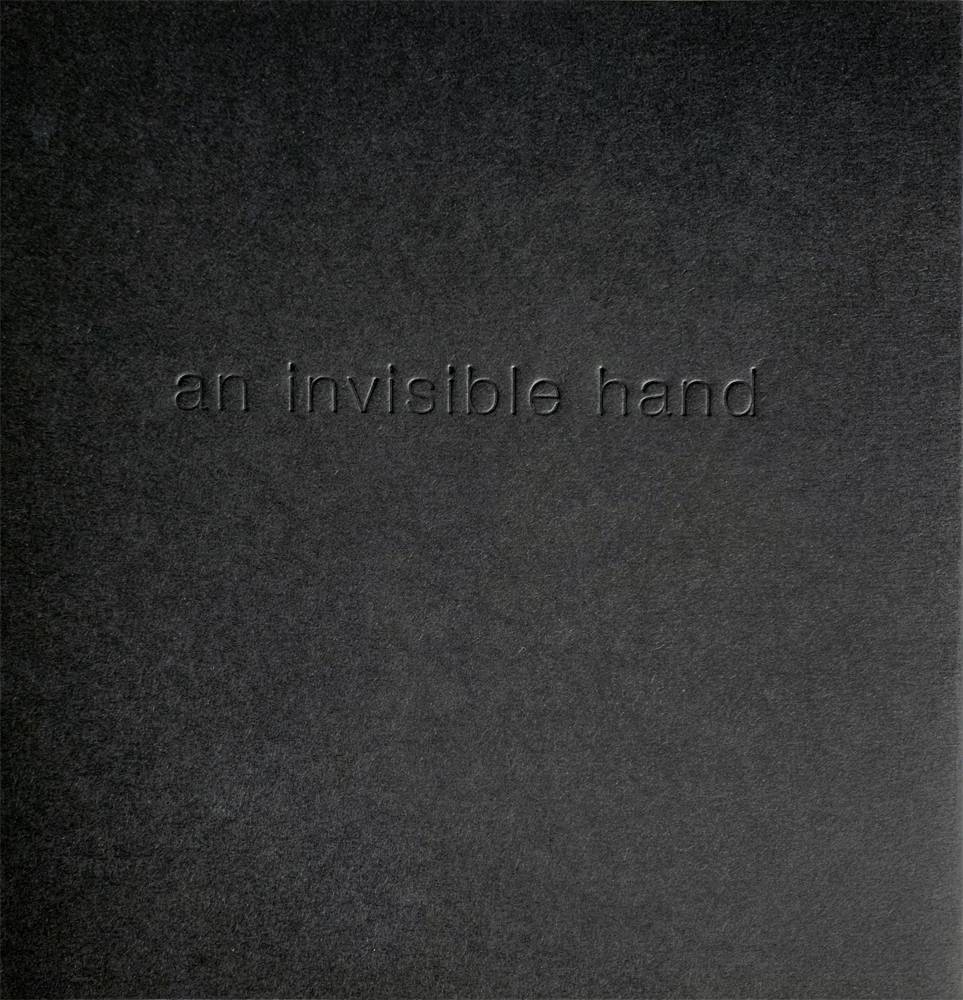
An Invisible Hand is Stephen Roucher’s first artist’s book, from his street photographs made between 2012 and 2022.
In an era where modern technology offers precise navigation and ubiquitous ‘street-view’ convenience, locations are catalogued and made explicit through GPS coordinates and addresses. Commerce and progress drive these technologies, shaping our environment and perceptions of it.
Roucher invites us to consider a machine-driven perspective from another era with his black-and-white photographs made using a view camera, a cutting-edge technology of the 19th century that radically reshaped our perceptions of the world. He captures the urban landscape not with the precision of contemporary tools but with an eye for the timeless and the unseen. The photographs delve into the nuances of public spaces, the rejuvenation of forgotten corners, and the artifacts of once-daily technologies now obsolete. Roucher juxtaposes the meticulously catalogued present with a more ambiguous, reflective view. The book brings to life locations vaguely referenced, ideas repurposed, and the subtle transformations of environments in constant flux. These photographs serve as a testament to the invisible hand guiding our perceptions and interactions with the world.
Stephen Roucher is an independent photographer, based in Wellington Te Whanganui-a-Tara. Since graduating from Elam School of Fine Arts in 1995, he has accumulated an archive of conceptually focused series of photographs, depicting the urban and rural environments. His practical experience in the process of photography, both analogue and digital, informs his approach to making his art. He had solo exhibition ‘Stands’ (series of stands mostly from rural sports fields) at Whangarei Art Museum in 2011 and McNamara Gallery, Whanganui in 2012, ‘Void’, an installation in the iconic TestStrip gallery in Auckland in 1995. His photographs were featured in many group shows – including in Now & Then: Enduring and developing themes in contemporary New Zealand photography, Te Manawa, Palmerston North, in 2012.
June 2024
ISBN: 978-1-99-116527-5
Pages: 108pp, with offset duotone Format: card jacket, section sewn Dimensions: 245 x 240 x 11mm RRP $75.00 (limited hand-bound edition of 150)
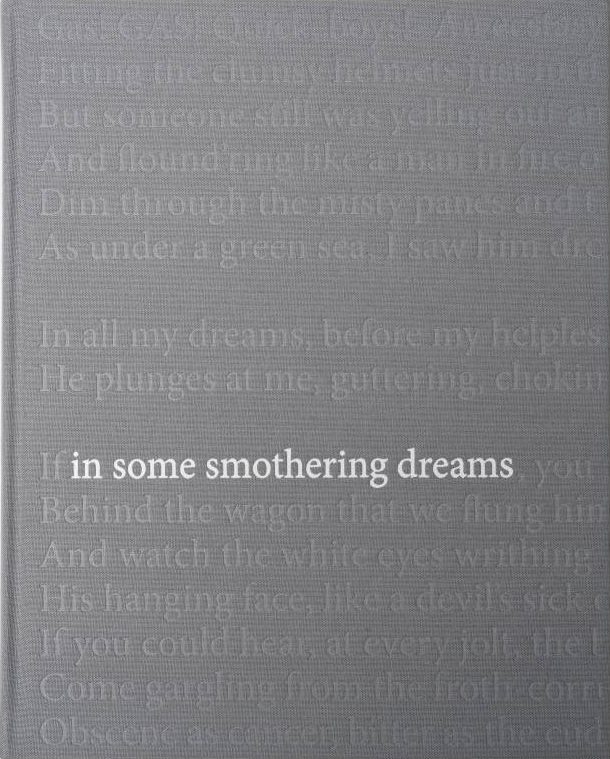
in some smothering dreams Camus Wyatt with an essay by Deidra Sullivan
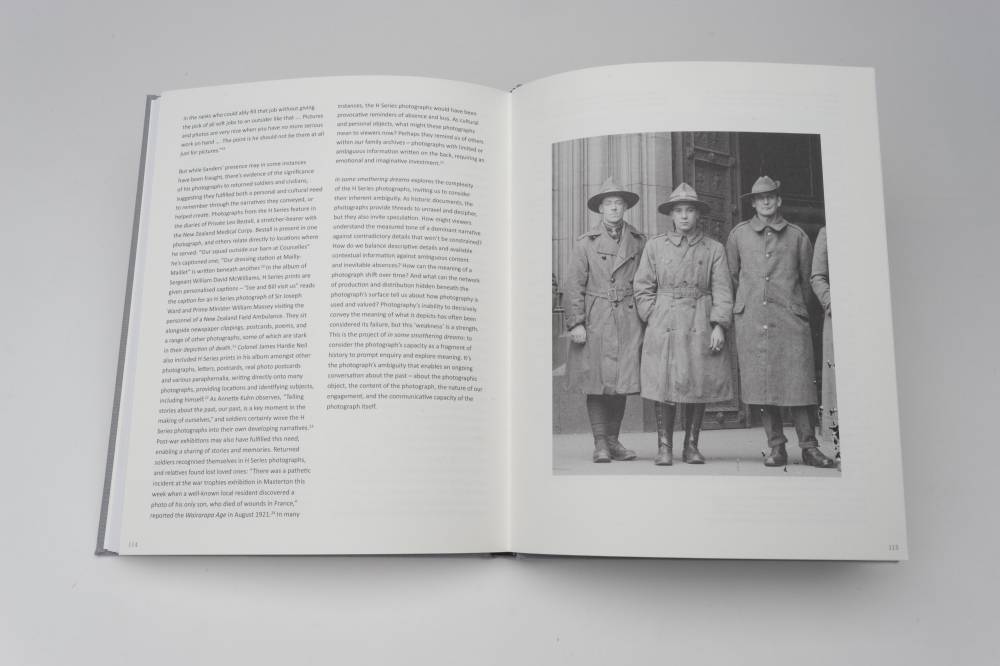
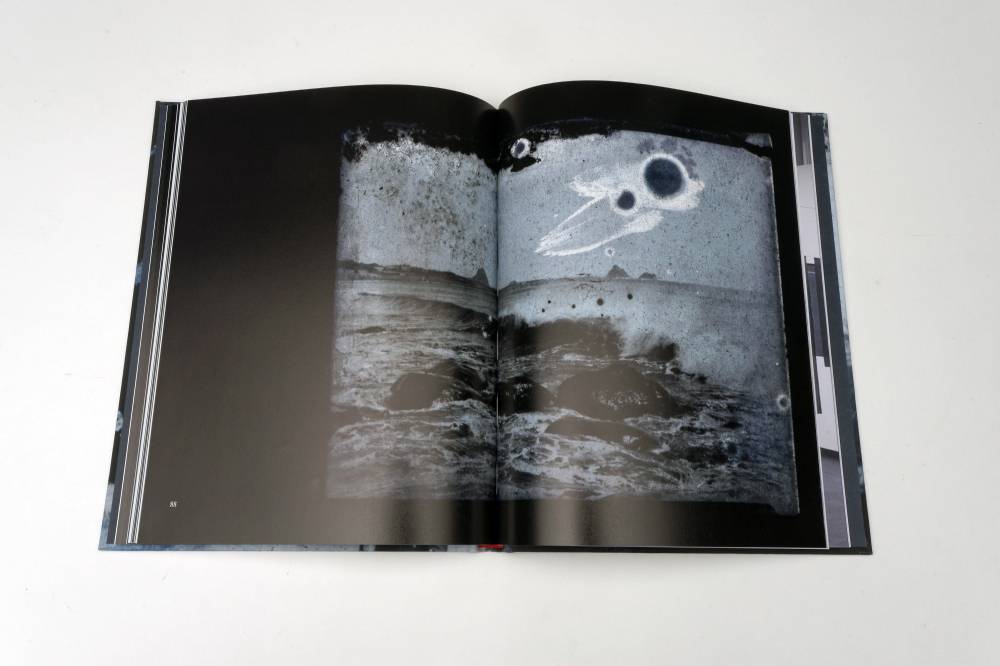
What can photographs say about the unimaginable? in some smothering dreams takes our gaze to the First World War, where official photographer Henry Armytage Sanders created the most extensive visual record of New Zealanders on the Western Front. But rather than being an archive of slaughter, Sanders’ photographs often depict the faces of men behind the lines and the landscapes left in the war’s wake.
Using details from the original glass plate negatives, Camus Wyatt reimagines these photographs as places of strange beauty, capturing both a profound quiet and a looming sense of dread. With an essay by Deidra Sullivan on the history of the Sanders collection and the possible meanings of their reimagining, in some smothering dreams is a moving contemplation of the pathways between image, archive, the lives of others, and the limits of our understanding.
“(Sanders’) photographs are deeply evocative of New Zealand’s involvement in this global conflict and of the experience of those who served. The significance of the collection is illustrated by its inclusion on UNESCO’s Memory of the World register. Public engagement with these photographs has always been strong, but by revisiting the original negatives and drawing attention to the quiet detail captured within them, this publication will present a reinterpretation that is sure to deepen both personal and collective connections with these images.”
—Natalie Marshall, former Curator of Photographs at the Alexander Turnbull Library
Camus Wyatt is an independent photographer and doctoral student in art history based in Wellington Te Whanganui-a-Tara. His practice often examines the connections between thought and place, perception and form. He is drawn to the possibilities of change and chance, unplanned moments and the materiality of analogue photography. He has had five previous solo exhibitions. His most recent work was Time is the longest distance, a public art installation for Wellington City Council of sixteen large-scale lightbox images exploring the relationship between photography, memory and place.
Deidra Sullivan teaches on the Creative Technologies programmes at the Wellington Institute of Technology and has also taught at Massey University and Victoria University, tutoring in the Art History Departments. She has an enduring interest in photographic history and processes, and during 2020-2021 took time out from teaching to take the position of Curator, Photographic Archive, at the Alexander Turnbull Library. Her MFA considered the connections we make between historical knowledge, personal and cultural memory, and imagination when exploring collections of photographs. Her photographic practice engages with cameraless and lens-less photography.
June 2024
ISBN: 978-1-99-116523-7
Pages: 120pp, with offset duotone Format: hardcover wrapped cloth, section sewn Dimensions: 257 x 207 x 17mm RRP $50.00
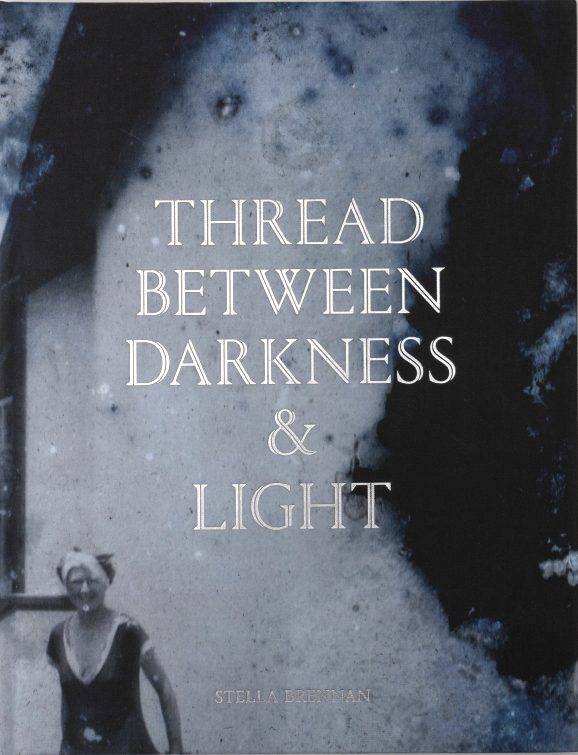
Thread Between Darkness & Light Stella Brennan Essays by Susan Ballard, Kirsty Baker, Lissa Mitchell and Ross Galbreath. Designed by Alice Bonifant.
Thread Between Darkness and Light, a new photo book by artist Stella Brennan, began with the gift of a painting: a depiction of Rangitoto with a mysterious ruin in the foreground. Investigating its painter led Brennan to an 1897 photograph of her great-great-aunt Louise Laurent with her female classmates – students at the same art school Brennan attended a century later. Struck by this uncanny affinity with her previously unknown ancestor, Brennan embarked on a journey of research and revelation.
Cold-calling long-lost relatives, she unearthed an archive of Edwardian glass plate negatives, which a cousin had carefully preserved since Louise’s death in the 1960s. Despite being cracked and marred by mould and dirt, Brennan meticulously scanned the 300 fragile plates. Her first realisation of Louise Laurent and her husband William Winn’s 100 year-old archive was an immersive installation of 36 translucent silk banners, displayed in 2023 at Te Whare Toi, City Gallery Wellington.
This book delves deeper into these historical images, juxtaposing the passage of time with startlingly contemporary framings and content. There is even a string-assisted selfie of Louise and William together. On the other hand, the extreme damage sustained by some of the negatives, the cracked glass, peeling emulsion and blooms of mould speak to the time between then and now. It is this tension that animates the project – this superimposition of time and place. An evocative collaborative essay enlarges the historical and material context. Susan Ballard, Professor of Art History at Te Herenga Waka—Victoria University of Wellington, Kirsty Baker, Curator at Te Whare Toi, and Lissa Mitchell, Curator of Historical Photography at Te Papa, bring their unique perspectives to a text that breathes life into these spectral images.
Brennan’s documentation of her discovery process is complemented by historian Ross Galbreath’s riveting account of Louise’s adventurous mother Lucie, tracing her journey from birth in a London workhouse, to the 1871 Siege of Paris, to her arrival with her three daughters in 19th-century Tāmaki Makaurau/ Auckland, Aotearoa/New Zealand. Thread Between Darkness and Light is not just a photobook; it’s a poignant bridge across generations, a tapestry woven from the traces of the past into the light of the present.
June 2024
ISBN: 978-1-99-116524-4
Pages: 120pp, with colour reproduction Format: hardcover wrapped printed cloth, section sewn Dimensions: 268 x 207 x 15mm RRP $50.00
Viewshaft Allan MacDonald and essay by Rangihiroa Panoho. Designed by Jonty Valentine
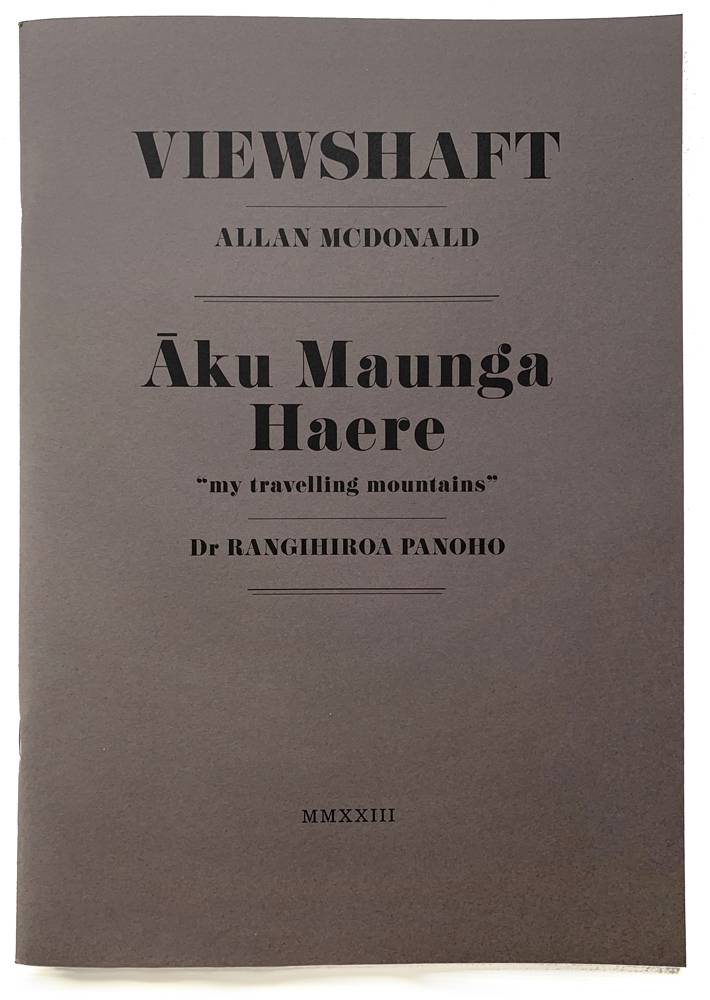
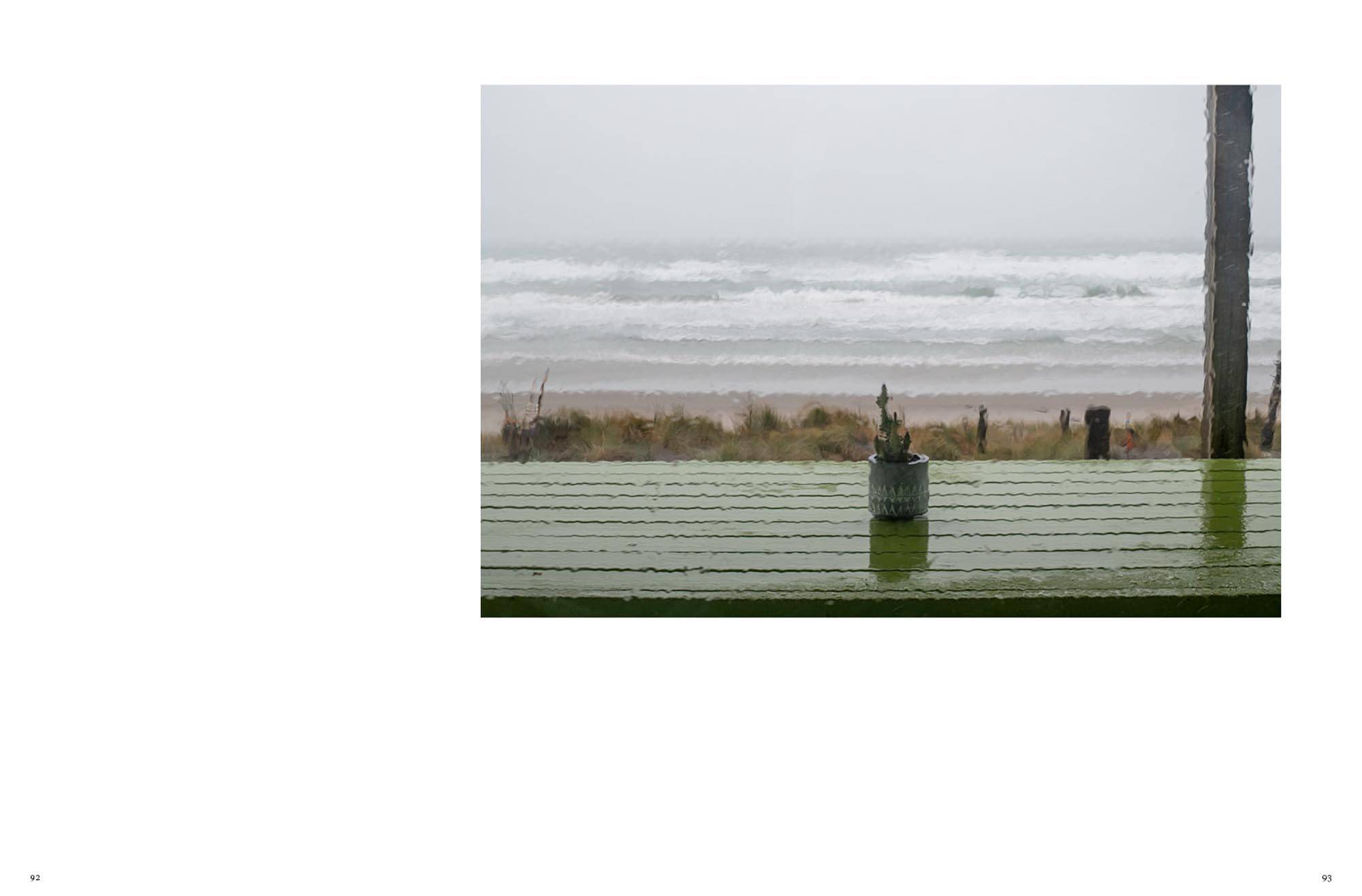
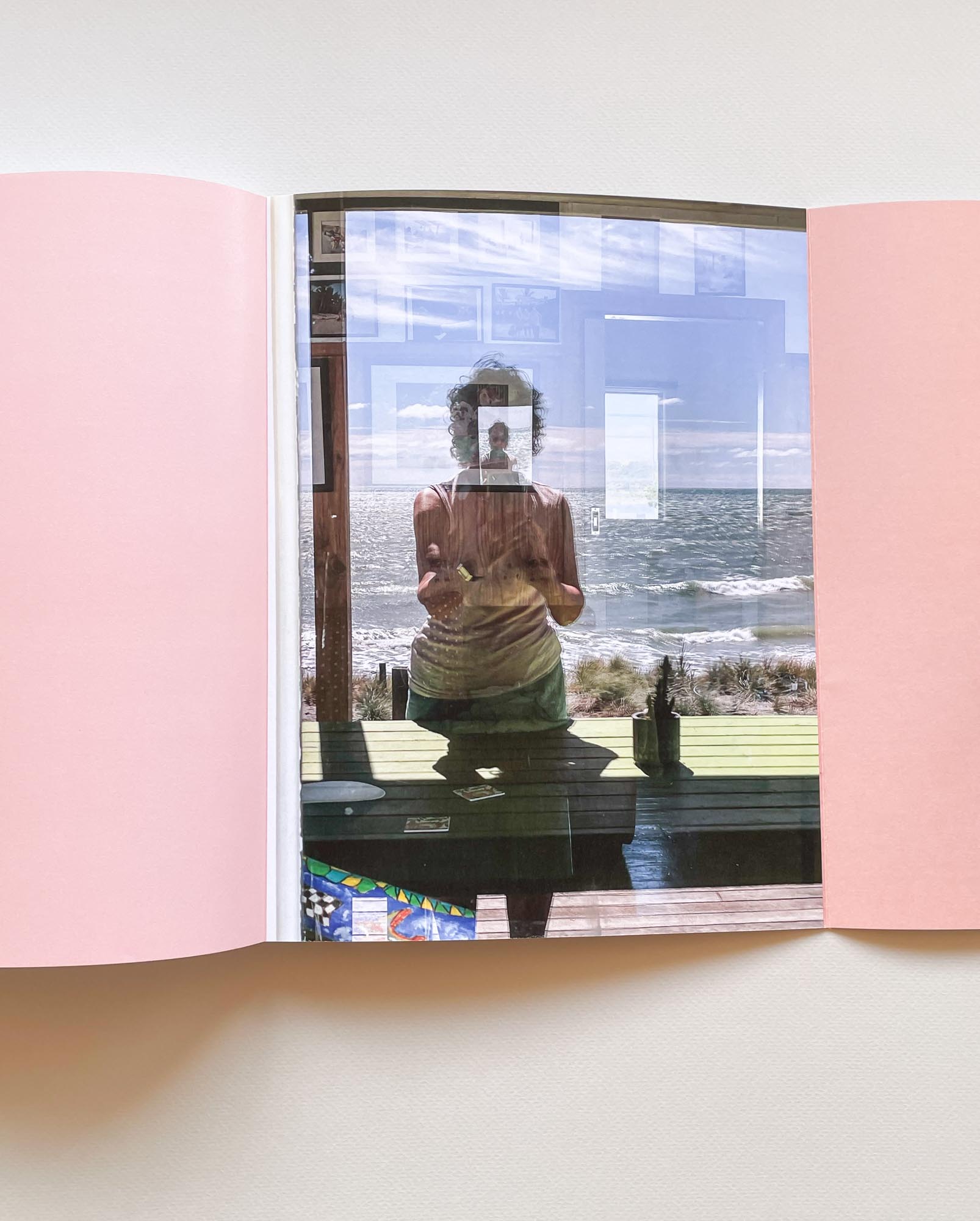
Viewshaft is a geo-linquistic drift, from north to south, through the volcanic fields of Tāmaki Makaurau. It shows mountains still to be seen, and others that are not. Except sometimes through the photographs or words of those who felt a need to describe them at the time. Those words and images come into play here, through the writings of geologists Firth, Searle and Hayward, and also through the influence of two small but notable publications, Auckland’s Unique Heritage: 63 Wonderful Volcanic Cones and Craters. An Appeal to Save Them (1928) and Auckland Volcanic Cones:A Report on Their Condition and a Plea for Their Preservation (1957). Both were attempts to preserve Auckland’s volcanic features at a time when they were being rapidly consumed by twentieth century demands. Viewshaft is accompanied by an essay by Dr. Rangihiroa Panoho, ‘Āku Maunga Haere’ (my travelling mountains).
“Viewshaft is testimony to his continuing gaze at the volcanic maunga that have an iconic presence in Tāmaki Makaurau. Aucklanders live on and in the shadow of these maunga and the recent public debates about how their tihi ‘their sacred high points’ are planted and the replacement of exotic with natives shows just how much passion these natural forms generate. Tāmaki Makaurau is indeed still a land ‘desired by hundreds of lovers'”. Dr. Rangihiroa Panoho
worm, root, wort… & bane by Ann Shelton Published by Alice Austen House Press (US)
Artist Ann Shelton’s latest book, worm, root, wort… & bane delves into the rich history of plant-centric belief systems and their suppression. Part artist scrapbook, part photo book, part quotography, and part exhibition catalogue, this publication explores the medicinal, magical, and spiritual uses of plant materials, once deeply intertwined with the lives of European forest, nomadic, and ancient peoples.
worm, root, wort… & bane re-assembles fragments of historical knowledge alongside the first 19 artworks from Shelton’s photographic series, i am an old phenomenon (2022-ongoing). The plant sculptures photographed are constructed by the artist, who has worked with plants since childhood and long been interested in the history of floral art and its expansive gendered resonances.
Overflowing with 300+ images and quotations, this book traces the loss of plant knowledge held wise women, witches, and wortcunners in post-feudal Europe, as Christianity spread and capitalism emerged. The book follows our changing relationships with plants, through the Victorian era to the present — offering cause to reflect on the consequences of the ongoing estrangement between humans and the natural world.
worm, root, wort… & bane features a multiplicity of voices, reflecting the assorted and sometimes conflicting beliefs that are held about plants, gender, and sexuality. Adopting an intersectional approach, the book quotes historical accounts, herbal advice, folk knowledge, and artist research, and draws from art, literature, film, and television.
The book also features new essays by photographic curator Susan Bright and Victoria Munro, Executive Director of Alice Austen House, as well as The Three Fates, a short story by New Zealand writer Pip Adam, written in response to Ann Shelton’s research.
Ann Shelton, Pākehā/Italian (b. 1967, Aotearoa New Zealand) received her MFA from the University of British Columbia, Vancouver, Canada. She lives in Te Whanganui-a-Tara Wellington, New Zealand and exhibits internationally. Her most recent museum survey, Dark Matter, curated by Zara Stanhope (Director, Govett-Brewster Art Gallery, Ngāmotu New Plymouth, Aotearoa New Zealand), was hosted by Auckland Art Gallery Toi o Tāmaki in 2016 and toured to Christchurch Art Gallery Te Puna o Waiwhetū in 2017. Shelton’s award-winning work has been extensively written about and reviewed in publications including Artforum, Hyperallergic, Journal of New Zealand & Pacific Studies, artnet news, The Art Newspaper, and the Evergreen Review. Her works are included in public and private collections throughout Aotearoa New Zealand and in the United States.
There Is Nowhere to Go, There Is Nothing to Do Greta Anderson with essays by Hanna Scott and David Eggleton
“In Greta’s images ordinary things radiate mystery, haloed by an ecstatic glow. Her pictures traverse eerie latitudes; they are brushed by the phantasmagoric; they pulse with a visceral brightness.” At the Edge of a Dark Forest, David Eggleton
This book brings together a selection of photographs produced between 1997 and 2022 by Tāmaki Makaurau based artist Greta Anderson, a prolific photographer, film maker and musician. For over a quarter century, Anderson has been capturing dramatic scenes in films and photographs that quietly reference intensely personal narratives. There Is Nowhere to Go, There Is Nothing to Do presents Anderson’s works, covering genres as wide as portraits, still life, wild and domesticated landscape and suburban tableau. The book is curated and designed by New Public, offering a fresh juxtapositions of images from a wide range of series and one-off artist books Greta made over the decades, from the classic Stand-ins (2001), Uncomfortable Conversations (2005), Optimistic Tragedy (2008), to more recent No Hording (2021) and The Transcenders (2021).
The book features two newly commissioned essays by long-time friend and supporter of Greta’s work, Hanna Scott, and esteemed poet laureate David Eggleton.
Greta Anderson is an Aotearoa New Zealand musician, photographer and teacher. She exhibits regularly at Two Rooms Gallery in Tāmaki Makarau Auckland. Her work has been shown at many venues for international contemporary art and photography including The Australian Centre for Photography (Sydney), The Museum of Photographic Arts (San Diego), The Ringling Museum of Art (Sarasota, Florida) and the Art Gallery of New South Wales (Sydney).
David Eggleton is a writer based in Ōtepoti Dunedin. He was the Aotearoa New Zealand Poet Laureate 2019 -2022. He has won a number of awards for his writing, including the Prime Minister’s Award for Literary Achievement in 2016. His books include Towards Aotearoa: A Short History of Twentieth Century New Zealand Art; and Into the Light: a History of New Zealand Photography; and Ready to Fly: the Story of New Zealand Rock Music; and Seasons: Four Essays on the New Zealand Year. He is a regular art reviewer for a variety of publishing platforms.
Hanna Scott met Greta Anderson as the newly-minted Interim Director at Artspace on Karangahape Road in 2002. She has written about Greta’s work four times over two decades. Twice for the NZ Journal of Photography, for Landfall and for Art New Zealand. Hanna is an experienced contemporary art curator, programme manager and researcher, based in Tāmaki Makaurau since 2002. Her writing is published in broadsheets, magazines and books in Australia, Indonesia, Singapore, New Zealand and the USA.
New Public is a design and publishing project based in Tāmaki Makaurau. It collaborates with artists and institutions to exhibit research devoted to the discussion of contemporary visual and material culture. Titles include On the Last Afternoon: Disrupted Ecologies in the work of Joyce Campbell, Sternberg Press, Berlin, and Adam Art Gallery Te Pātaka Toi at Te Herenga Waka–Victoria University, Te Whanganui-a-Tara Wellington, 2020; Qianye Lin and Qianhe ‘AL’ Li,Thus the Blast Carried It, Into the World 它便随着爆破, 冲向了世界, Coastal Signs and New Public, Tāmaki Makaurau Auckland, 2021; The Dialogics of Contemporary Art: Painting Politics, Kerber, Bielefeld and Berlin, 2022.
2023
ISBN: 978-1-99-116522-0
Pages: 128pp, with colour reproduction Format: Hardback Dimensions: 288mm x 220mm RRP $50.00