ET IN ARCADIA EGO

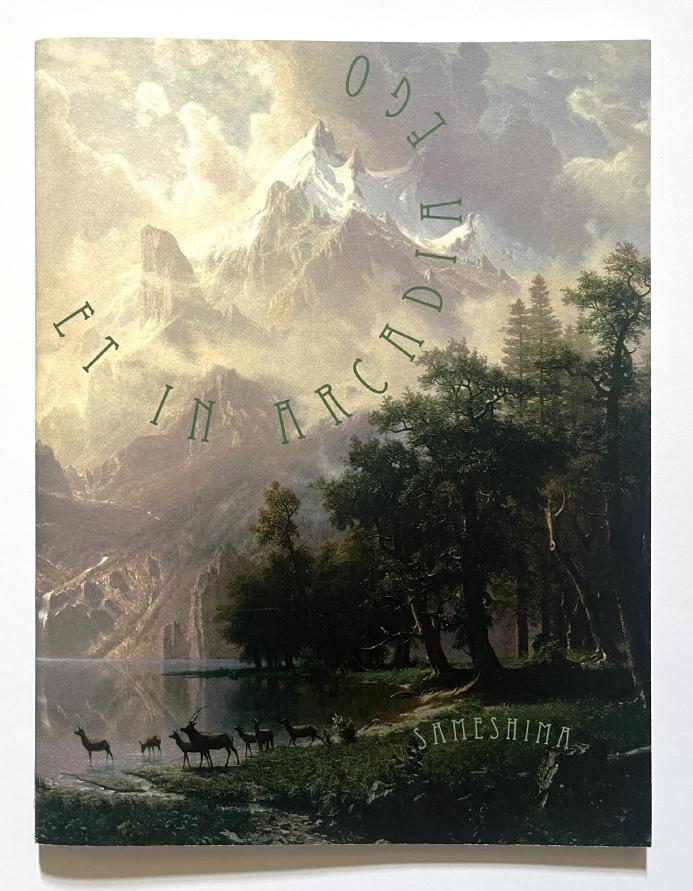
ET IN ARCADIA EGO – SAMESHIMA

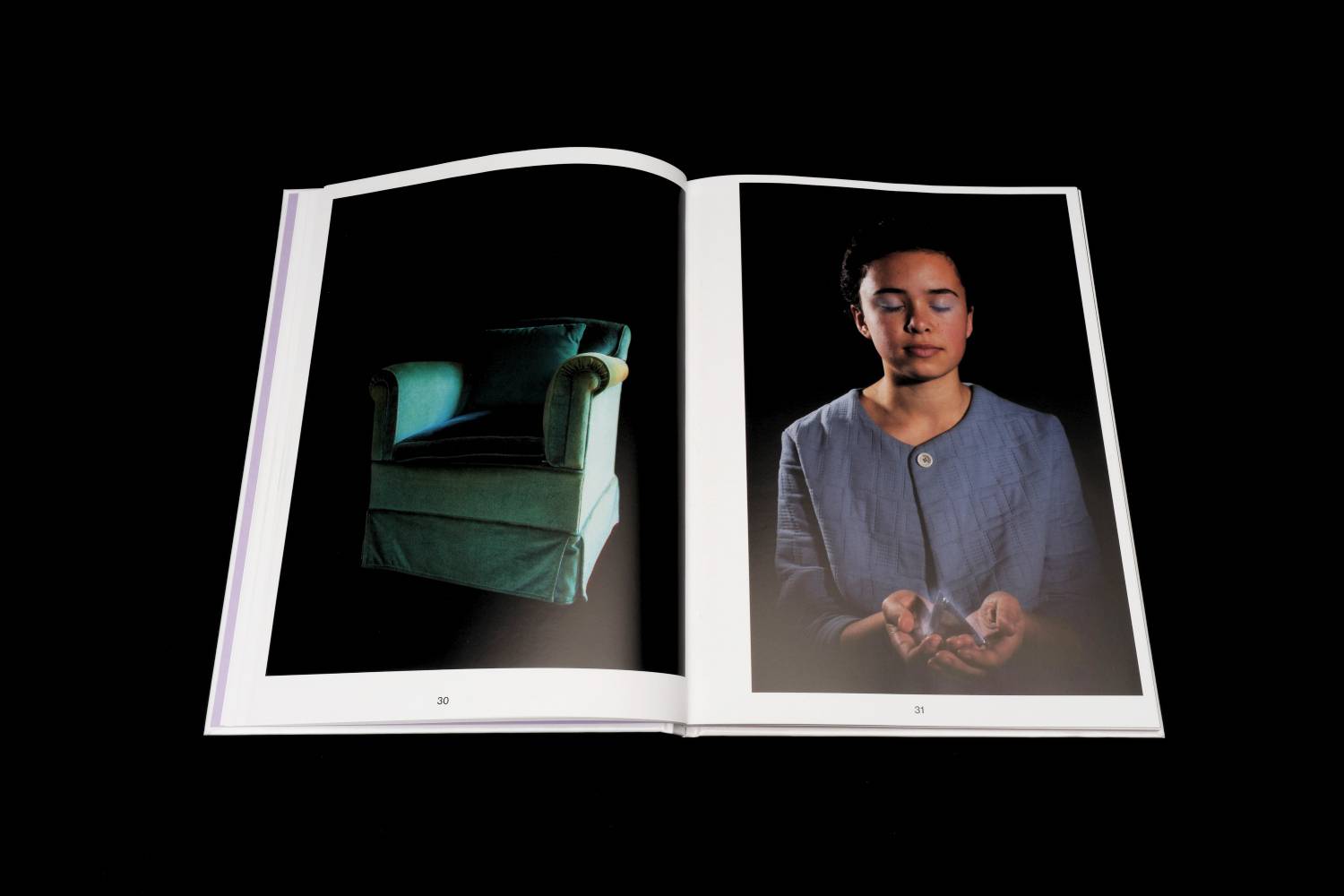
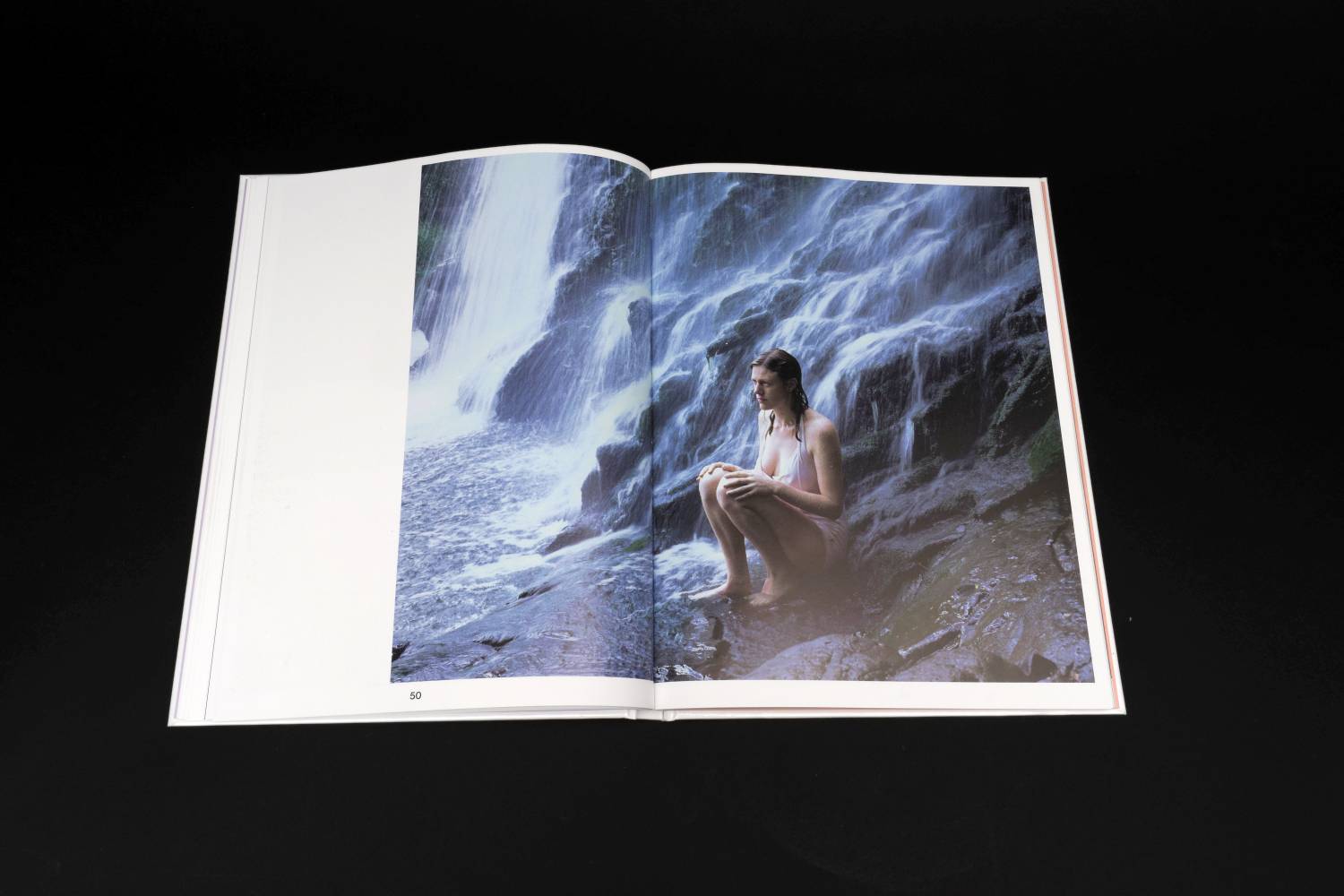
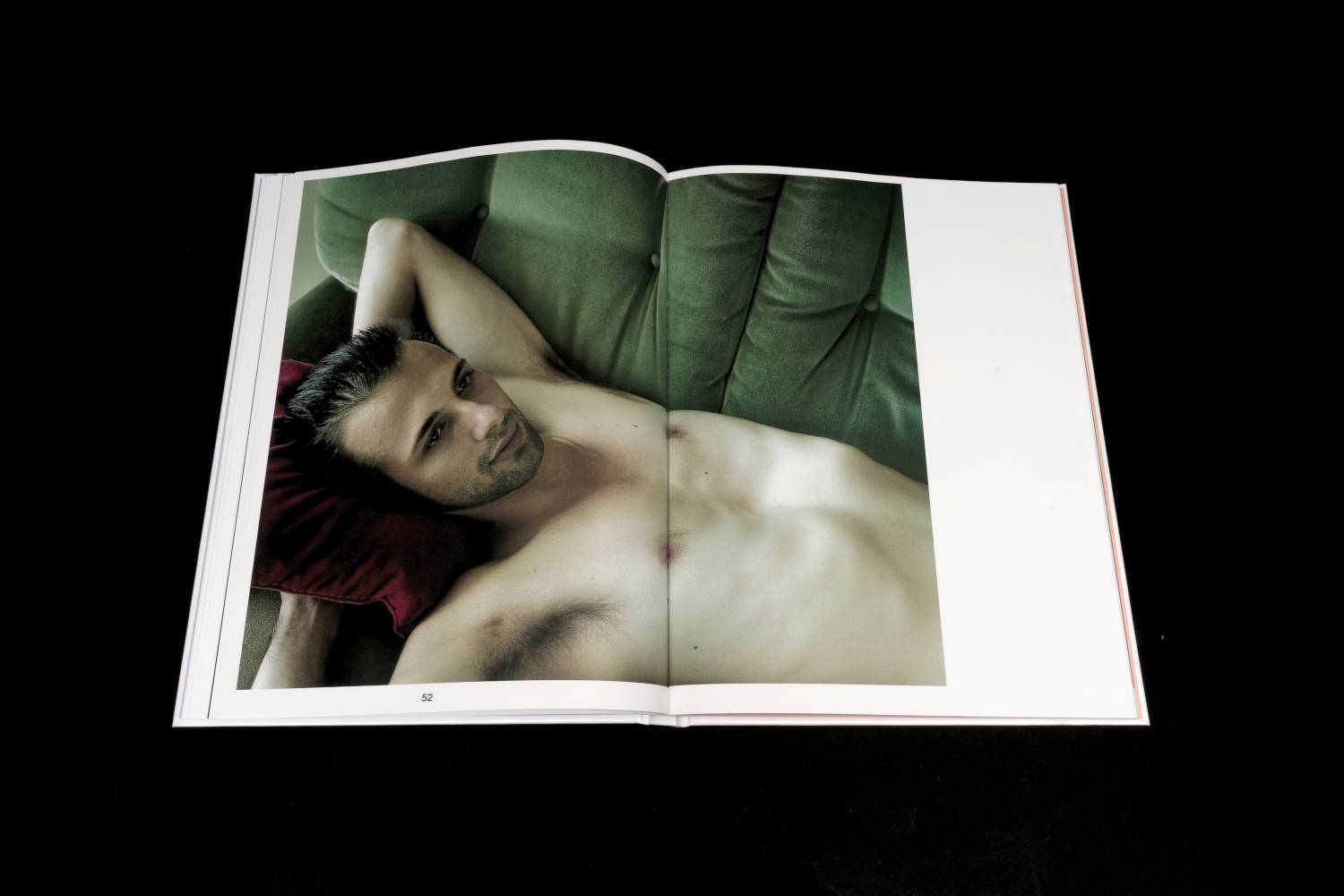
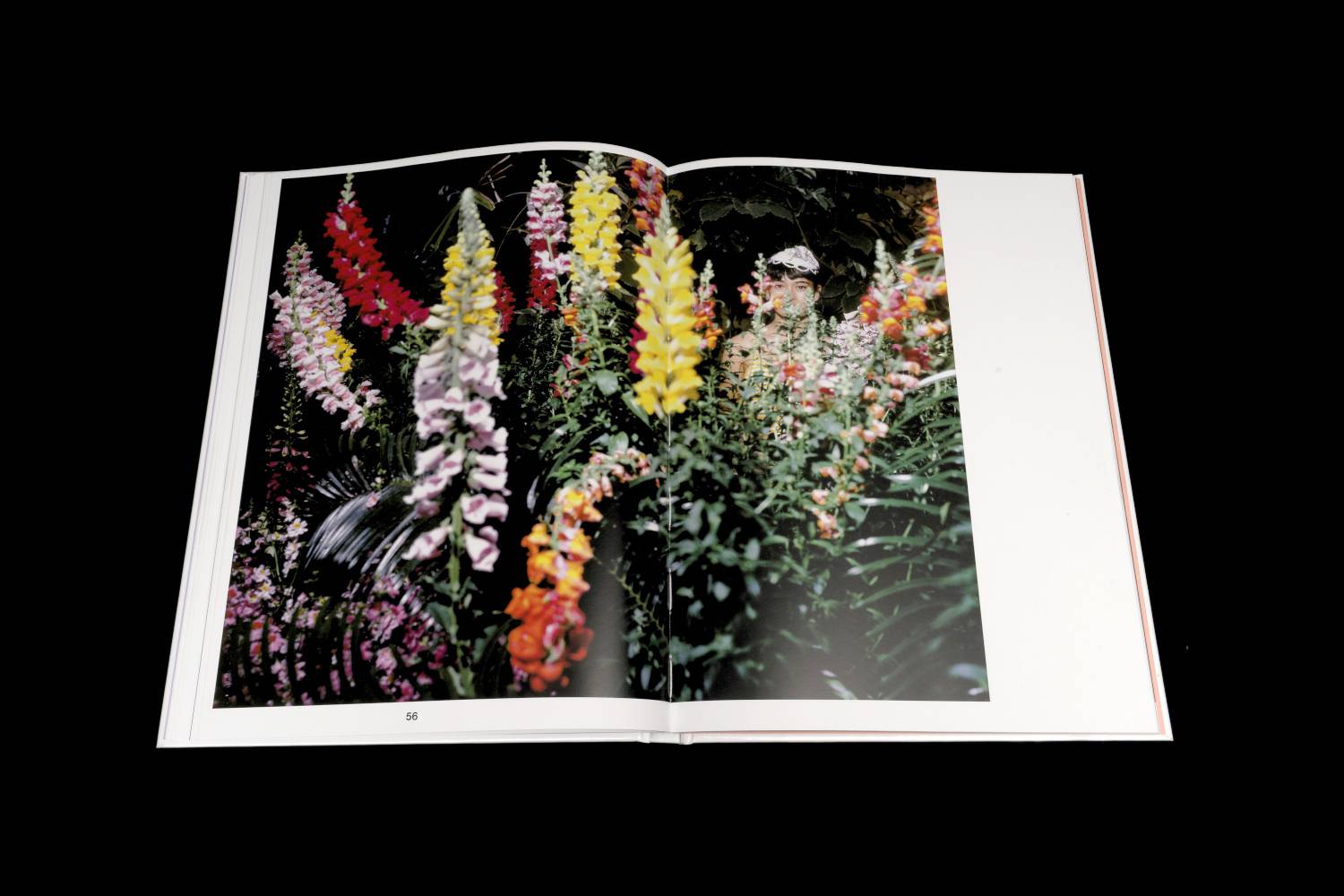
The original edition was produced in 2015 for Open Book, an exhibition curated by Shelly Jacobson at RM Gallery. Only eight copies were made.

Ten years later, long out of print, the book still feels current given recent geopolitical and climate events. The images haven’t been revised. If anything, the world around them has shifted—or come into sharper focus. What once seemed distant now reads more directly. The same conditions persist: conflict, spectacle, excess. All still there, just harder to look past.

The photographs were made over two decades (1992–2013), largely during overseas travel. They move through art museums, tourist sites, and shopping destinations—spaces of display and controlled encounter. Ruins, paintings of war, natural history museum dioramas, the Paris catacombs and scenes of retail excess sit alongside staged grandeur of Caesars Palace. A couple of images made in Aotearoa New Zealand and a selection of public-domain artworks are folded into the sequence.

The title, Et In Arcadia Ego, points to the classical reminder that death is present even in paradise. There is no single subject, only an accumulation: images of images, histories already framed, realities already mediated.


Original publication date 2015, reissued May 2025
Softcover | singer sewn | 44 pages
Second printing 100 copies

RRP $50

Add to cart

For all wholesale orders and requests info@rimbooks.com

Year To Date

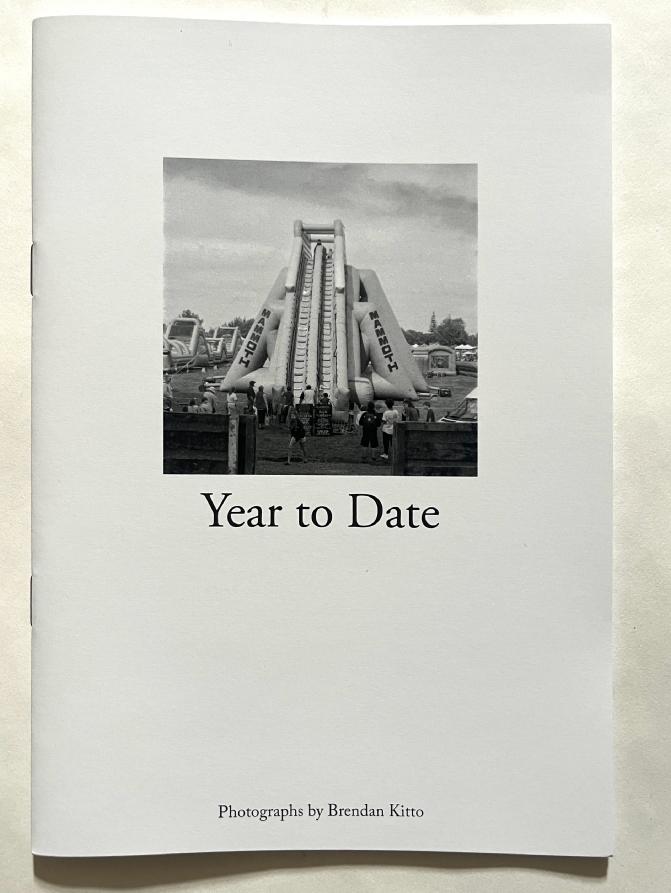
Year To Date – Brendan Kitto

A5 Zine.

A compilation of 12 black and white photographs from Brendan’s walking and road trip journeys.
From January to July 2025.

Brendan has been photographing in the Whanganui / Manuwatu and lower North Island area since he moved back to live in Whanganui in the 2020’s.

He was the A Gallery, 85 Glasgow artist in residence during October 2020.

“I took this opportunity to reconnect to the place I lived during the early to mid 1990’s.  Most of that time was spent between Spriggens Park where my Father was manager of the Marist U21 and senior team and checking the North Mole to see if it was calm enough to cross so we could take the boat out.  I wanted to return and explore my childhood memories of places and document the change………if any.”

This Zine is an update of his ongoing journey – photographs from the first half of the 2025. His gentle and steady assured photographic chronicling of a place in time.


.


Publication date: August 2025
Softcover | A5 Zine | 28 pages
Edition of 30

RRP $25 

Add to cart

For all wholesale orders and requests info@rimbooks.com

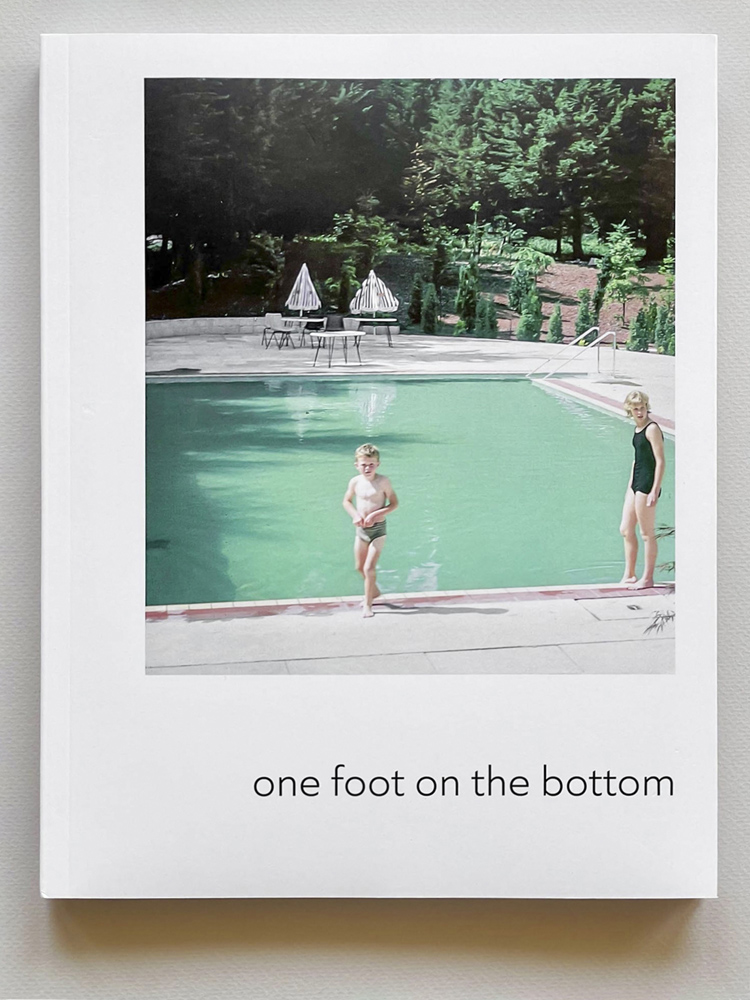
one foot on the bottom

one foot on the bottom
Mary Macpherson

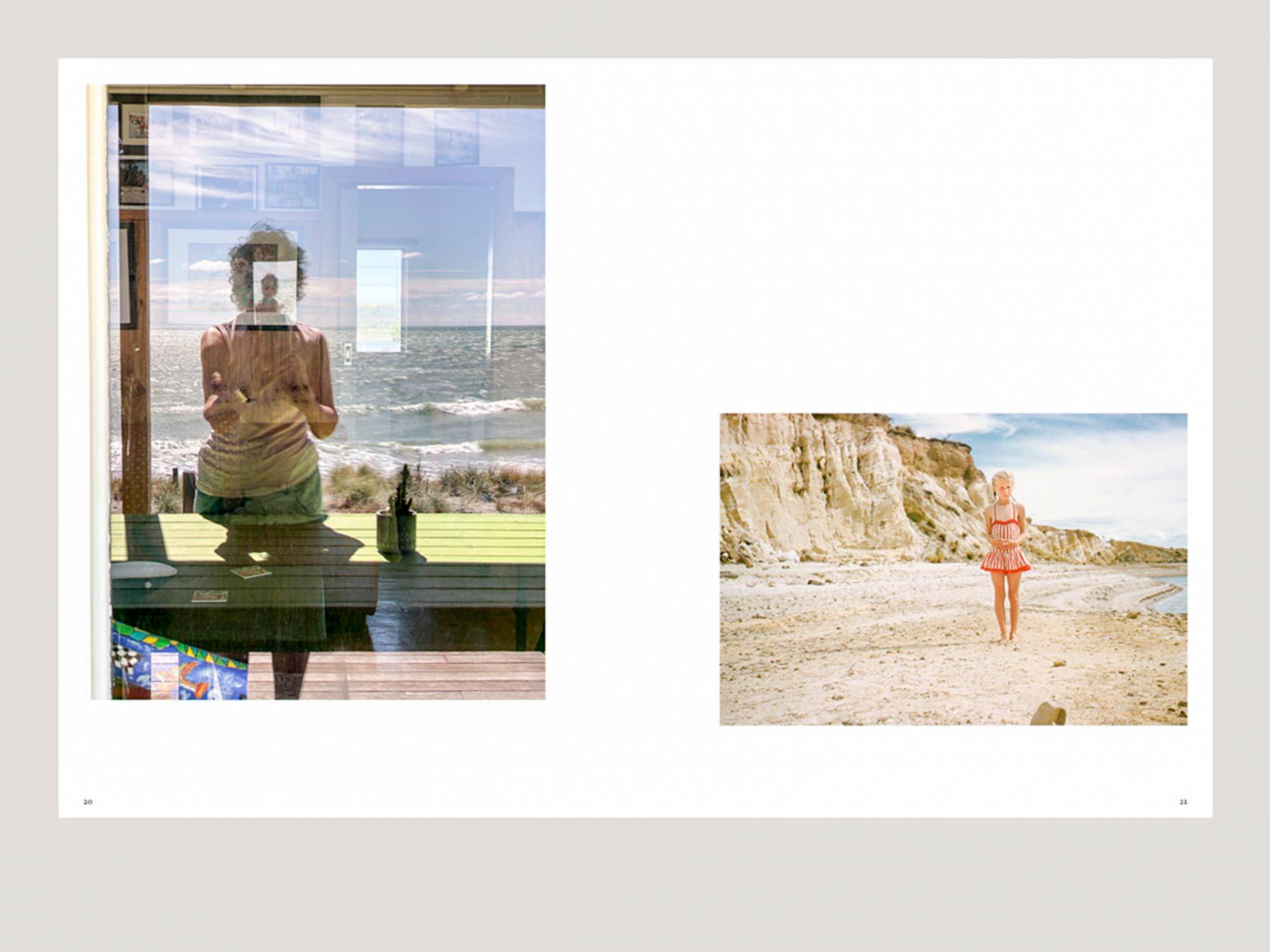
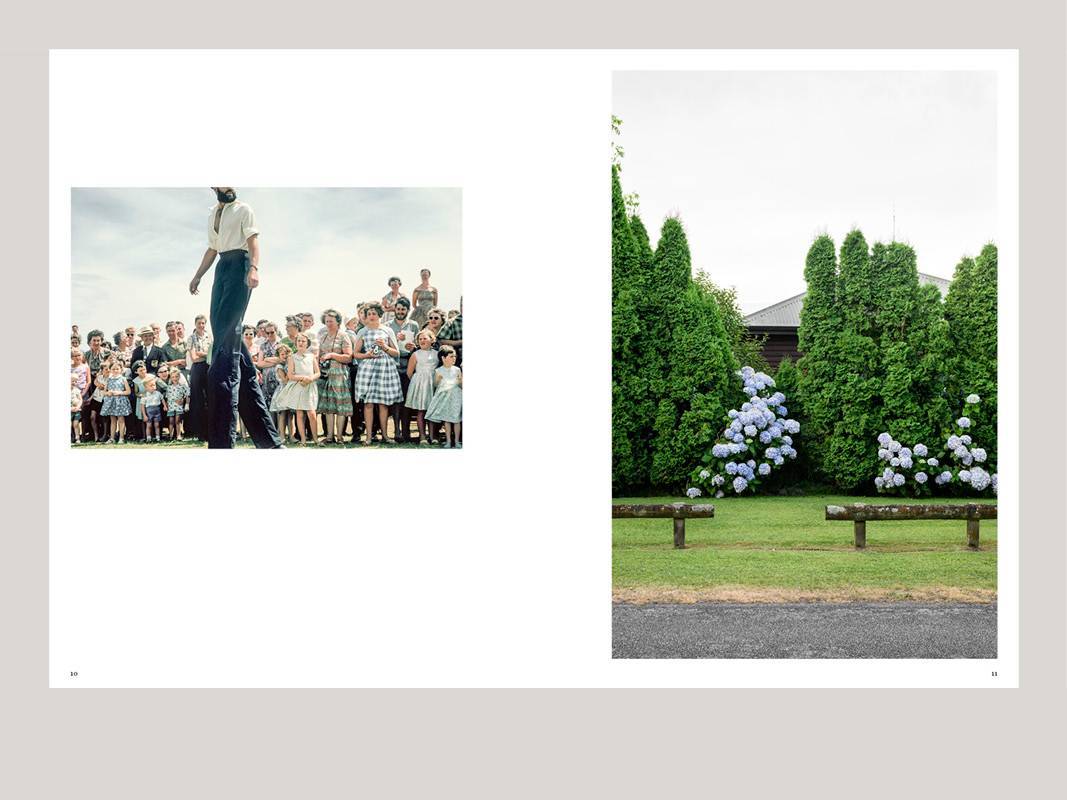
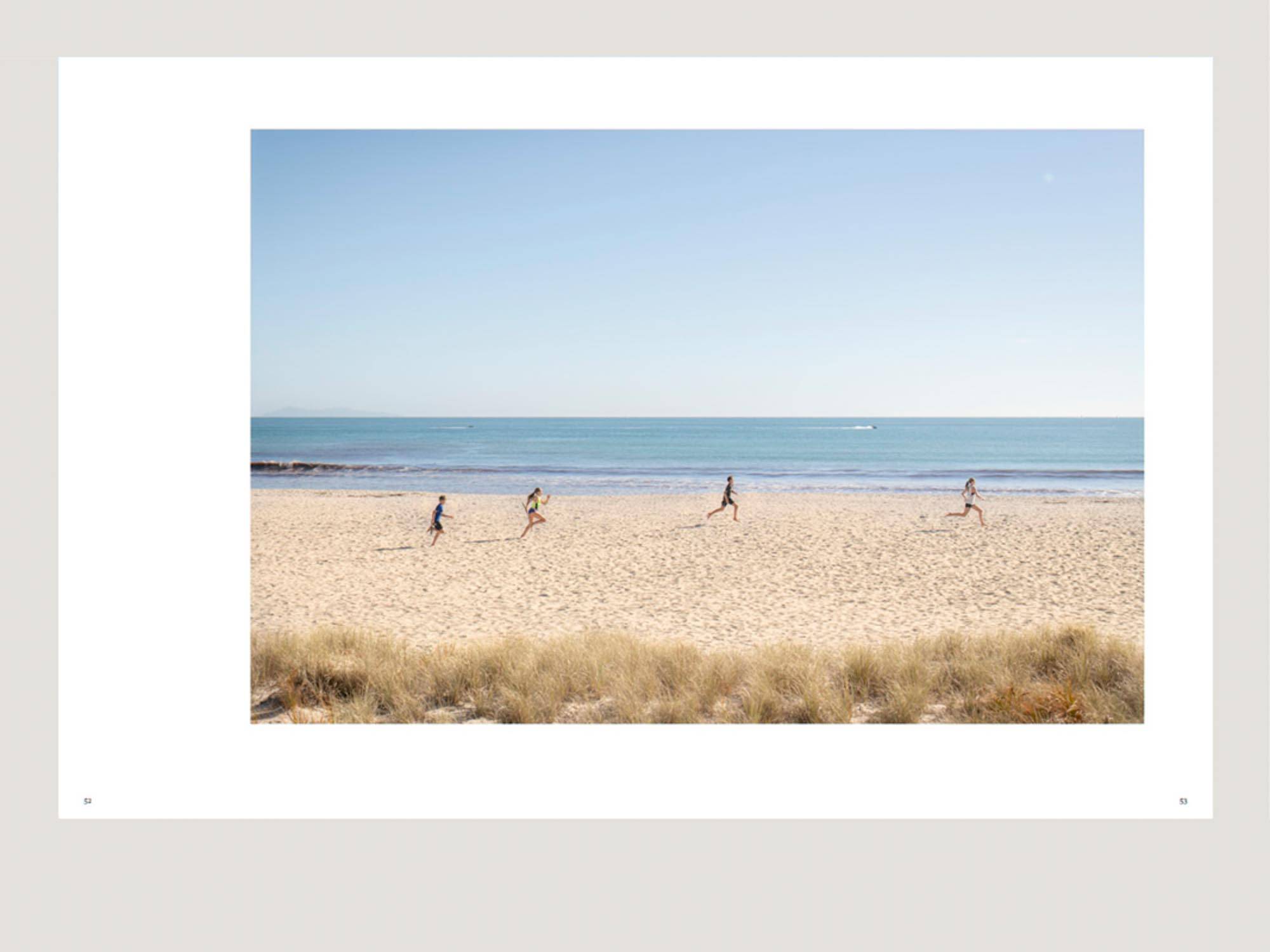
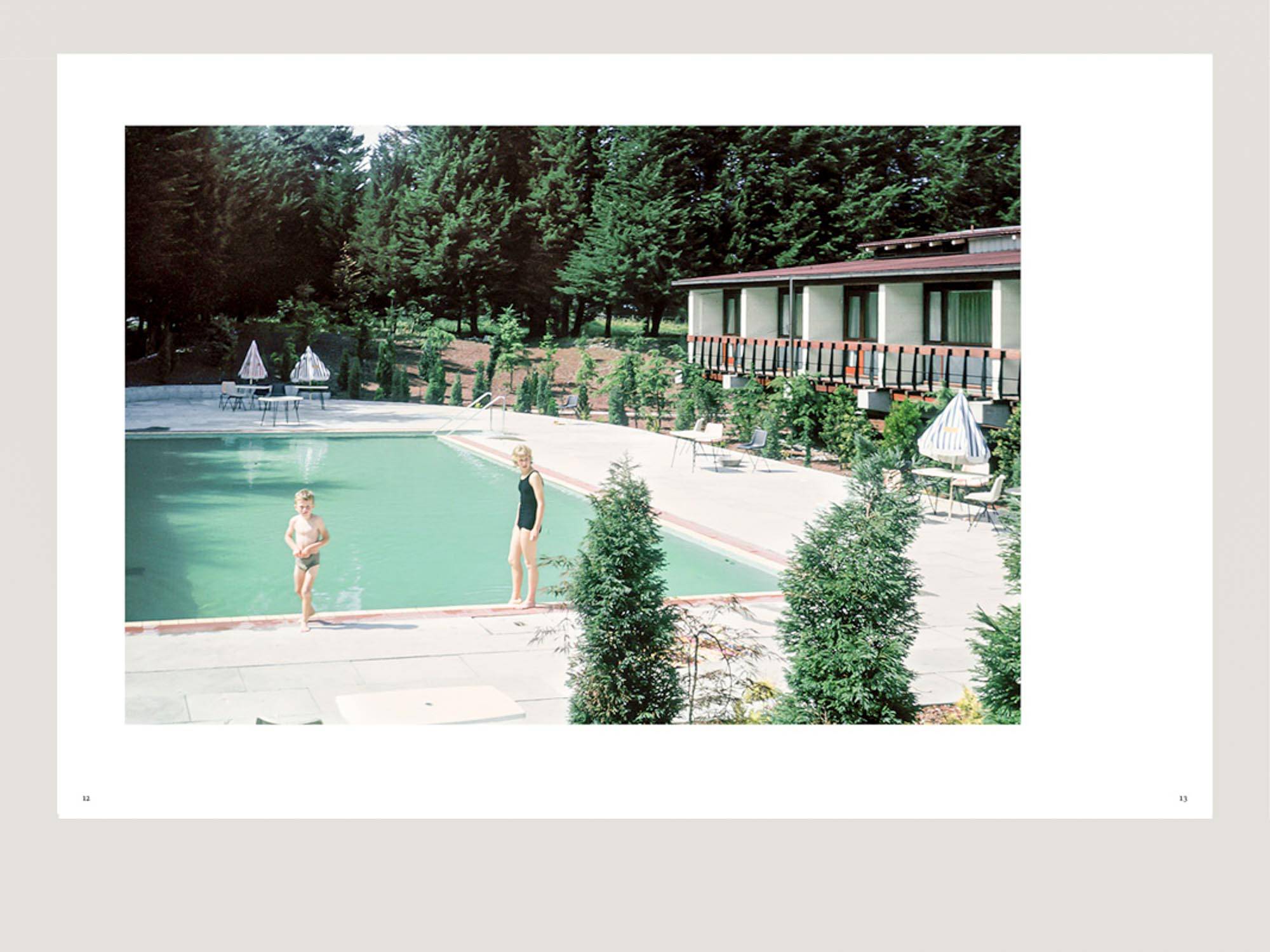
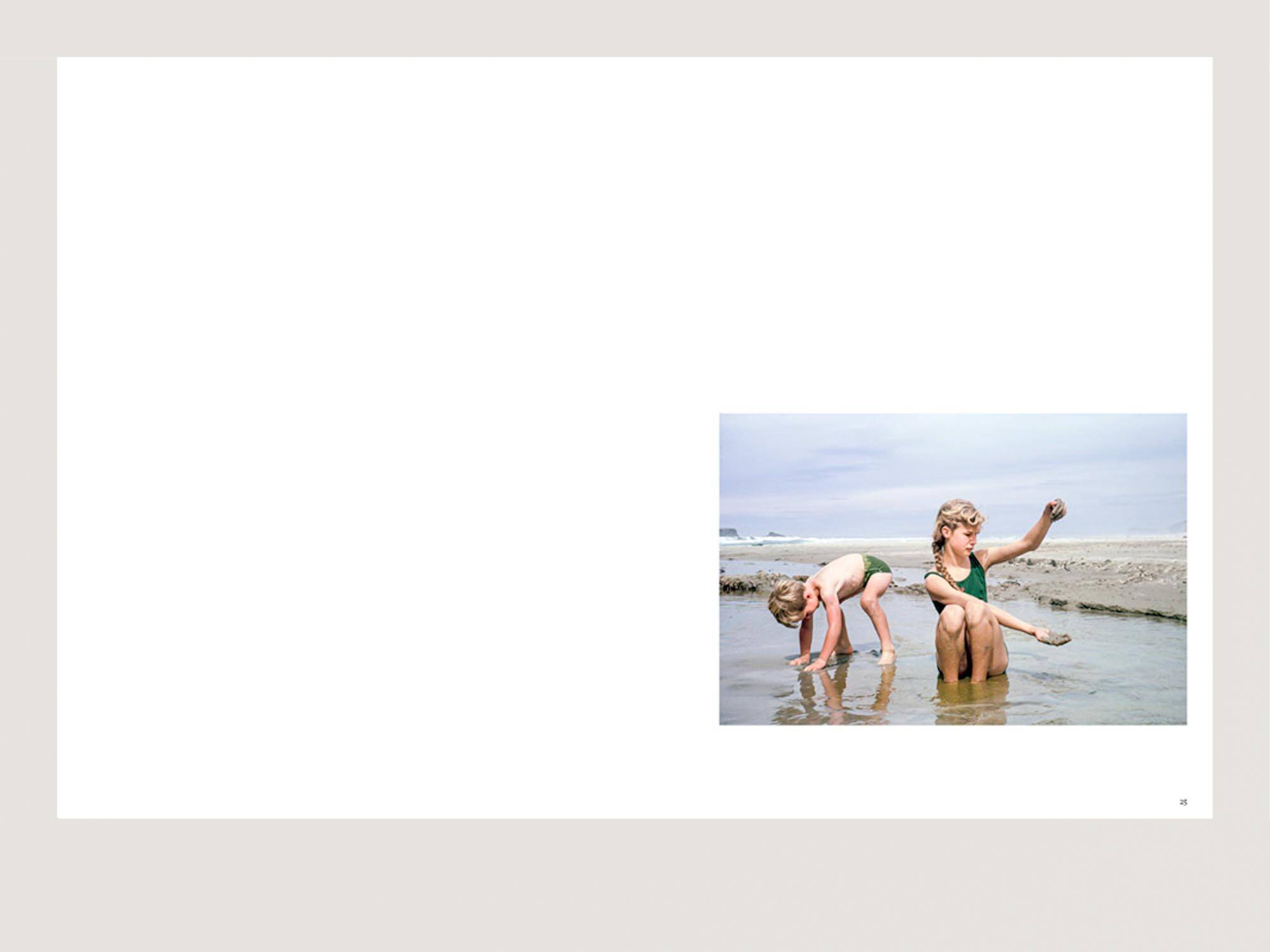
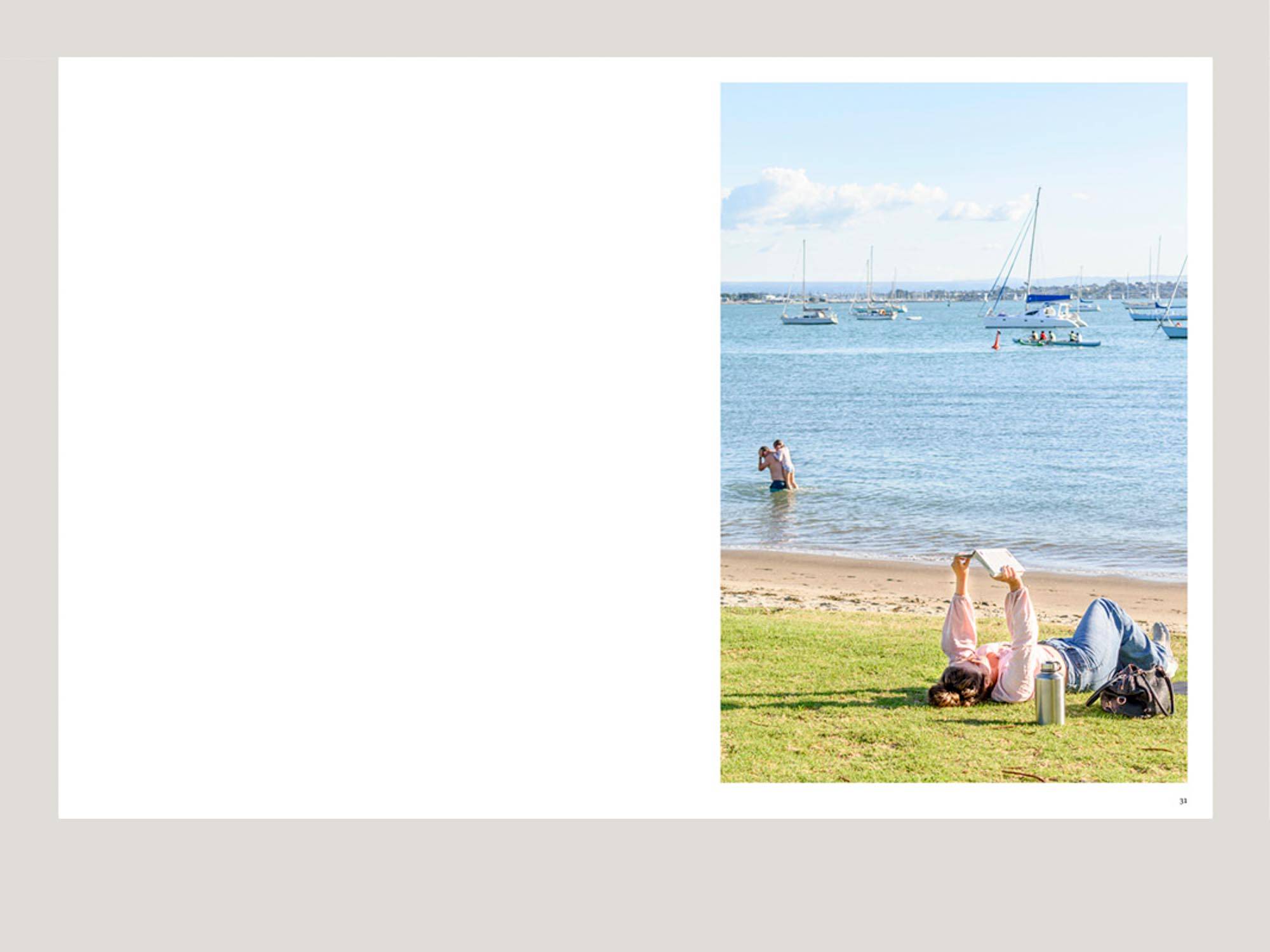
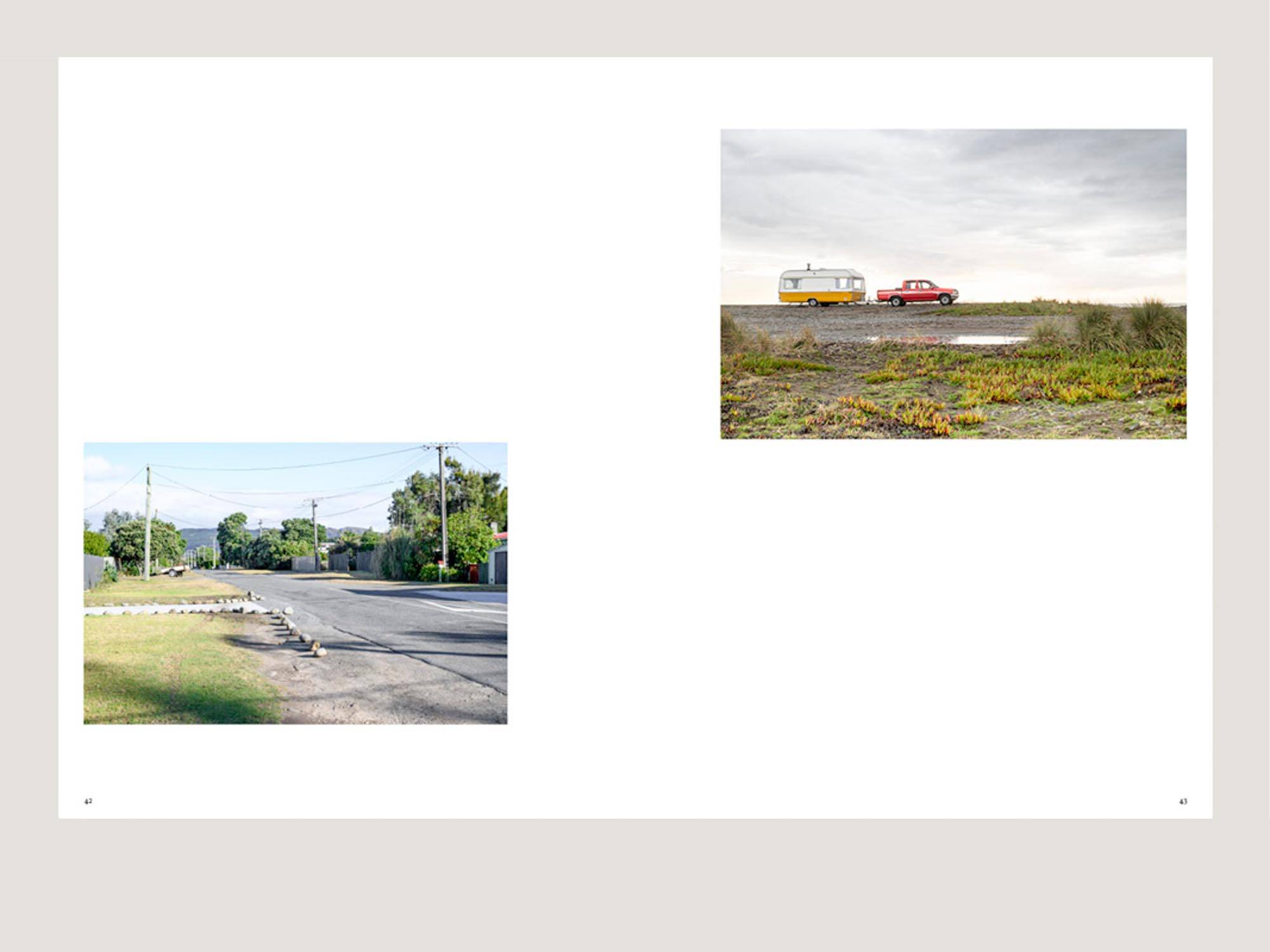
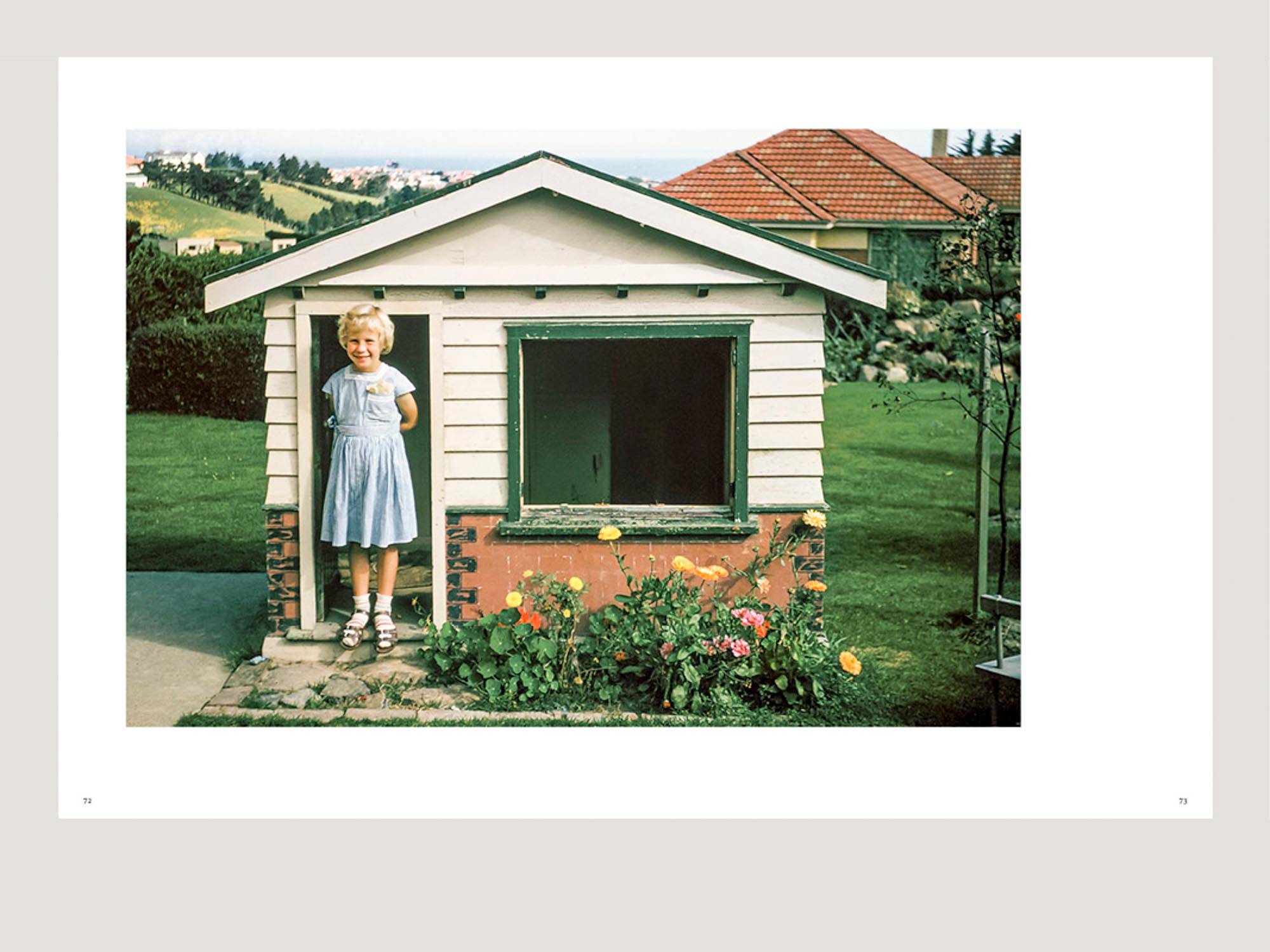
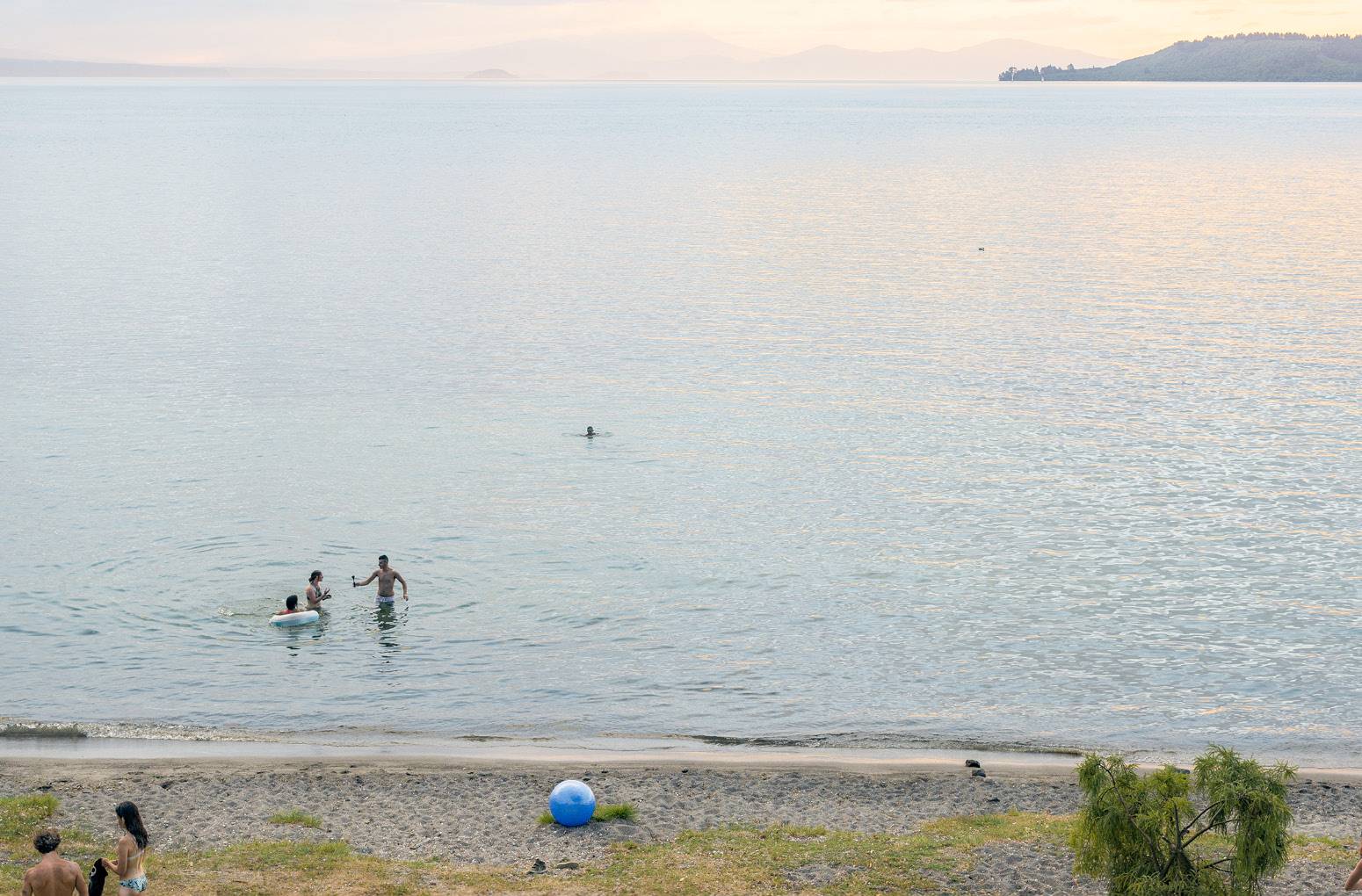
one foot on the bottom is about childhood or the space that childhood once occupied. Using family Kodachrome slides from the 1950s and ’60s taken by her late mother Evelyn, and her contemporary photographs, Mary Macpherson creates a portrait of family holidays by the beach, lake and river. The book is poetic and unexpected and placing the past with the present, so time folds in on itself. The result is an evocative representation of childhood, the power of photographs and our love of spending time by water throughout Aotearoa/New Zealand. The book includes a lyrical essay by Mary.

Artist/writer Gregory O’Brien recently wrote about one foot on the bottom:

‘A kind of child-like intensity and wonder characterises much of the best photography, as it does poetry. Yet there is also a sense of care, nurture and an understated delight in one foot on the bottom which could be described as ‘parental’. Mary Macpherson and her mother Evelyn survey their subjects carefully, thoughtfully and tenderly.  Family is the coastline along which their camera travels, looking towards or away from the ever-recurring sea. 

Evelyn Macpherson’s photographs anticipate her daughter’s – a whispered conversation in the brightness and clarity of a shared world. At the same time, Mary’s photographs carry her mother’s inside them–not as reflections, precisely, but as a lingering music. Where did summer go? How did that summer end? As if a shadow that fell on a wall fifty years earlier might still be found on that wall. For all time. ‘

Mary Macpherson is a photographer and poet from Te Whanganui-a-Tara/Wellington. Engaging with concepts of identity, place and change, her practice responds to emotional and social transformation. She has exhibited nationally across the country, published limited edition photobooks and her work is in many public collections including Te Papa, the Dowse Art Museum, Te Whare o Rehua Sarjeant Gallery and others.


2026

ISBN: 978-1-0670943-0-0

112 pages
270x210x12 mm
54 photographs
Softcover with flaps
Section sewn, layflat binding
Design Mary Macpherson and Katrina Duncan
Editing Peter Black and Mary Macpherson

Edition of 100
RRP $80.00

Add to cart

For all wholesale orders and requests info@rimbooks.com

Place to Place

Place to Place
Matt Arbuckle
with essays by Lucinda Bennett and Emily Cormack

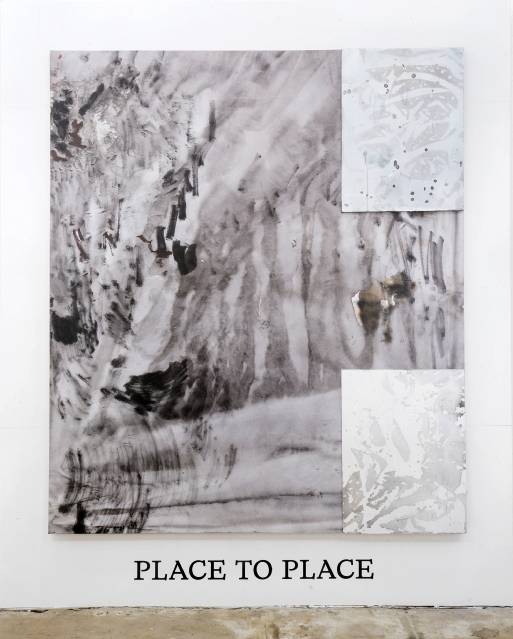
This monograph surveys Matt Arbuckle’s recent works made between 2019 and 2024, with particular attention to two exhibitions: Bow Echo (Two Rooms, Auckland, 2023) and Subduction and Abduction (Daine Singer, Naarm/Melbourne, 2024).

A prolific maker, Arbuckle’s practice is a process-driven exploration of place, with landscapes conceptualised through the very act of their making. Favouring process over outcome, Arbuckle employs elements of traditional Japanese shibori dyeing techniques — wrapping, twisting, folding, and draping fabric over found surfaces and structures — to create abstract compositions. The resulting paintings use depth and movement to trace and reveal abstract memories, imprinting the experience of place into the artwork.

Lucinda Bennett describes Arbuckle’s process as akin to unearthing hidden layers beneath a driveway, shaped by time, chance, and material transformation:

“Arbuckle’s paintings begin on a driveway like mine, are born in the dank,
resilient synthetic fabric soaked in a vat of staining liquid and left folded on
the ground, exposed to the elements, until again they are soaked and folded,
weathered by rain and groundwater, left unlovely to collect grit and sediment in
their knitted polyester grain, the cycle repeating until one lucky day when they
are retrieved, transported inside and laid out to dry, stretched between wooden
bars and lifted off the floor, hung on the wall, finally in the light.

In the light, they are transformed. What once appeared discarded and grimy
has been rehabilitated, not so much scrubbed up as distilled. In the light, dark
seams hold weight, hold earth, might-be landmasses, horizons, islands, opaque
bands of isthmus floating between watery sea and sky.”

The book intersperses Arbuckle’s painted works with a selection of the artist’s
photographs, collected over the same period. These images create further
associations between place and landscape, and the abstract forms borne of the
painting process.

Another essayist in the book, Melbourne-based curator and writer Emily
Cormack, associates the works materiality with earth’s geological process:

“His work unfolds with the story of his site, allowing for the spread of grit
and stain of paint, just as the earth permits the ebb and flow of sedimentary
activity that gives it colour and texture. Because surely the grit from the studio
floor and the twists in a fabric’s surface tell a more resonant story than any
description of them? In this way Arbuckle’s painting processes are an attempt
to bring story and site together and allow one to imprint on the other. . .
Painting is not a written history. In its essence it transmits a story of matter
and material, and of expanse and intimacy. In Matt Arbuckle’s works the past
and the present are folded together, like the sediment of the earth, marking the
moment when story hits substrate. In each of his paintings are the episodic
memories of a child running fingers over the ragged layers of a cave’s
sediment, the crumbling of mineral under thumb; the discovery of fool’s gold,
and the tricks in the soil that tarnish new to old. His works evoke the hidden
tidelines of the earth and the vast unknowns of an imagined, aching, open
seascape.”


May 2025

ISBN: 978-1-99-116528-2

Designed by Felix Henning-Tapley
Soft-cover with flaps |128 pages
265 x 213 mm | colour illustrations
RRP $50.00

Add to cart

For all wholesale orders and requests info@rimbooks.com

an invisible hand

an invisible hand
Stephen Roucher

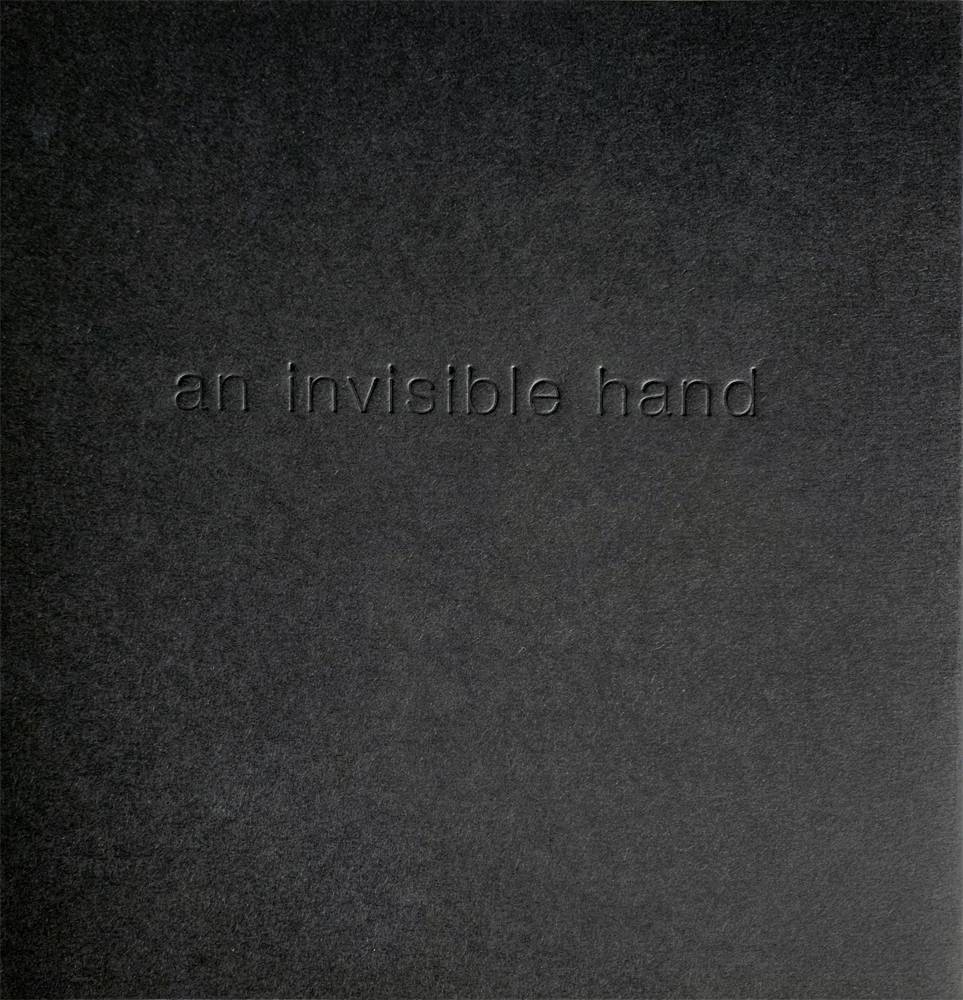
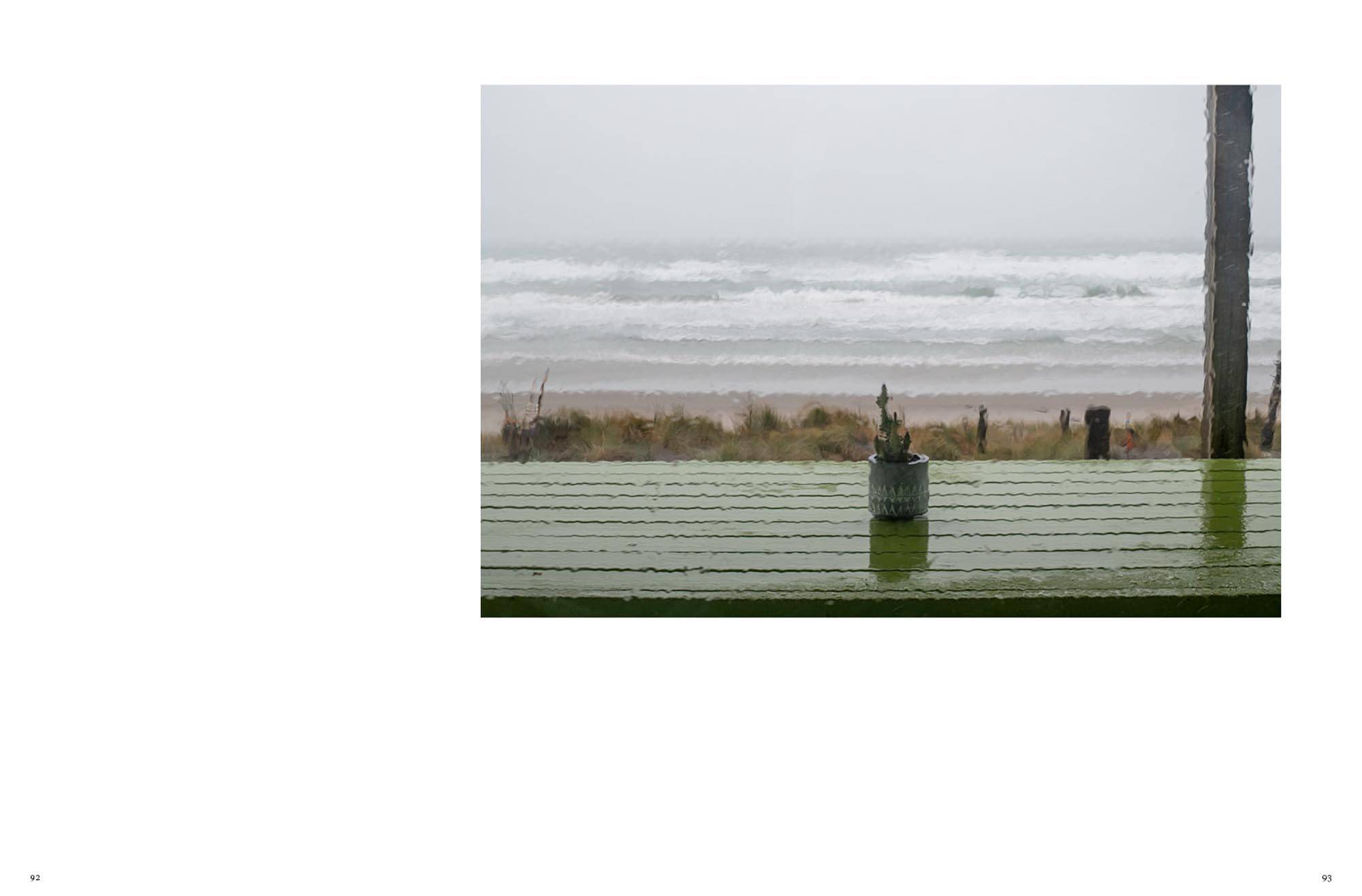
An Invisible Hand is Stephen Roucher’s first artist’s book, from his street photographs made between 2012 and 2022.

In an era where modern technology offers precise navigation and ubiquitous ‘street-view’ convenience, locations are catalogued and made explicit through GPS coordinates and addresses. Commerce and progress drive these technologies, shaping our environment and perceptions of it.

Roucher invites us to consider a machine-driven perspective from another era with his black-and-white photographs made using a view camera, a cutting-edge technology of the 19th century that radically reshaped our perceptions of the world. He captures the urban landscape not with the precision of contemporary tools but with an eye for the timeless and the unseen. The photographs delve into the nuances of public spaces, the rejuvenation of forgotten corners, and the artifacts of once-daily technologies now obsolete. Roucher juxtaposes the meticulously catalogued present with a more ambiguous, reflective view. The book brings to life locations vaguely referenced, ideas repurposed, and the subtle transformations of environments in constant flux. These photographs serve as a testament to the invisible hand guiding our perceptions and interactions with the world.

Stephen Roucher is an independent photographer, based in Wellington Te Whanganui-a-Tara. Since graduating from Elam School of Fine Arts in 1995, he has accumulated an archive of conceptually focused series of photographs, depicting the urban and rural environments. His practical experience in the process of photography, both analogue and digital, informs his approach to making his art. He had solo exhibition ‘Stands’ (series of stands mostly from rural sports fields) at Whangarei Art Museum in 2011 and McNamara Gallery, Whanganui in 2012, ‘Void’, an installation in the iconic TestStrip gallery in Auckland in 1995. His photographs were featured in many group shows – including in Now & Then: Enduring and developing themes in contemporary New Zealand photography, Te Manawa, Palmerston North, in 2012.     


June 2024

ISBN: 978-1-99-116527-5

Pages: 108pp, with offset duotone
Format: card jacket, section sewn
Dimensions: 245 x 240 x 11mm
RRP $75.00 (limited hand-bound edition of 150)
Add to cart

For all wholesale orders and requests info@rimbooks.com

VIEWSHAFT

Viewshaft
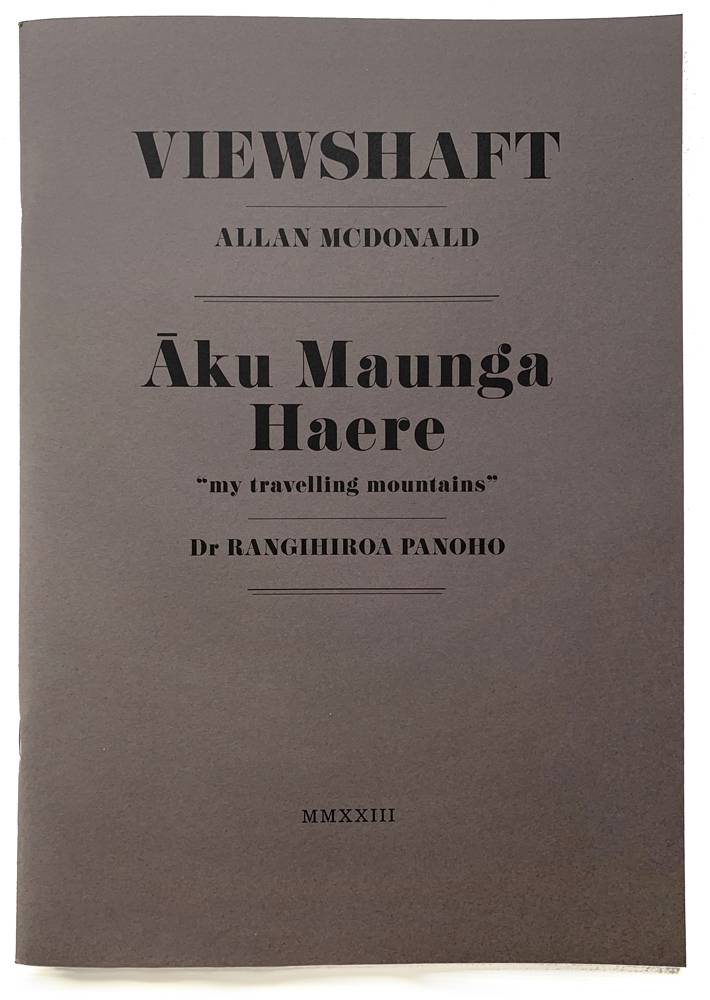
Allan MacDonald and essay by Rangihiroa Panoho. Designed by Jonty Valentine

Viewshaft is a geo-linquistic drift, from north to south, through the volcanic fields of Tāmaki Makaurau. It shows mountains still to be seen, and others that are not. Except sometimes through the photographs or words of those who felt a need to describe them at the time. Those words and images come into play here, through the writings of geologists Firth, Searle and Hayward, and also through the influence of two small but notable publications, Auckland’s Unique Heritage: 63 Wonderful Volcanic Cones and Craters. An Appeal to Save Them (1928) and Auckland Volcanic Cones: A Report on Their Condition and a Plea for Their Preservation (1957). Both were attempts to preserve Auckland’s volcanic features at a time when they were being rapidly consumed by twentieth century demands. Viewshaft is accompanied by an essay by Dr. Rangihiroa Panoho, ‘Āku Maunga Haere’ (my travelling mountains).

Viewshaft is testimony to his continuing gaze at the volcanic maunga that have an iconic presence in Tāmaki Makaurau. Aucklanders live on and in the shadow of these maunga and the recent public debates about how their tihi ‘their sacred high points’ are planted and the replacement of exotic with natives shows just how much passion these natural forms generate. Tāmaki Makaurau is indeed still a land ‘desired by hundreds of lovers'”. Dr. Rangihiroa Panoho

Read the full reflection on the book and exhibition by Dr. Rangihiroa Panoho


2024

ISBN: 978-1-99-116526-8

Pages: 46pp, with colour reproduction
Format: Soft cover saddle-stitched
Limited edition 200: signed and numbered
Dimensions: 298mm x 210mm
RRP $60.00

Add to cart

For all wholesale orders and requests info@rimbooks.com

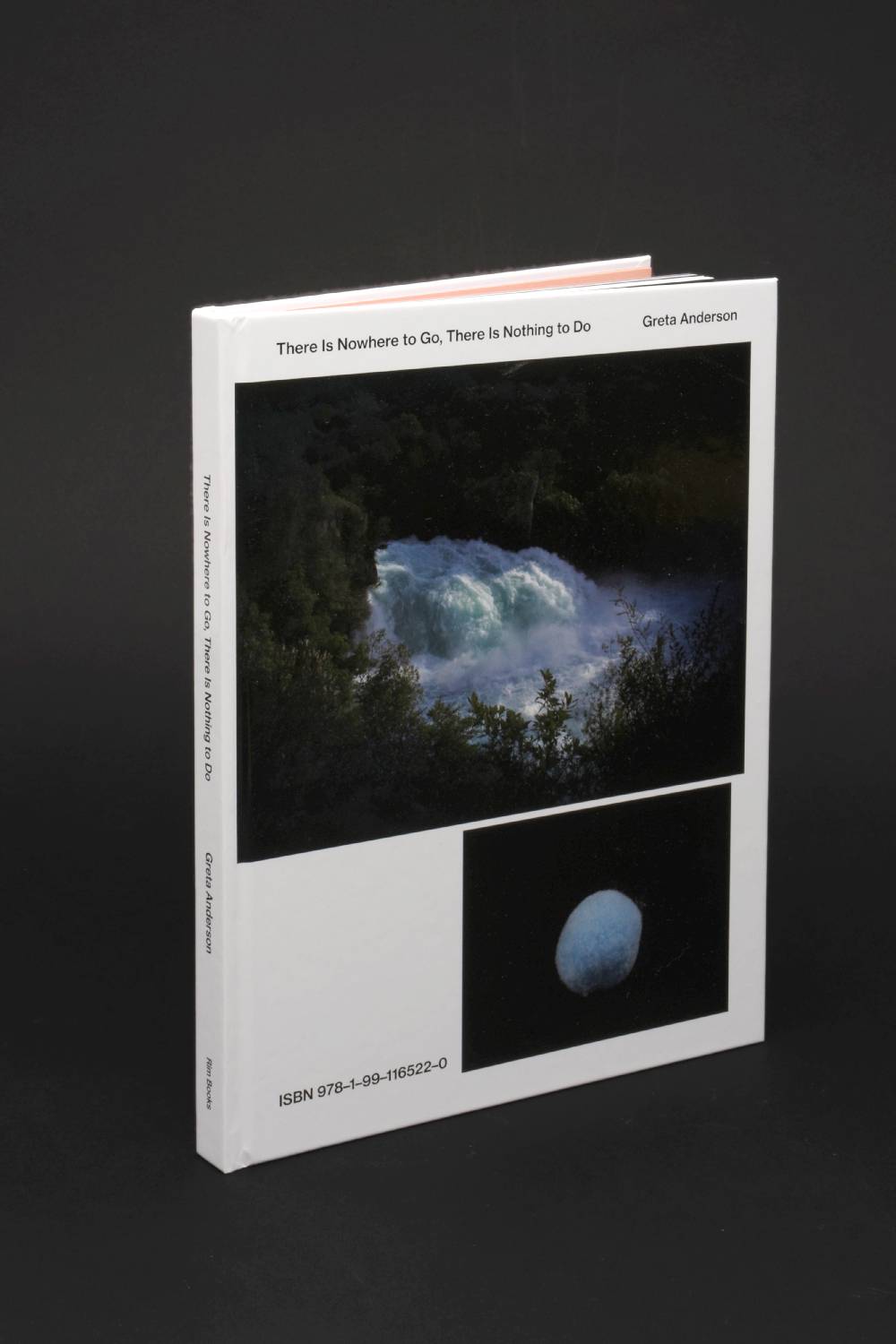
There Is Nowhere to Go, There Is Nothing to Do

There Is Nowhere to Go, There Is Nothing to Do
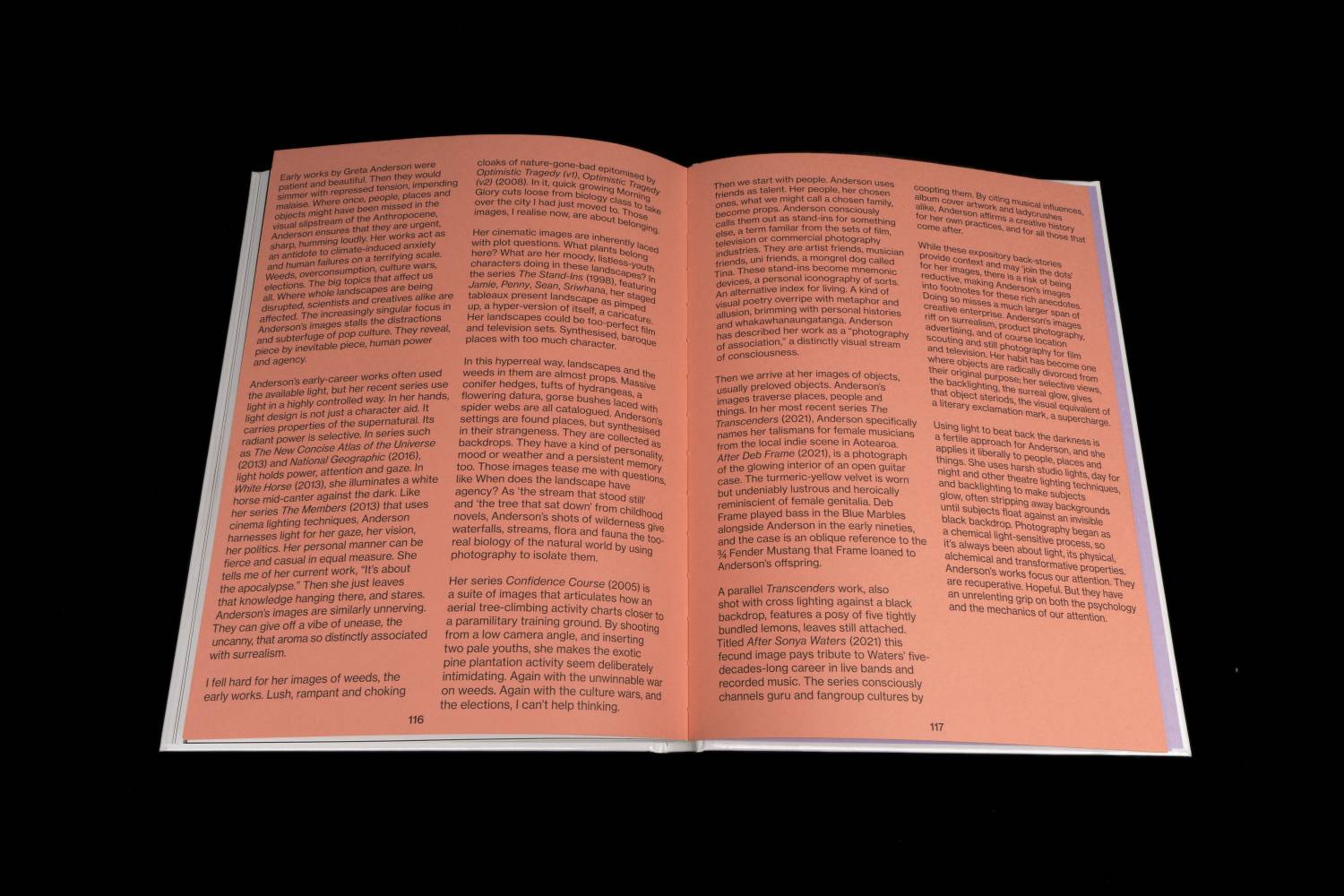
Greta Anderson with essays by Hanna Scott and David Eggleton

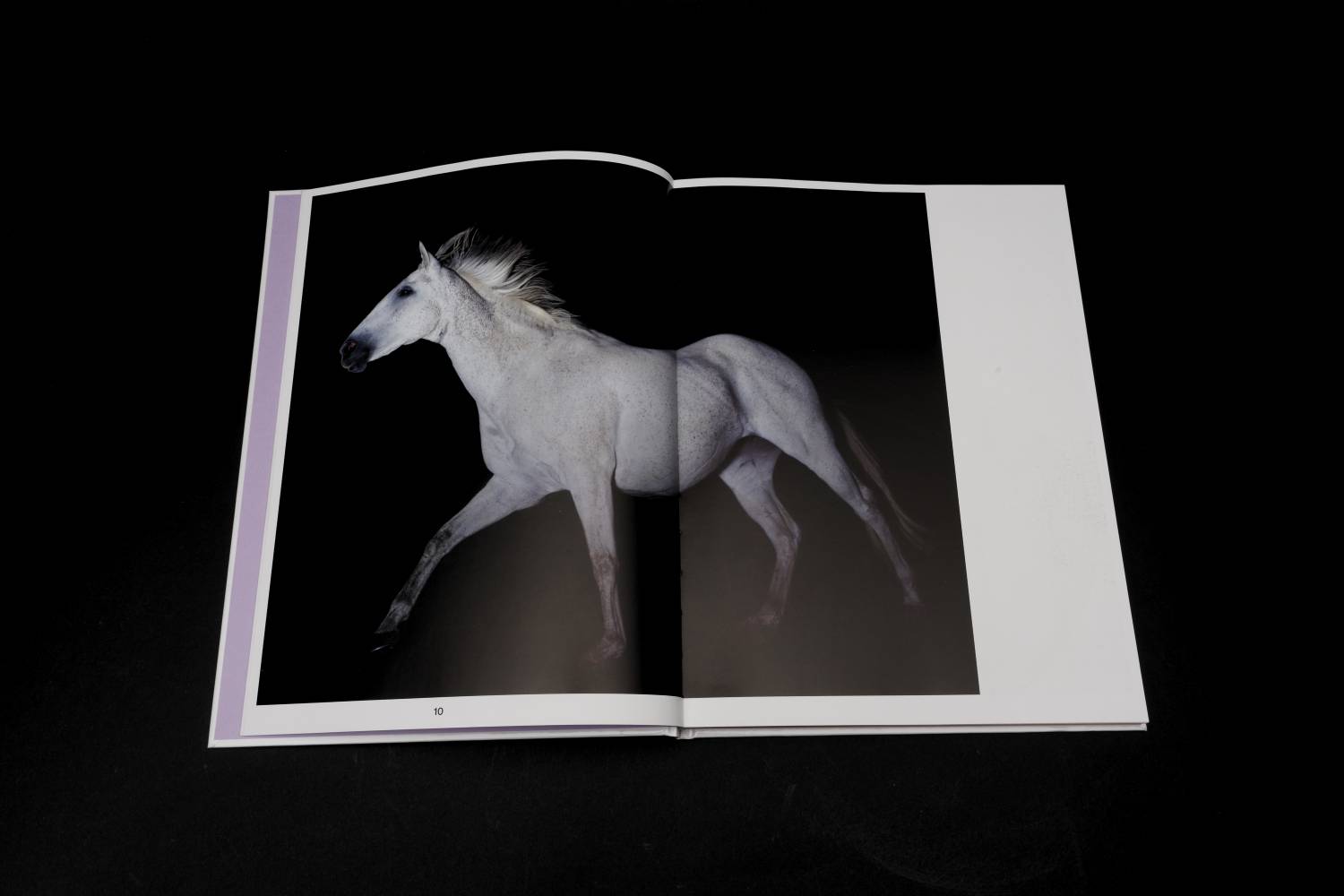
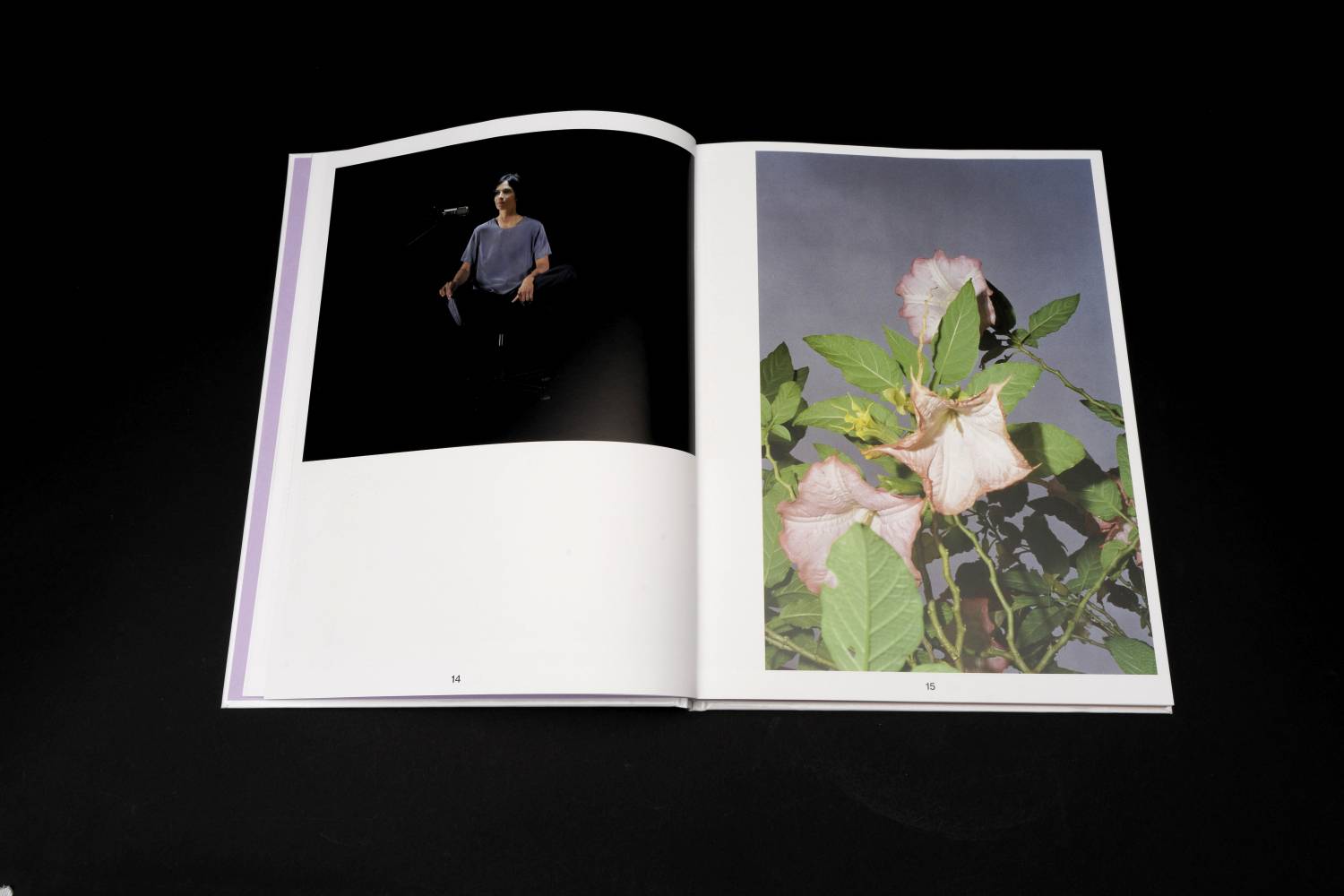
“In Greta’s images ordinary things radiate mystery, haloed by an ecstatic glow. Her pictures traverse eerie latitudes; they are brushed by the phantasmagoric; they pulse with a visceral brightness.”
At the Edge of a Dark Forest, David Eggleton

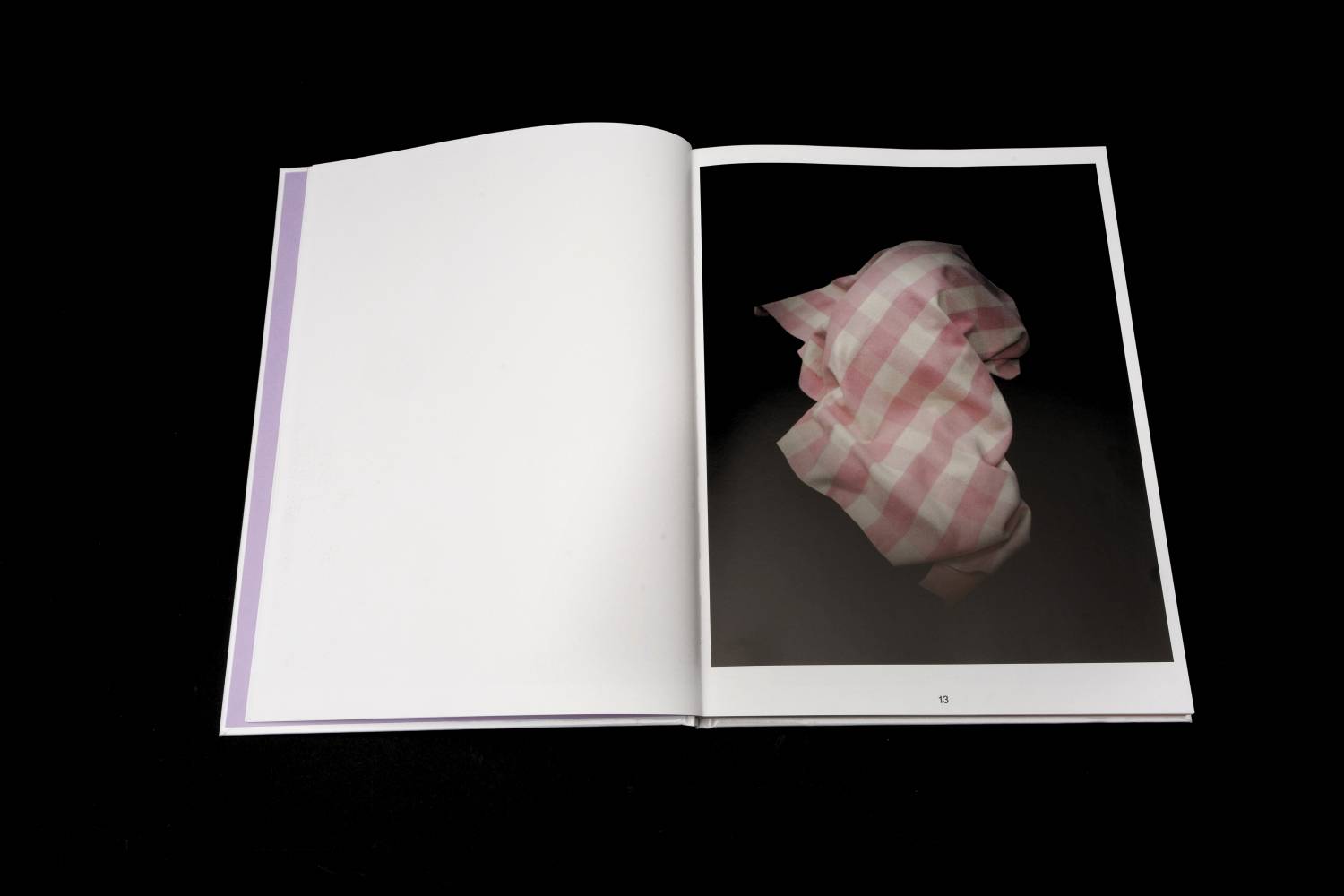
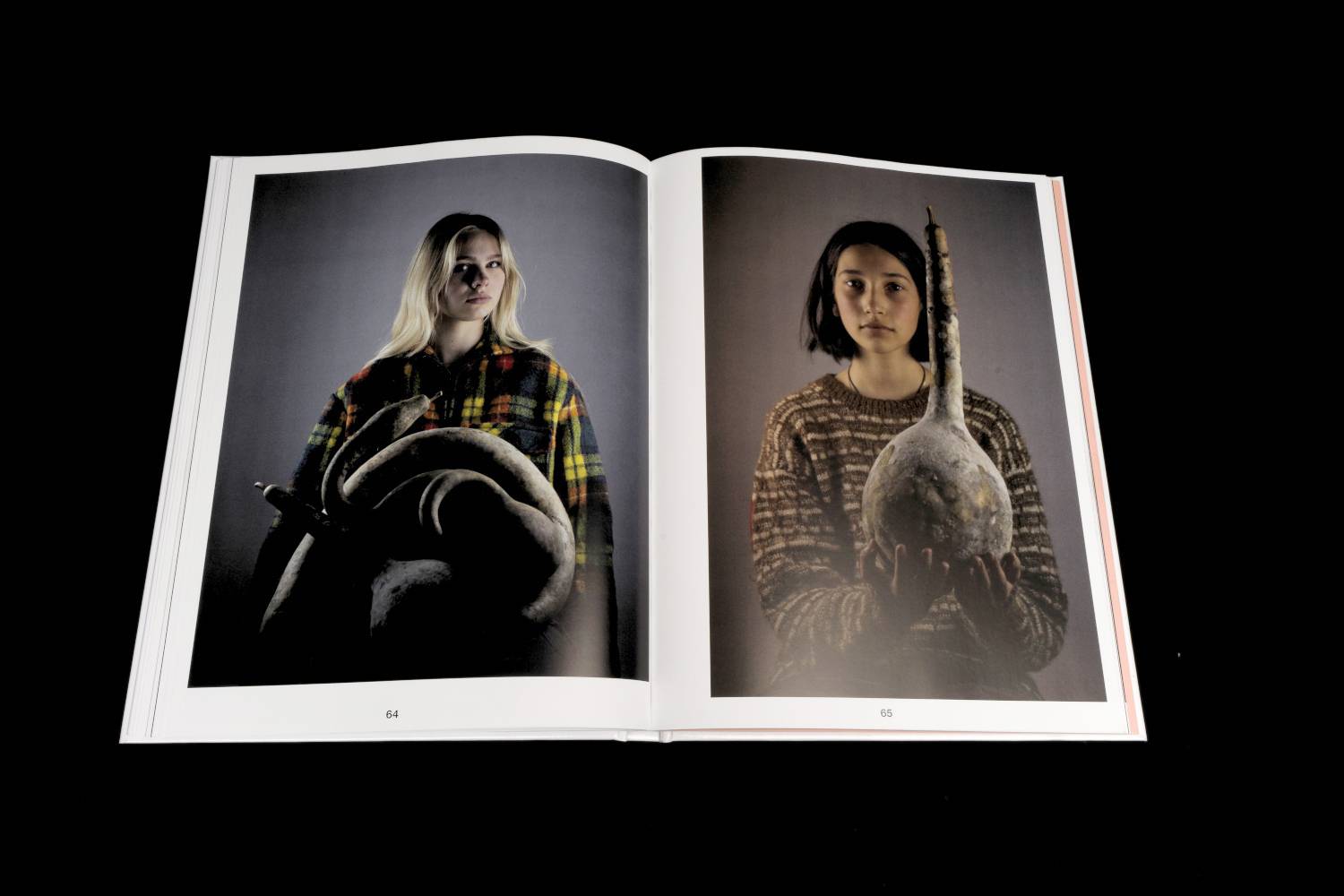
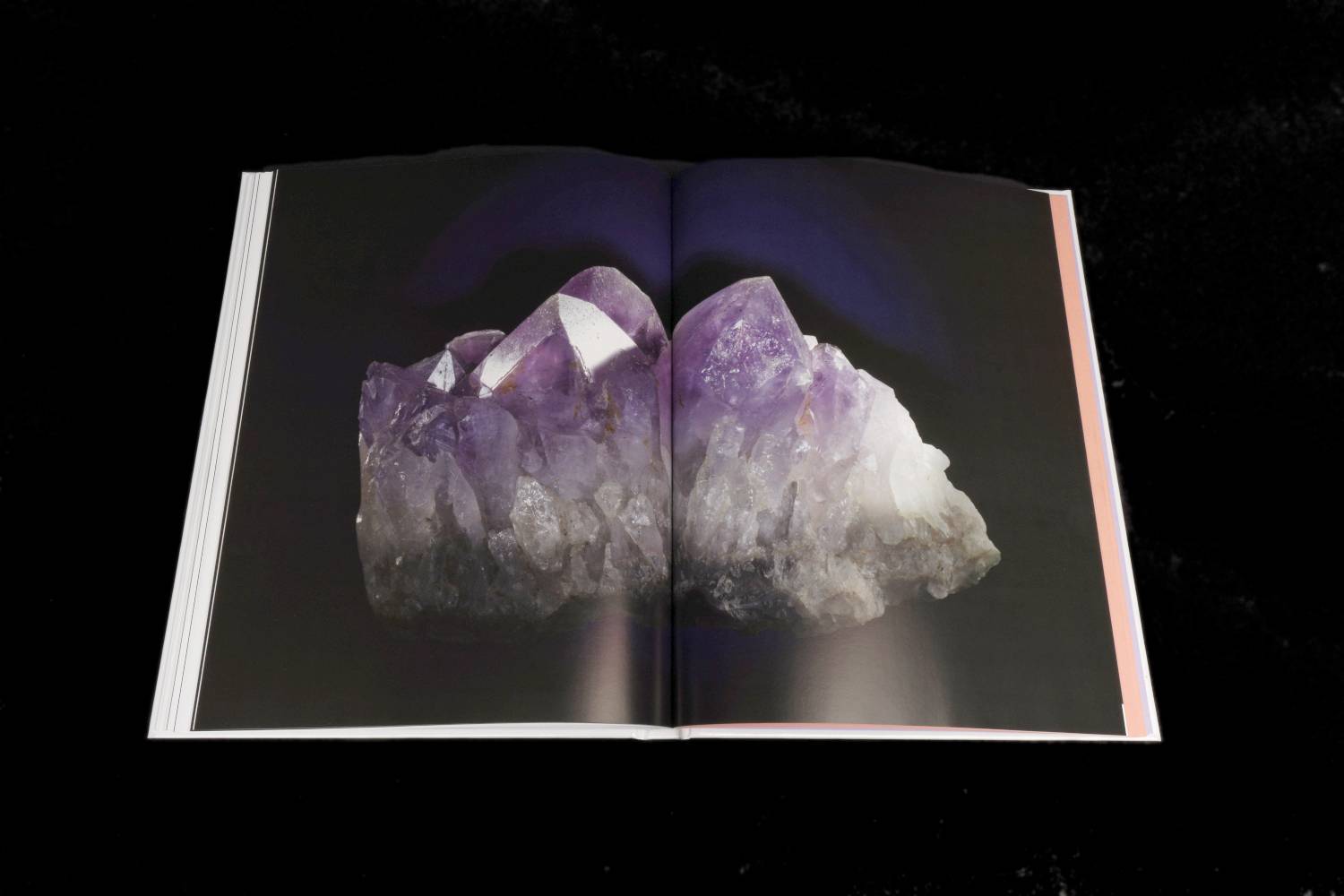
This book brings together a selection of photographs produced between 1997 and 2022 by Tāmaki Makaurau based artist Greta Anderson, a prolific photographer, film maker and musician. For over a quarter century, Anderson has been capturing dramatic scenes in films and photographs that quietly reference intensely personal narratives. There Is Nowhere to Go, There Is Nothing to Do presents Anderson’s works, covering genres as wide as portraits, still life, wild and domesticated landscape and suburban tableau. The book is curated and designed by New Public, offering a fresh juxtapositions of images from a wide range of series and one-off artist books Greta made over the decades, from the classic Stand-ins (2001), Uncomfortable Conversations (2005), Optimistic Tragedy (2008), to more recent No Hording (2021) and The Transcenders (2021).

The book features two newly commissioned essays by long-time friend and supporter of Greta’s work, Hanna Scott, and esteemed poet laureate David Eggleton.

Listen to Greta Anderson’s strange, psychically charged images of the ordinary Culture 101, RNZ – fun-facts-filled interview with Greta Anderson by Mark Amery.

Greta Anderson is an Aotearoa New Zealand musician, photographer and teacher. She exhibits regularly at Two Rooms Gallery in Tāmaki Makarau Auckland. Her work has been shown at many venues for international contemporary art and photography including The Australian Centre for Photography (Sydney), The Museum of Photographic Arts (San Diego), The Ringling Museum of Art (Sarasota, Florida) and the Art Gallery of New South Wales (Sydney).

David Eggleton is a writer based in Ōtepoti Dunedin. He was the Aotearoa New Zealand Poet Laureate 2019 -2022. He has won a number of awards for his writing, including the Prime Minister’s Award for Literary Achievement in 2016. His books include Towards Aotearoa: A Short History of Twentieth Century New Zealand Art; and Into the Light: a History of New Zealand Photography; and Ready to Fly: the Story of New Zealand Rock Music; and Seasons: Four Essays on the New Zealand Year. He is a regular art reviewer for a variety of publishing platforms.

Hanna Scott met Greta Anderson as the newly-minted Interim Director at Artspace on Karangahape Road in 2002. She has written about Greta’s work four times over two decades. Twice for the NZ Journal of Photography, for Landfall and for Art New Zealand. Hanna is an experienced contemporary art curator, programme manager and researcher, based in Tāmaki Makaurau since 2002. Her writing is published in broadsheets, magazines and books in Australia, Indonesia, Singapore, New Zealand and the USA.

New Public is a design and publishing project based in Tāmaki Makaurau. It collaborates with artists and institutions to exhibit research devoted to the discussion of contemporary visual and material culture. Titles include On the Last Afternoon: Disrupted Ecologies in the work of Joyce Campbell, Sternberg Press, Berlin, and Adam Art Gallery Te Pātaka Toi at Te Herenga Waka–Victoria University, Te Whanganui-a-Tara Wellington, 2020; Qianye Lin and Qianhe ‘AL’ Li,Thus the Blast Carried It, Into the World 它便随着爆破, 冲向了世界, Coastal Signs and New Public, Tāmaki Makaurau Auckland, 2021; The Dialogics of Contemporary Art: Painting Politics, Kerber, Bielefeld and Berlin, 2022.


2023

ISBN: 978-1-99-116522-0

Pages: 128pp, with colour reproduction
Format: Hardback
Dimensions: 288mm x 220mm
RRP $50.00

Add to cart

For all wholesale orders and requests info@rimbooks.com

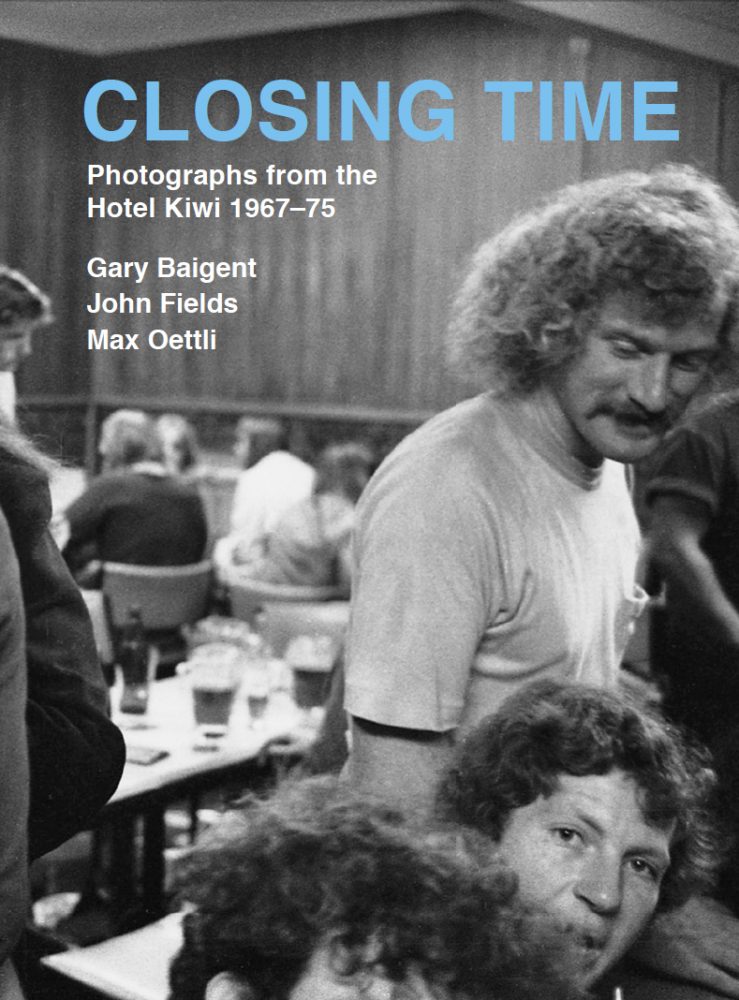
Closing Time: photographs from the Hotel Kiwi 1967 – 1975

Closing Time: photographs from the Hotel Kiwi 1967 – 1975
Gary Baigent, John Fields and Max Oettli
Featuring texts by Elizabeth Eastmond, Ted Spring and the photographers

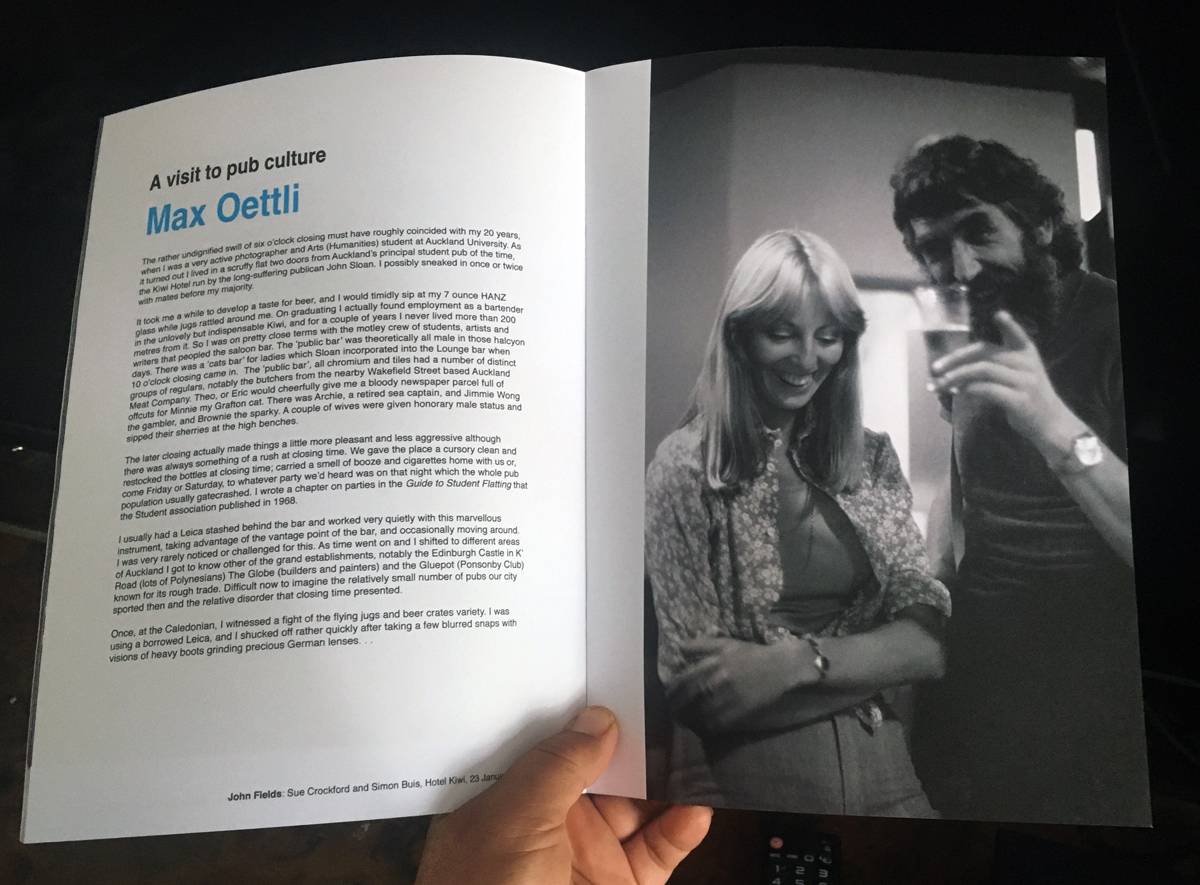
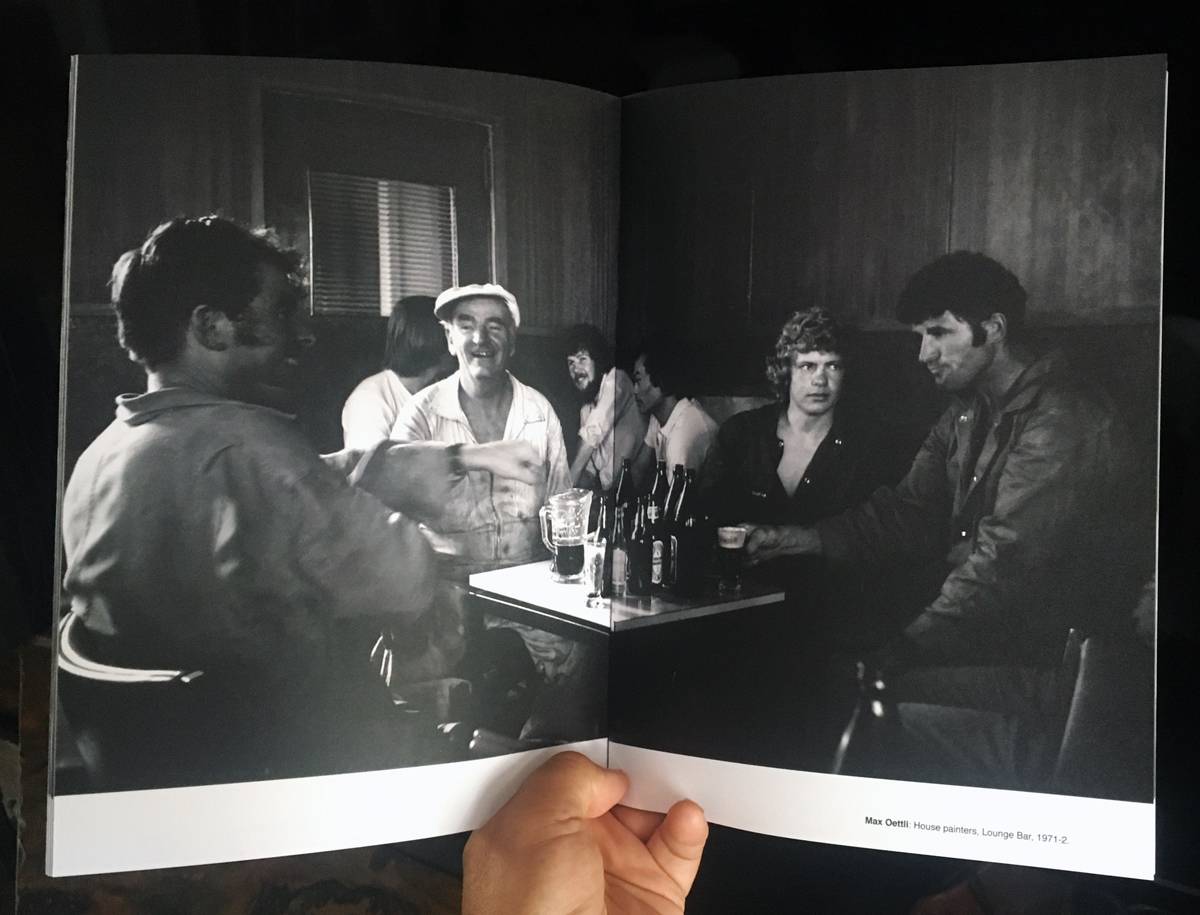
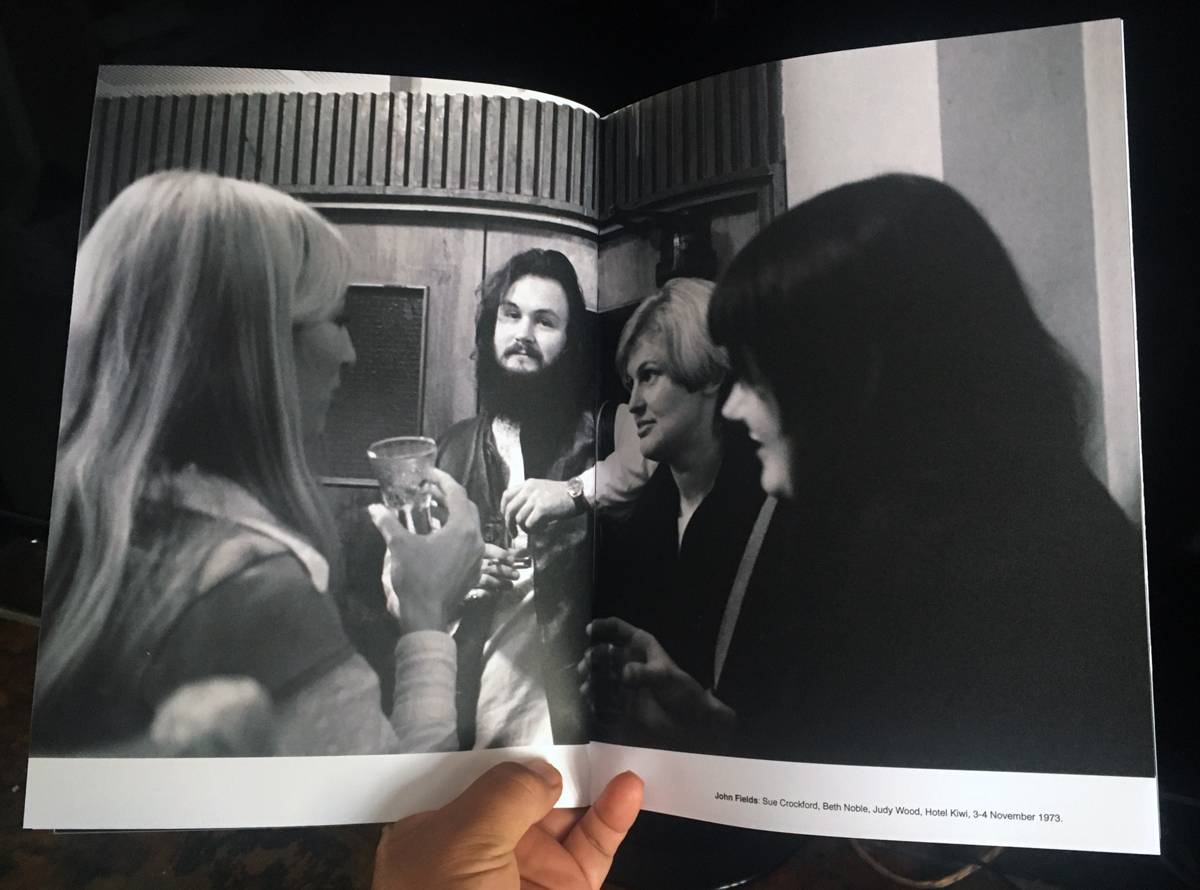
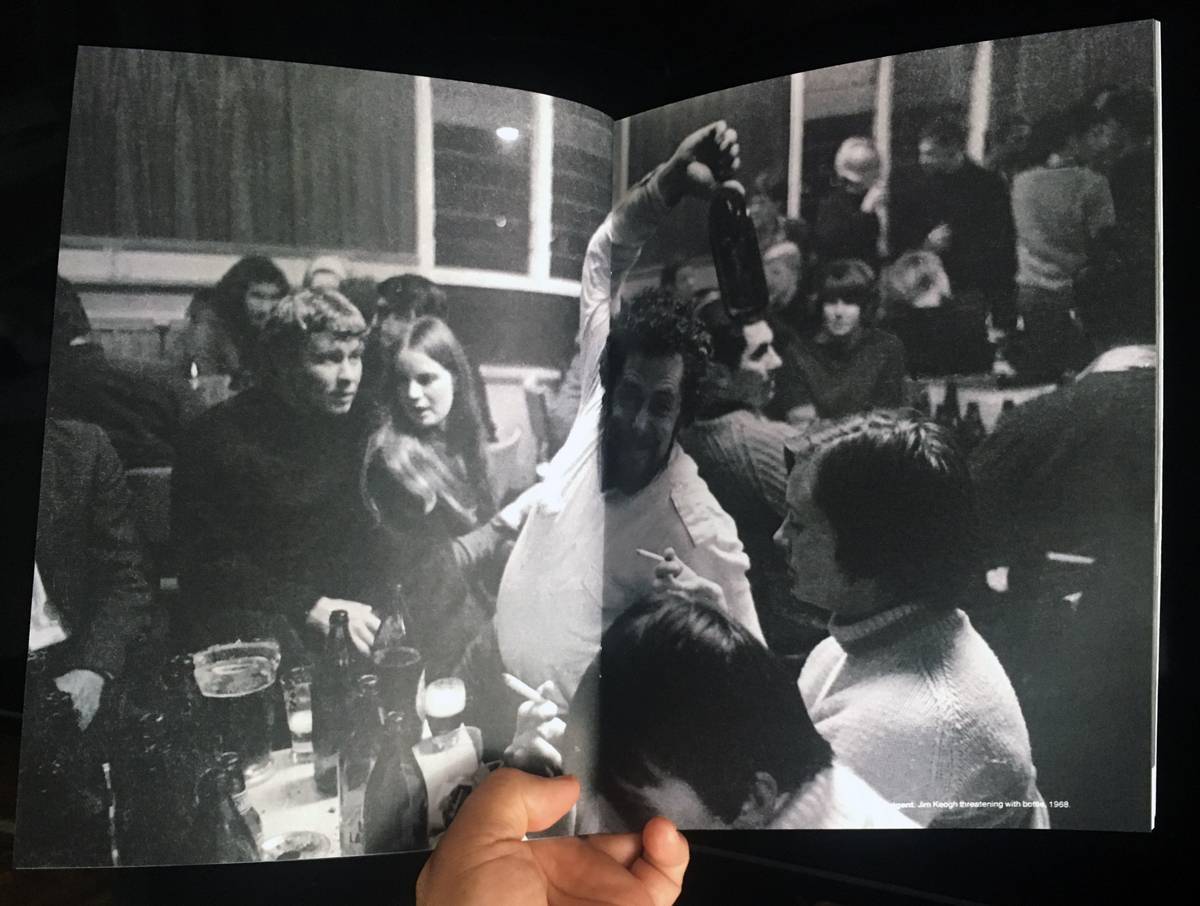
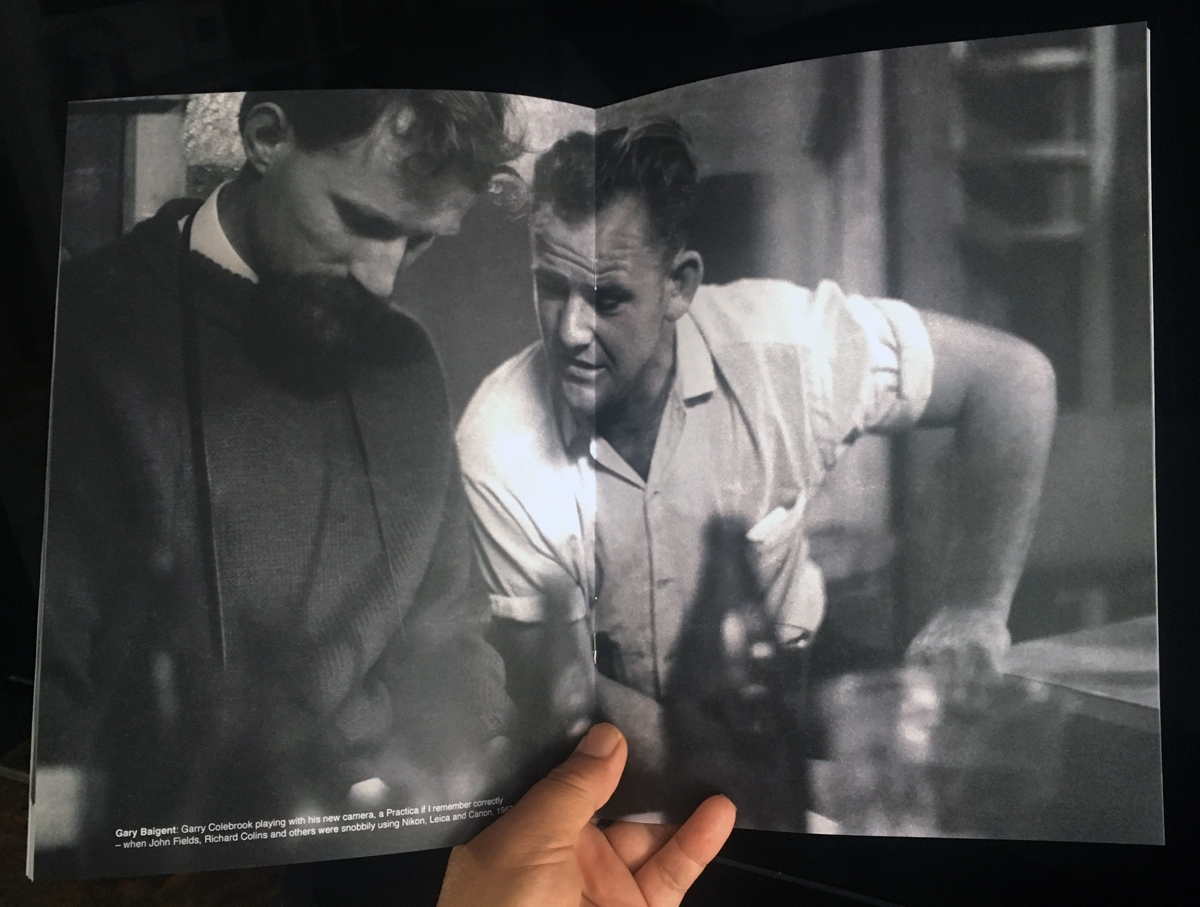
This limited edition zine-style photobook feature the photographs made at the bars of Hotel Kiwi from the archives of three photographers, who have all, in their own way, contributed to the development of early contemporary art photography in New Zealand.

Hotel Kiwi was situated at the corner of Wellesley and Symonds Streets in Auckland – close to the University and the Elam School of Fine Arts. Described in The Pub-Goer’s Guidebook (1966) as “Built almost entirely of formica and rubberised floor tiles, with the whole place giving out a general lavatorial atmosphere, it surely represents all that a pub should not be . . . The only feature of the place that is at all remarkable – and the only reason for giving it a ½ an award are the barmen. They are possibly the best we encountered anywhere.”

Max Oettli found employment as a bartender at Hotel Kiwi after graduating from University of Auckland in the late 1960s. He carried his Leica camera on the job, photographing the varied patrons of the old and new, around the time ‘six o’clock swill’ was scrapped to more civilised 10pm closing. As well as the Hotel being the go-to student bar, artists and photographers – many associated with the art school – frequented the bar and are captured in this booklet. Max is joined by fellow ‘New Photographers’ Gary Baigent and John Fields, (a title coined by Athol McCredie in his exhibition, The New Photography at Te Papa), who photographed their friends and acquaintances at Hotel Kiwi at the time.

Together, they immortalise the punters, photographers, artists and poets as well as art dealers in action: Glenn Busch, Simon Buis, Allan Leatherby, Paul Gilbert, Garry Colebrook; Colin McCahon, Pat Hanly, Peter Eyley, Harry Wong; Sue Crockford and Rodney Kirk Smith, just to name a few.

This book also features texts by Elizabeth Eastmond, who lectured in the Art History department and Ted Spring, then a student at Elam recollecting their time spent at ‘the Kiwi’, in conjunction with field notes and recollections from the three photographers.

“Here, is the wisdom and failings of age, the impetuosity and rudeness of youth, all jammed into a room, thick with smoke and drumming with noise. Conversations are a spectrum in themselves ranging from worn clichés and small talk to nuclear physics, with plenty of spread thighs and cock jumbled in from both sexes.” From John Fields’ dairy, 21 February 1969.

Gary Baigent is a key figure in the emerging moment of contemporary New Zealand photography of the late 1960s. Born in Wakefield, Nelson, in 1941 he majored in painting at the Canterbury University School of Fine Arts, Christchurch from 1960 to 1962. Baigent began working on The Unseen City: 123 photographs of Auckland, a book on Auckland’s urban life, published in 1967, with its contrasty, grainy images shot on the streets, in backyards and pubs, on the wharves and in student flats. The book was polarising but it also helped stimulate a new style of photography.

John Fields (1938-2013) was born in Massachusetts, USA and was educated in Rockport, a New England artists’ colony. He learned to photograph while in the US Navy and became a commercial photographer in the early 1960s before working as a specialist in electron microscope imaging at the Massachusetts General Hospital. He emigrated to New Zealand in 1966 to continue working in this sphere at the University of Auckland. He also brought an expectation that photography was better recognised within the arts in his adopted country. To this end in 1970, he organised a cooperatively published booklet of the work of ten contemporary photographers, Photography: A visual dialect – the first such publication in New Zealand. He was also responsible for one of the first exhibitions of contemporary photography at a dealer gallery: a group exhibition at Barry Lett Galleries in 1972.

Max Oettli was born in Switzerland in 1947 and migrated to New Zealand with his family in 1956. He was brought up in Hamilton and was a trainee press photographer at the Waikato Times over university vacations from 1966 to 1969. He applied this experience to his work on the student newspaper Craccum while he studied English, history and art history at the University of Auckland. From 1970 to 1975 Oettli was a technical instructor in film and photography at the University of Auckland Elam School of Fine Arts. For some of this time, he was also the founding president of PhotoForum, a group advocating for and promoting expressive photography.

(Biographies are extracts from the Te Papa website)

RRP $40.00

Add to cart

Soft-cover, saddle stitched | 56 pages (indigo uncoated 100gsm)
285x 210 mm | Limited edition of 150
ISBN 978-0-9951184-9-2
Publication: March 2022

For all wholesale orders and requests info@rimbooks.com

Jellicoe & Bledisloe

Jellicoe & Bledisloe
David Cook

When David Cook moved to Hamilton East, he was drawn to the colourful and creative lives of his neighbours. With camera in hand, he explored everything from front-yard mechanics to Sunday roasts, creating an intimate documentary of a State Housing suburb in the 1990s, moments before gentrification set in. In this energetic photobook, we look back twenty-five years to see burgeoning issues of relevance today: housing, bi-cultural relations, social welfare, and freshwater quality, all brought to us through the lens of daily life.

The title, Jellicoe & Bledisloe, is a reference to the local street names, commemorating New Zealand Governors General from the early twentieth century. Reflecting on this colonial heritage, Cook writes an engaging first-person account of the suburb, featuring a conversation with Ngaati Wairere historian Wiremu Puke. Together they unearth suppressed histories and rewrite our understanding of the Waikato landscape.

Te Papa Tongarewa holds a significant collection of photographs from this series. The work is also featured in an exhibition Jellicoe & Bledisloe: Hamilton in the 90s – David Cook at the New Zealand Portrait Gallery / Te Pūkenga Whakaata, Wellington (24 Feb – 15 May 2022).

David Cook’s photo-documentaries deal with communities in transition. Publications include Lake of Coal: the Disappearance of a Mining Township (finalist in the 2007 Montana New Zealand Book Awards), Meet me in the Square: Christchurch 1983-1987 (winner of the 2015 MAPDA Exhibition Catalogue Award – major) and River Road: Journeys through Ecology.

David Cook interviewed by Lynn Freeman in Standing Room Only

RRP $50.00

Add to cart

hardback | 108 pages
245 x 200 mm
ISBN 978-0-9951184-8-5
Publication: February 2022

Design: Sam Fraser and David Cook

For all wholesale orders and requests info@rimbooks.com

Exhibition and book

Jellicoe & Bledisloe: Hamilton in the 90s – David Cook

  • Wednesday, 23 February 2022 10:00 am – Sunday, 15 May 2022 11:00 am
  • New Zealand Portrait Gallery Te Pūkenga Whakaata Shed 11, 60 Lady Elizabeth Lane Wellington New Zealand (map)

When photographer David Cook moved into Hamilton East, he was drawn to the colourful, creative and chaotic lives of his neighbours. With camera in hand, he explored back-yard mechanics to Sunday roasts, inventing an intimate documentary of a State Housing suburb in the 90s, moments before gentrification set in.

Books will be available from this site from February 25th.

The New Zealand Portrait Gallery opening.