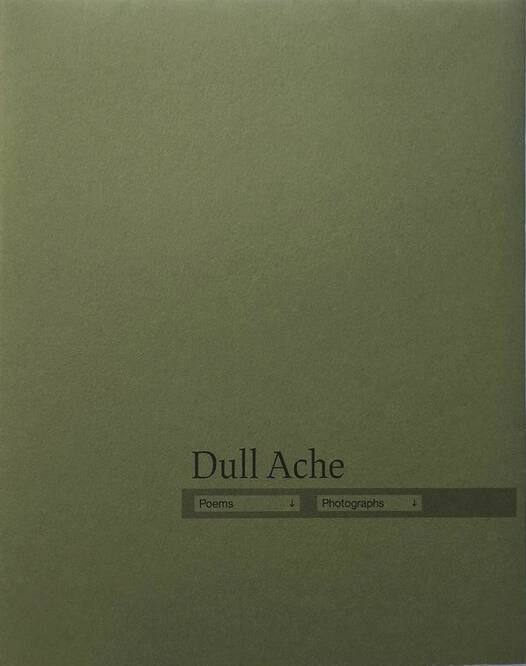
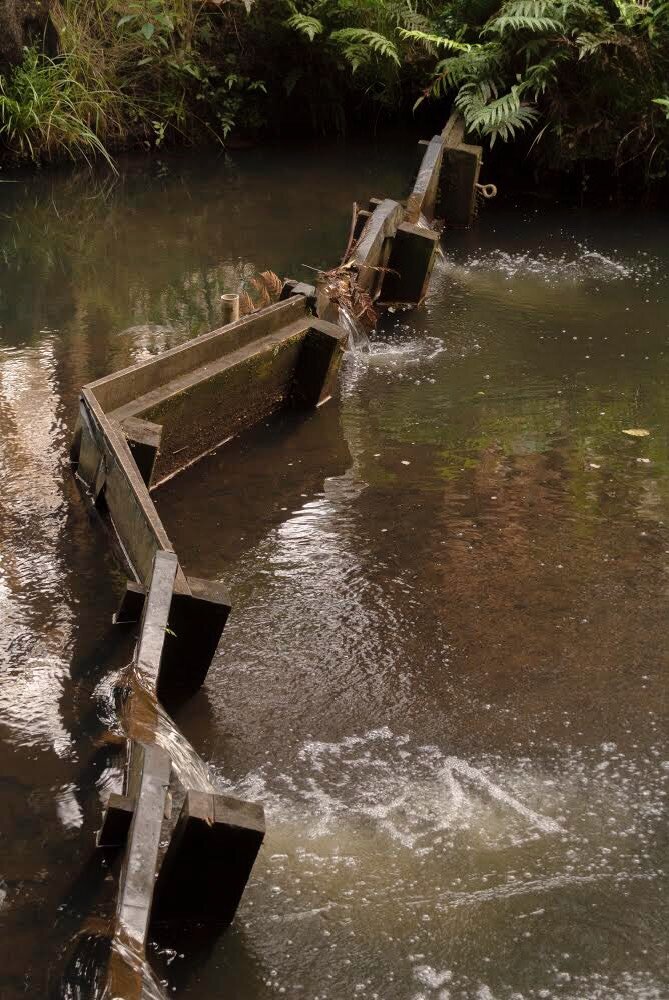
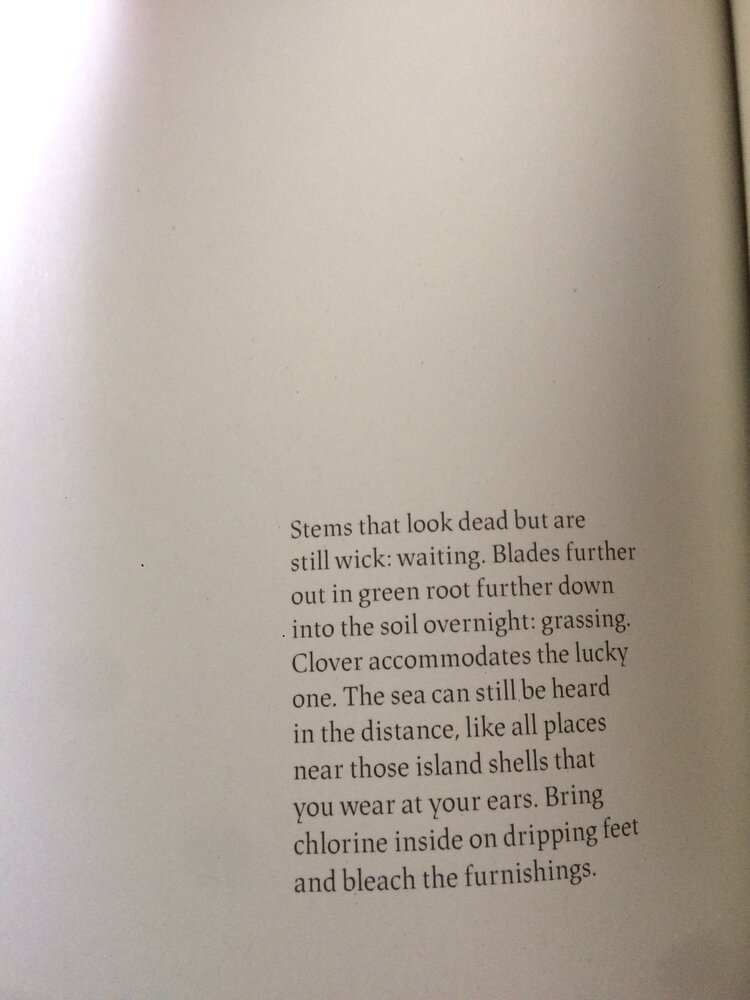
Dull Ache is a small photobook offering a place for readers to meander and seek solace. It was created by photographer Fiona Lascelles, in collaboration with poet Jasmine Gallagher. First published in early 2020, it is now in its second edition, and these are the last few hand numbered copies that will be available. It has been shown at both the Wellington Photobook Fair and Melbourne Artbook Fair in March 2020.
The following quote by Sally Mann guided the development of the interconnected words and images: “As for me, I see both beauty and the dark side of the things … and I see them at the same time … The Japanese have a phrase for this dual perception: mono no aware. It means “beauty tinged with sadness,” for there cannot be any real beauty without the indolic whiff of decay.” Sally Mann, Hold Still: A Memoir with Photographs
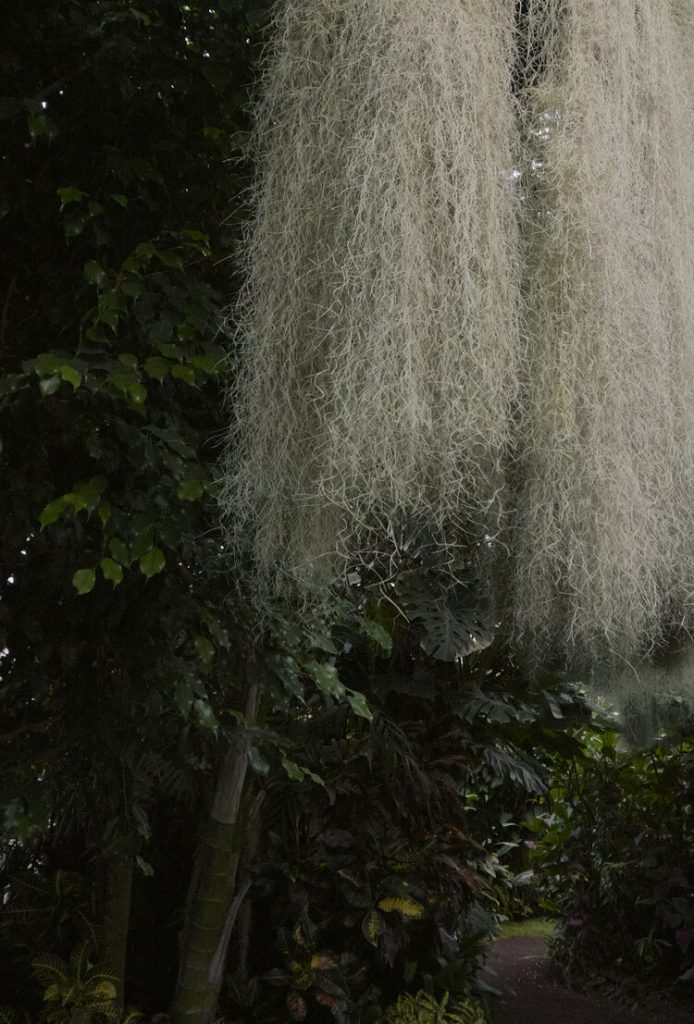
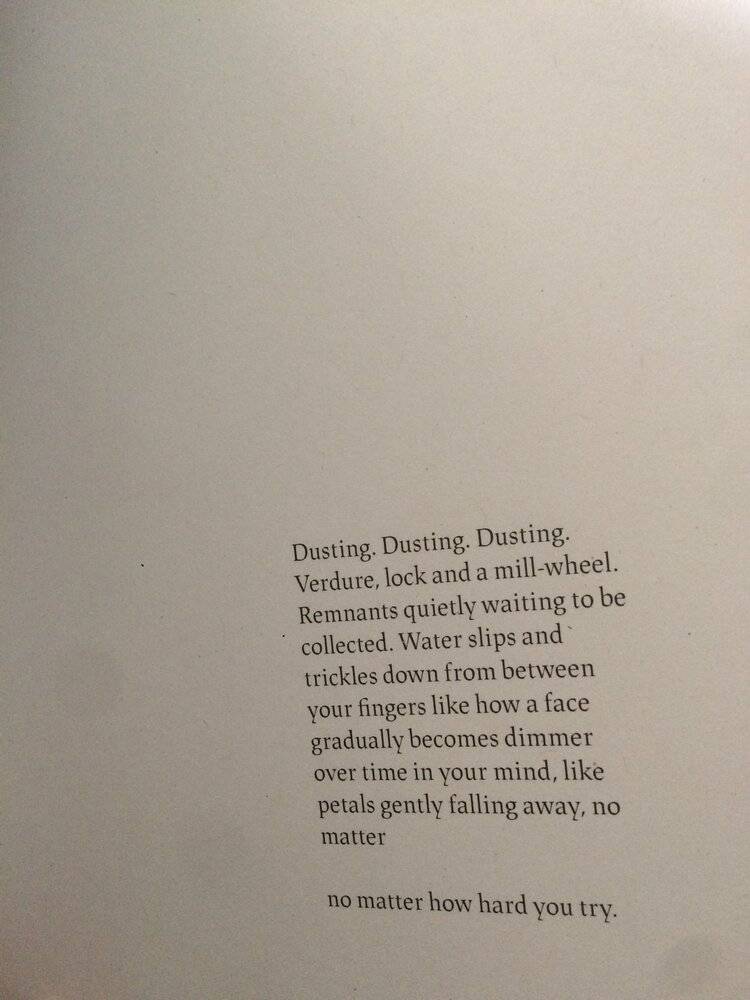
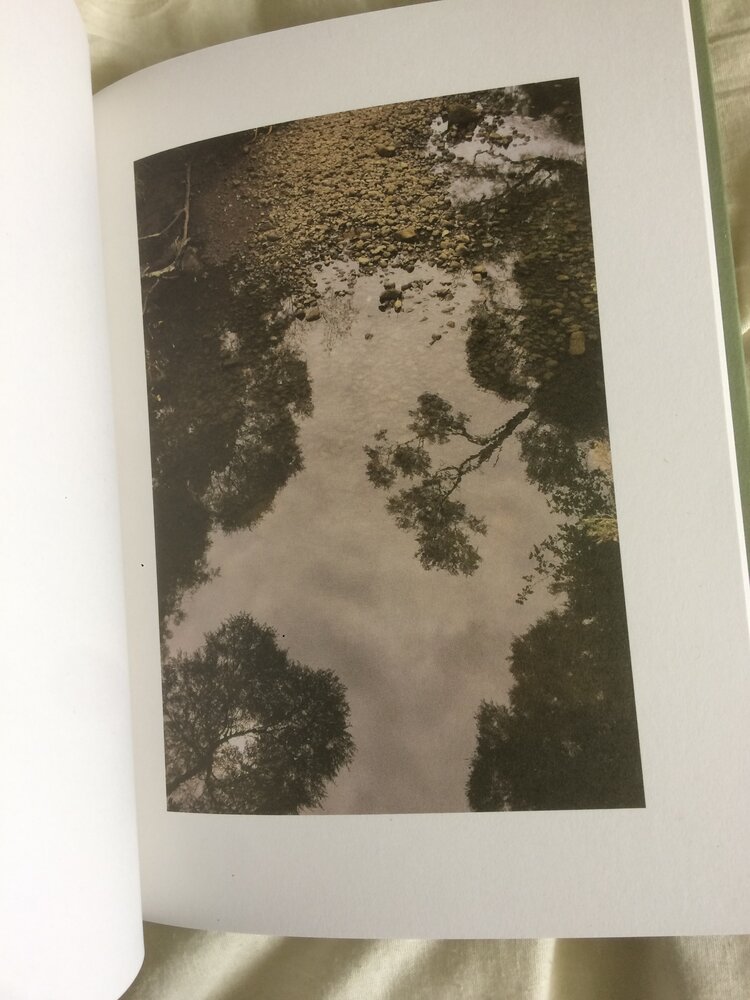
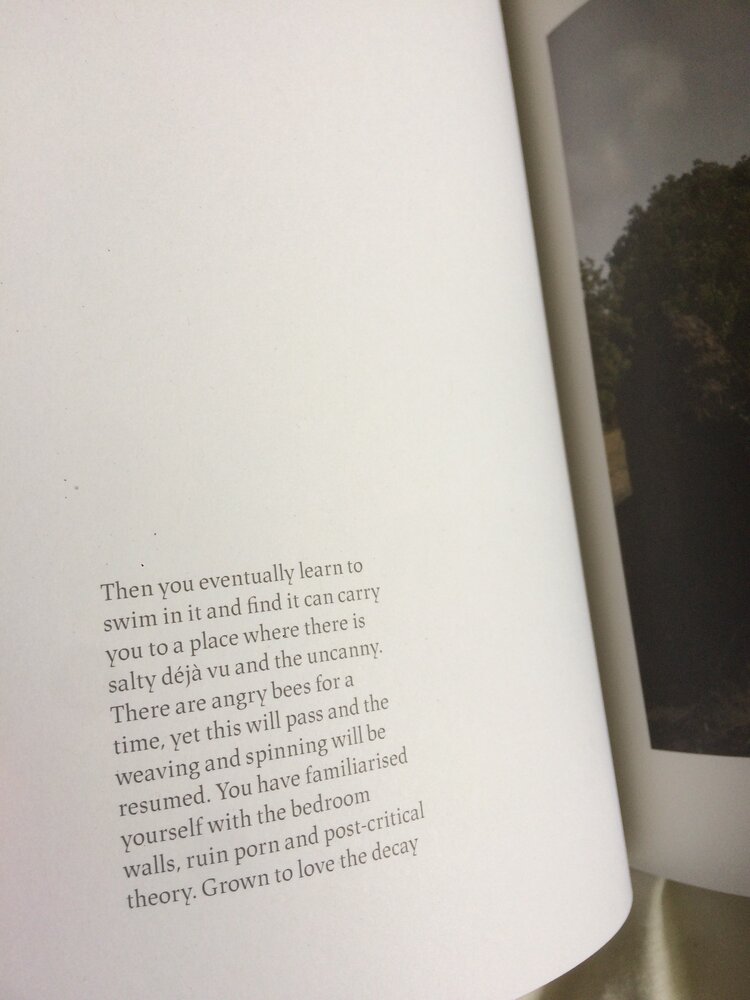
The images are quiet, and while made in a period of grief, they are not an expression of sadness but a moment for pause. And the poetic fragments are brought together to form one long poem, which meanders through the pages, forming a conversation with the photographs. This form of ecoGothic poetry responds to the hope found in nature, as a source of solace: where death is revealed not as an ending, but as a crucial part of the endless cycle of regeneration.
The dust jacket unfolds to a secret image, a secret garden, a place of contemplation. A postcard with this image is also included should the reader be willing to share their own thoughts, extending the conversation.
Jasmine Gallagher is a poet, art critic and doctoral candidate at teh University of Otago, where she is reserching landscape mythology in contemporary New Zealand art and poetry.
Fiona Lascelles is an Auckland art director who photographs the quiet and unassuming moments she encounters while going about her day.
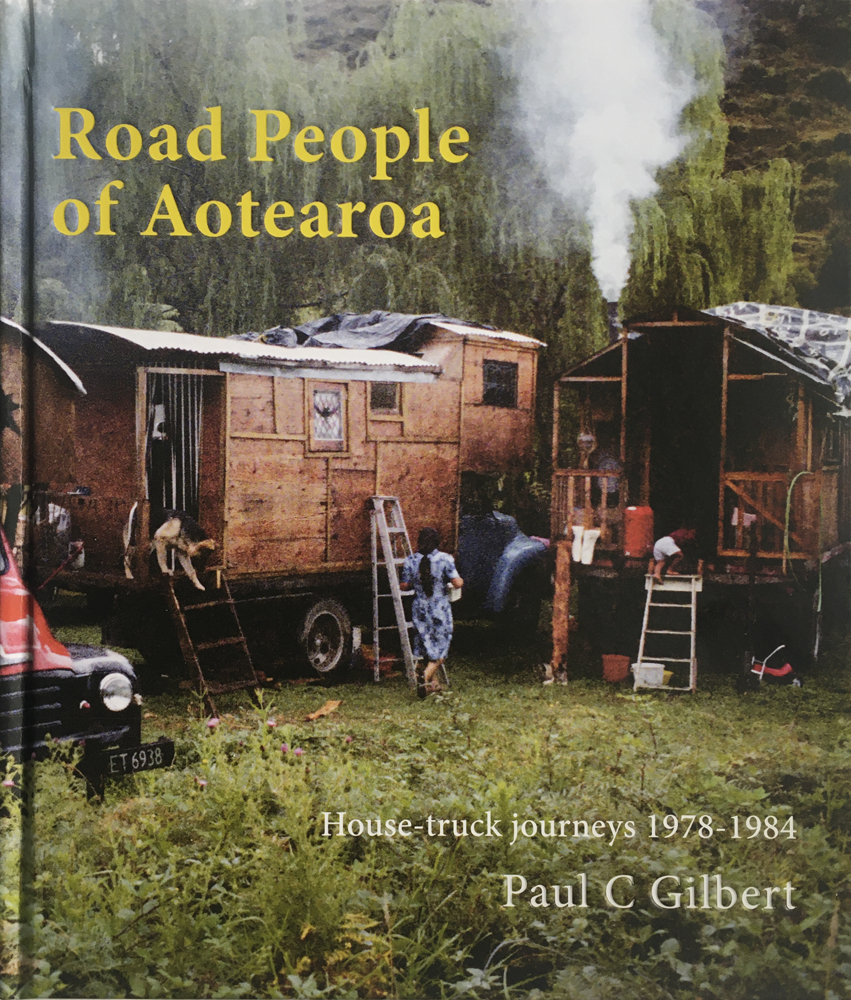
Road People of Aotearoa: Images of house-truck journeys 1978-1984 Photographs by Paul C Gilbert
Foreword by Michael Colonna Essays by Haru Sameshima and John B Turner
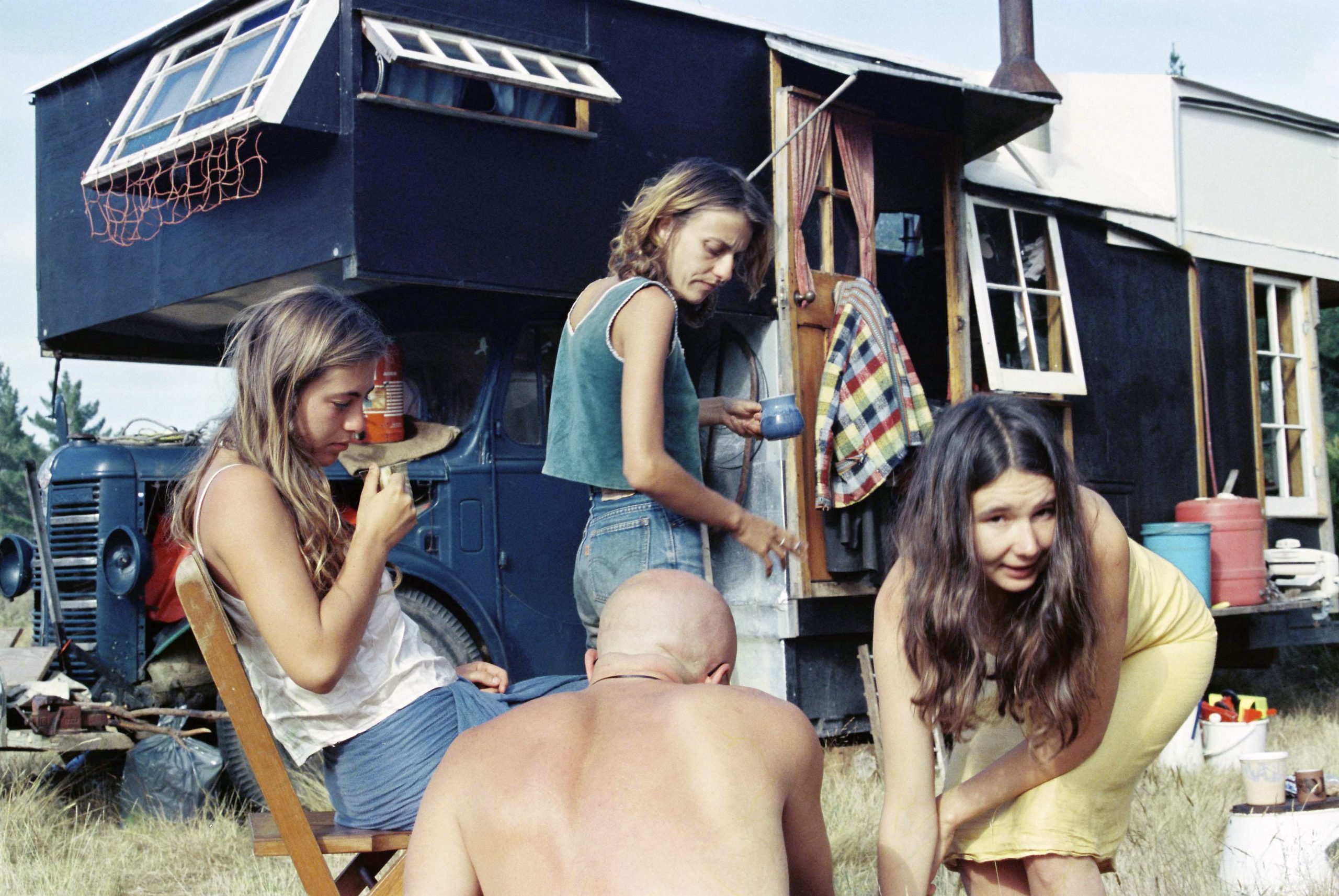
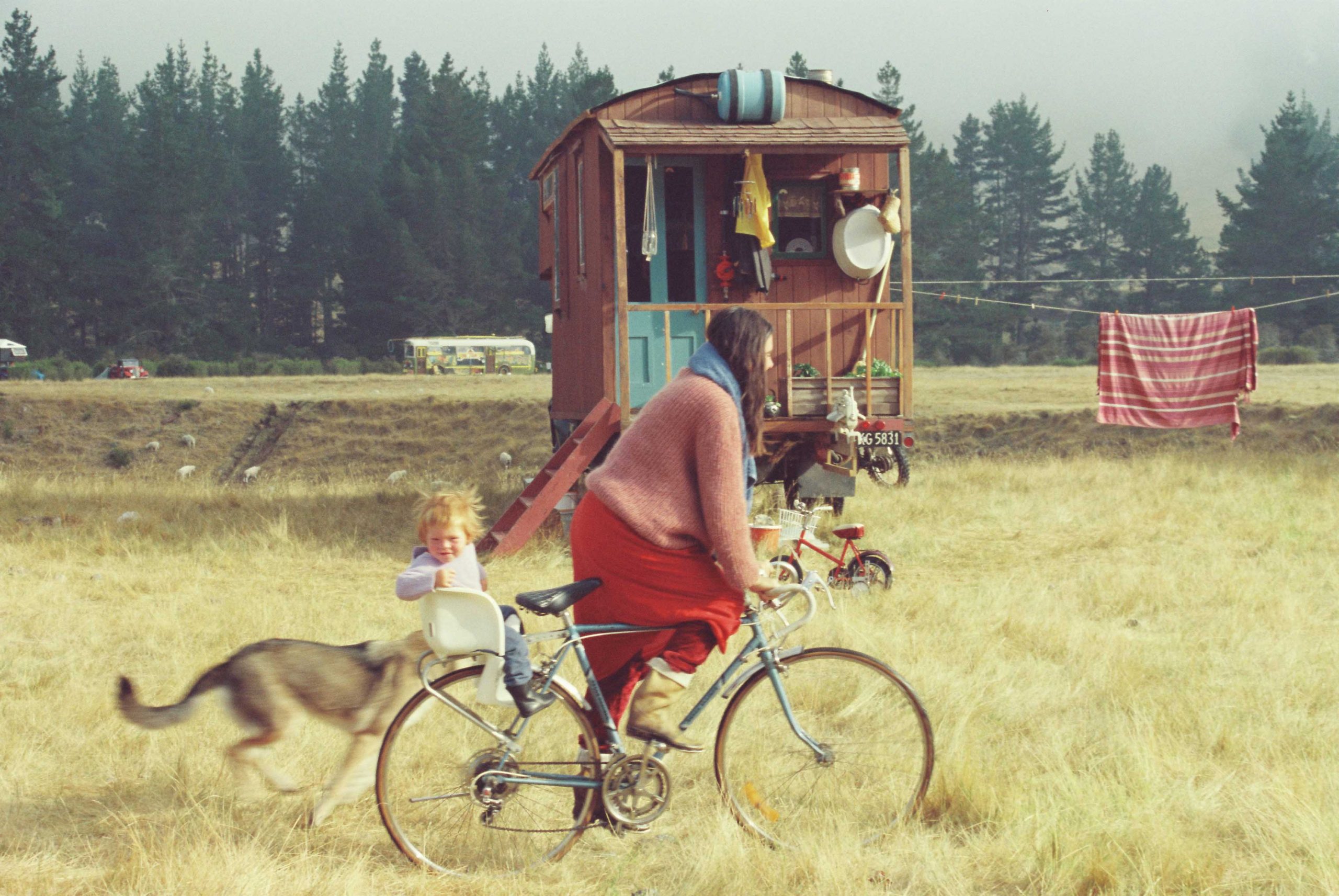
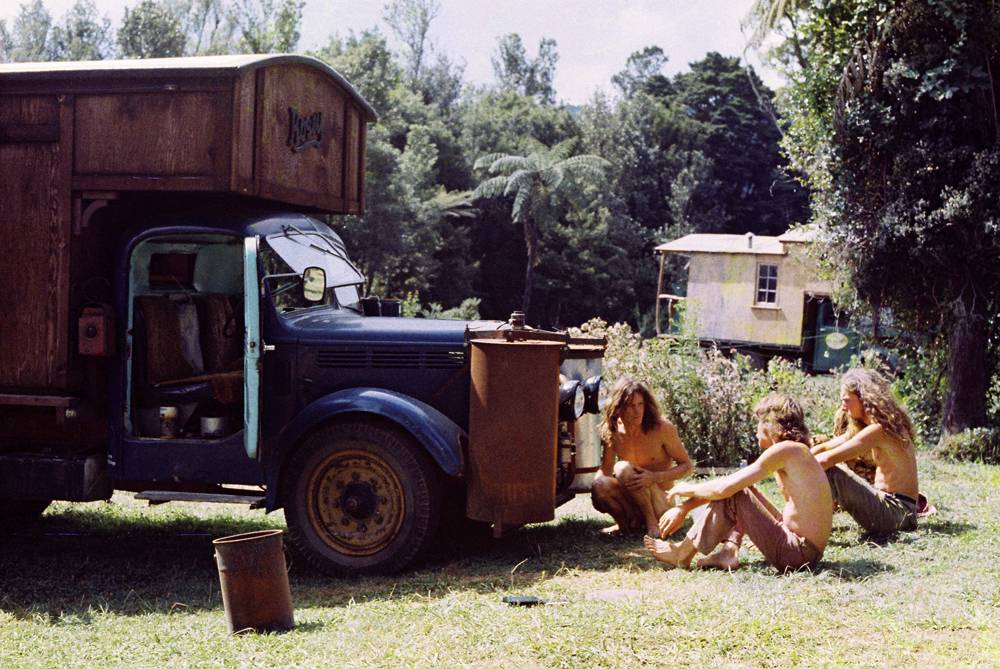
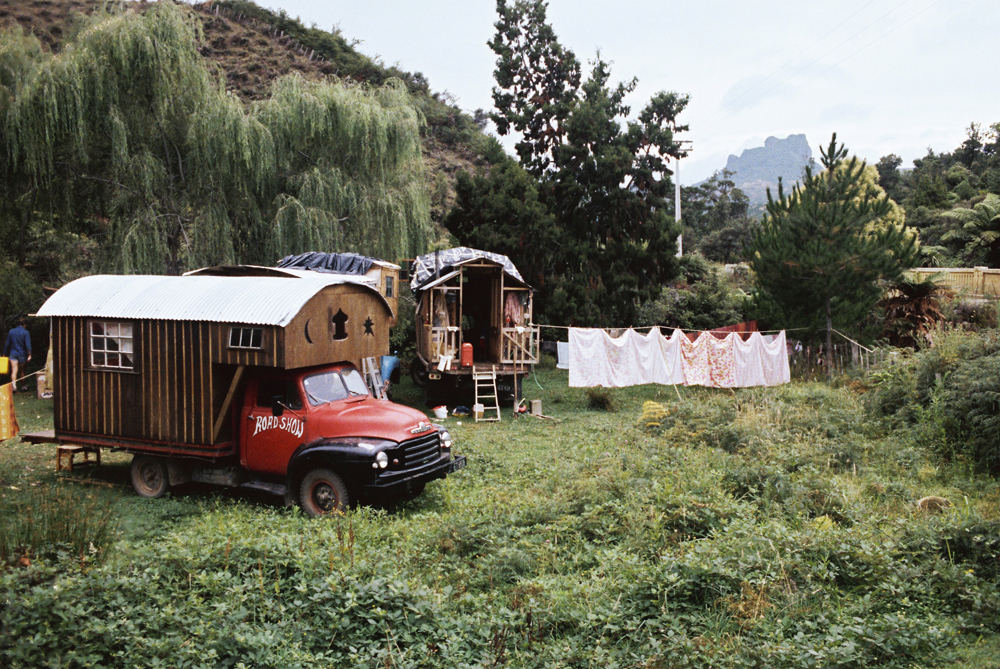
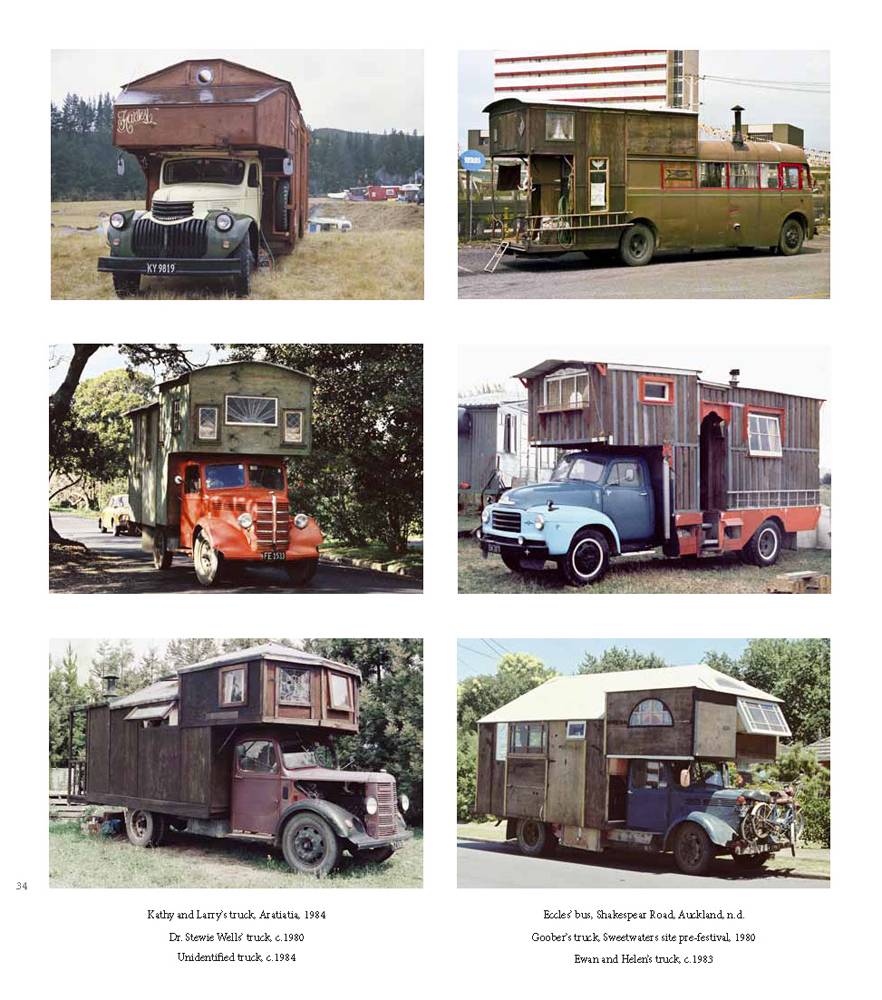
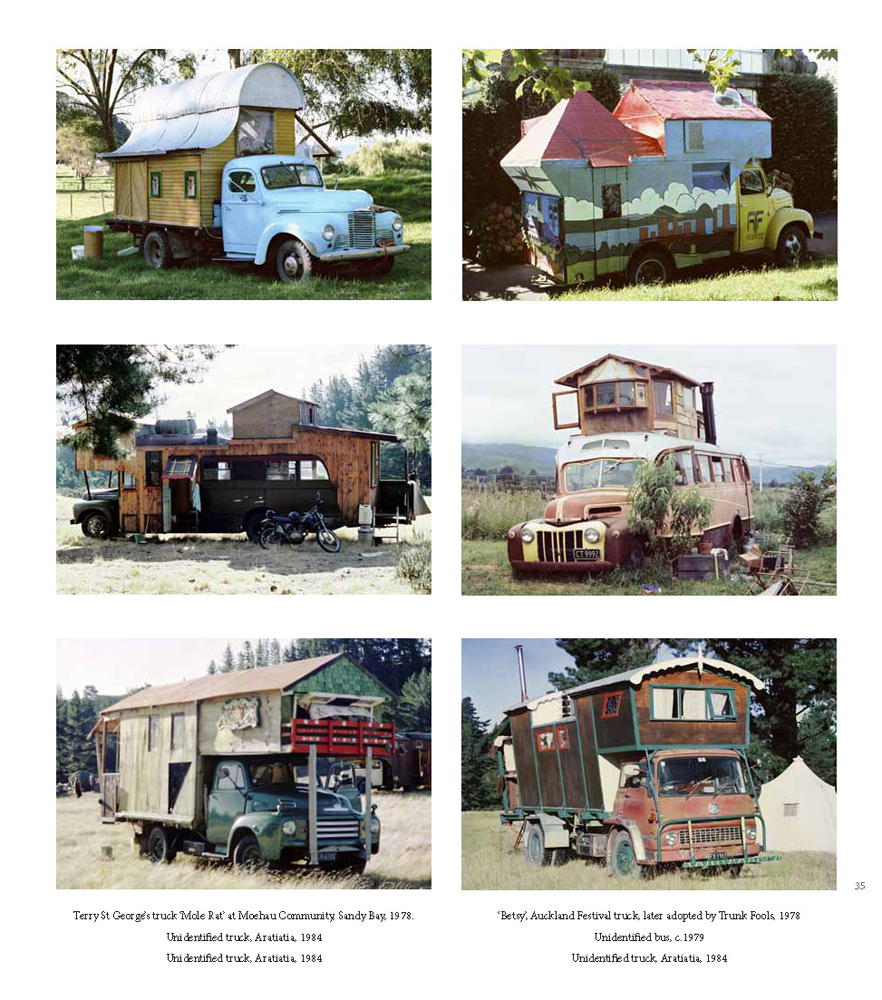
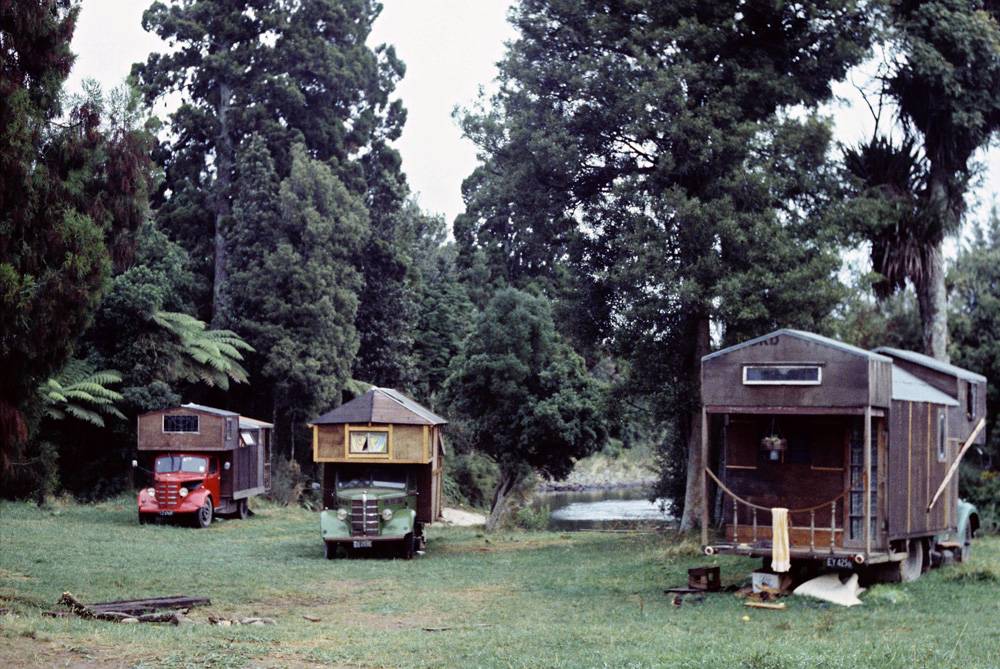
A historic photo-essay by the late Paul C. Gilbert, this book chronicles the early days of the New Zealand phenomenon of DIY house trucks, which appeared on the roads around the mid-1970s as part of an alternative lifestyle movement. The house-truckers were drawn to the alternative life and music festivals of the time, including Nambassa in the late 1970s and Sweetwaters festivals in the early 1980s. Paul Gilbert travelled with the grass-roots music and performance troupes in their convoys of hand-converted house trucks starting with ‘The Original Travelling Road Show and Mahana’, as they journeyed through small communities and music festivals around the North Island.
Paul Gilbert’s camera intimately observes the road people while building and decorating the house trucks with their wonderful interiors and also in their everyday activities. He captures their children and families and the fringe circus and musical performances in various festivals and different locations. Throughout the 1970s and 1980s, many house truck conventions and grass-roots festivals around a variety of themes were held in New Zealand where house-truckers would converge, not only for the event but for the opportunity to connect and share information with other truckers. Low-key festival circuits could be found in regions of Coromandel, Northland, and West Auckland, where, for two decades, Moller’s farm at Oratia west of Auckland, a popular venue for blues and folk festivals, offered an open house for truckers to park on a semi-permanent basis as needed. These were unique times indeed.
Paul C Gilbert (1954-2019) started taking photographs as a young boy via family influences. Early projects were developed as documentary street photography in the fine arts tradition when he was a founder member of PhotoForum NZ in 1973. He was employed as a photographer at the Department of Scientific and Industrial Research and then at the Auckland City Art Gallery in the 1970s. He left employment to pursue the project, ‘Road People of Aotearoa’ in 1978. Later, as an independent photographer, he mainly specialised in documenting maritime heritage, vessels and history. He was the technical instructor of photography at Elam School of Fine Arts at the University of Auckland from 1990 to 2008.
Haru Sameshima, in his essay, interviews many of the house truckers – to uncover the historical context of the musicians and street performers against the backdrop of the latter stages of the alternative life movement that manifested in the festivals and events in Paul’s photo-essay. The musicians, clowns, street performers, and their friends, who have now seen many of Paul’s photographs for the first time after 40 years, recount the festivals and road journeys in their own words. John B Turner, influential photography teacher at Elam School of Fine Arts from 1971 to 2011 – in his essay reflects upon Paul’s life as an individual and a photographer – and situates his image-making in the international movement of personal documentary photography, as an embedded observer of life, rather than outsider reporter/photojournalist.
Without a counterculture, what chance has the mainstream culture of improving, growing and diversifying? As well as being vehicles of imagination, poetry and a romantic life-concept, the vehicles photographed by Paul Gilbert have become a far greater force in the country’s evolving consciousness than anyone ever expected. In the present era of small houses and mobile homes, these images offer not only a prehistory but also a soundtrack and some messages worth deciphering, written with love on the fugitive walls and ceilings of the not-so-distant past.
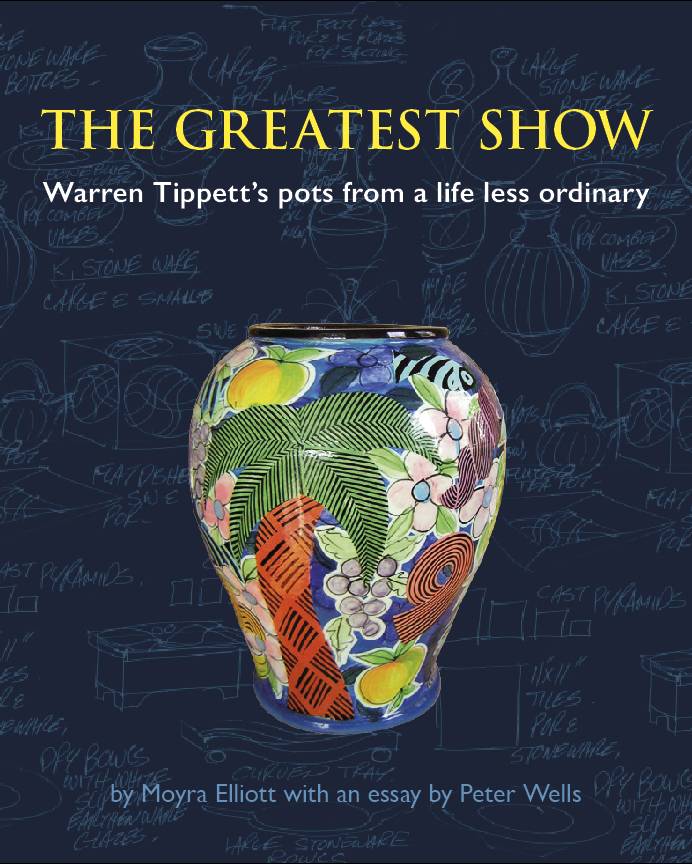
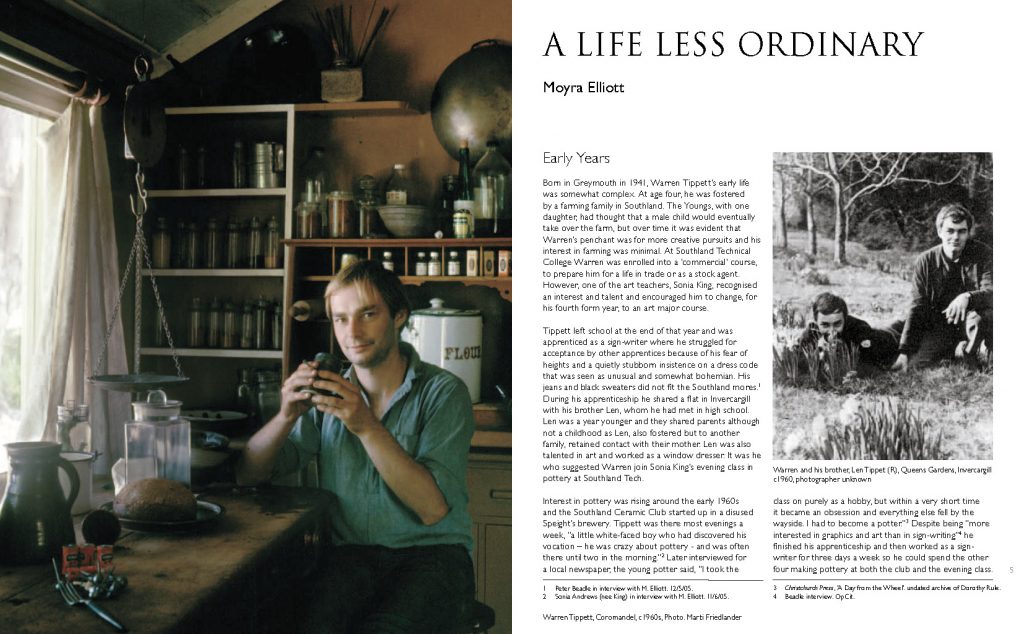
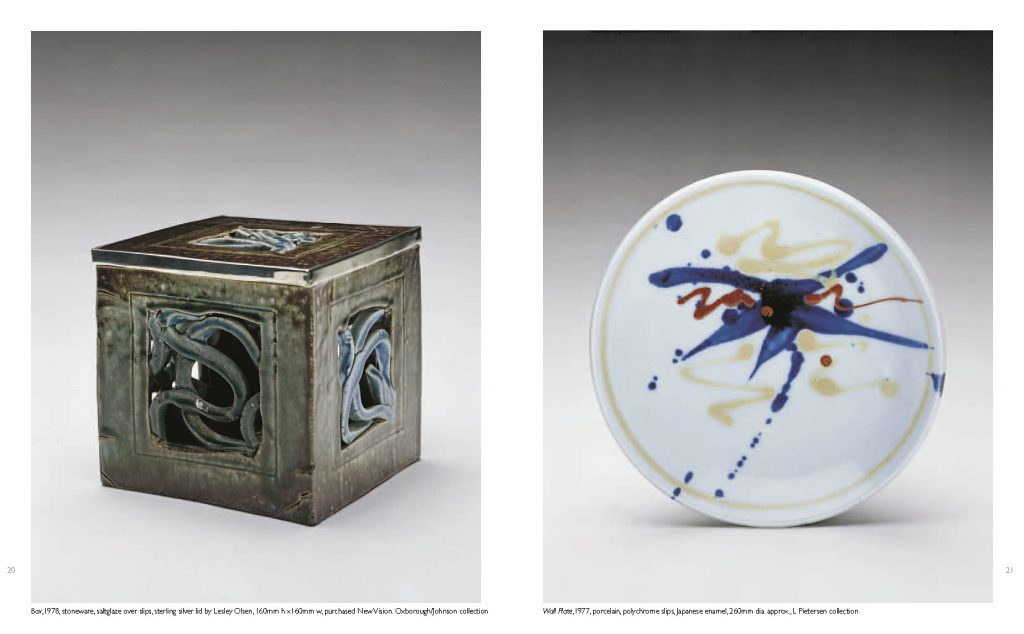
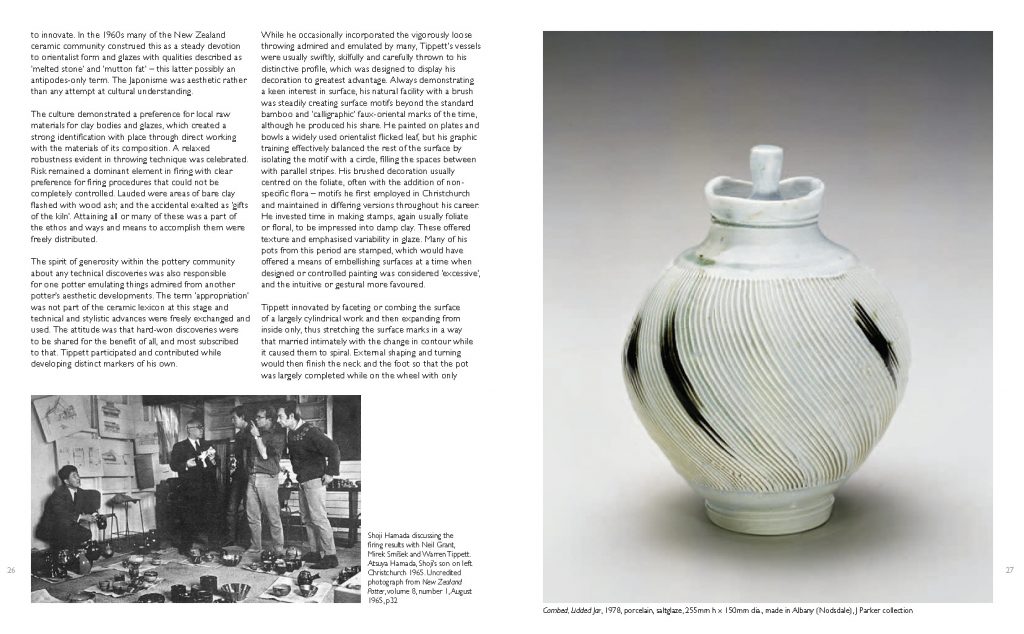
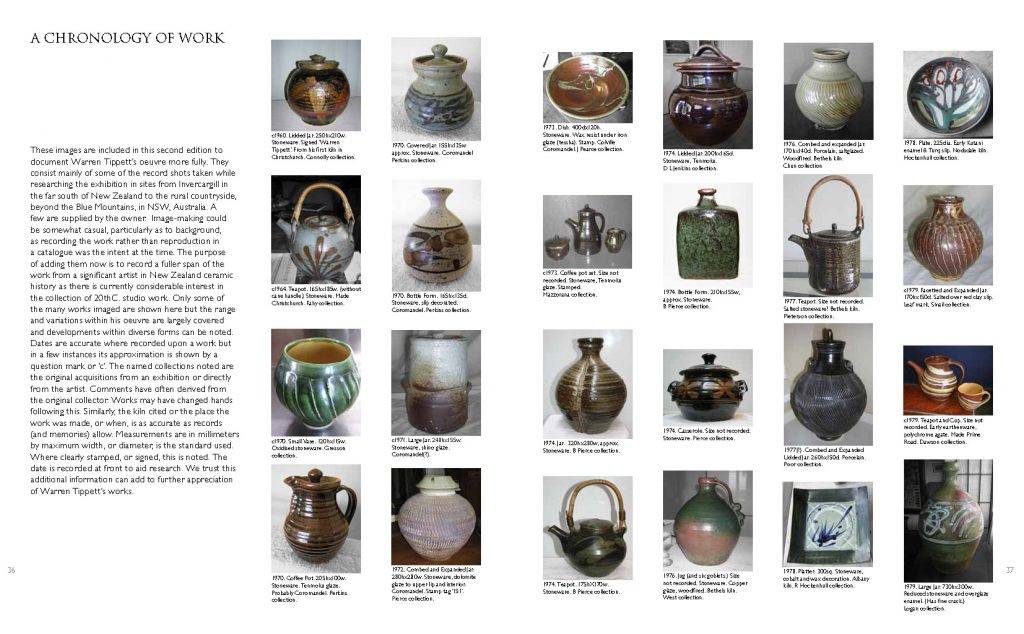
The Greatest Show: Warren Tippett’s pots from a life less ordinary
Moyra Elliott and an essay by Peter Wells. With photographs by Marti Friedlander and Studio La Gonda
Revised and expanded second edition.
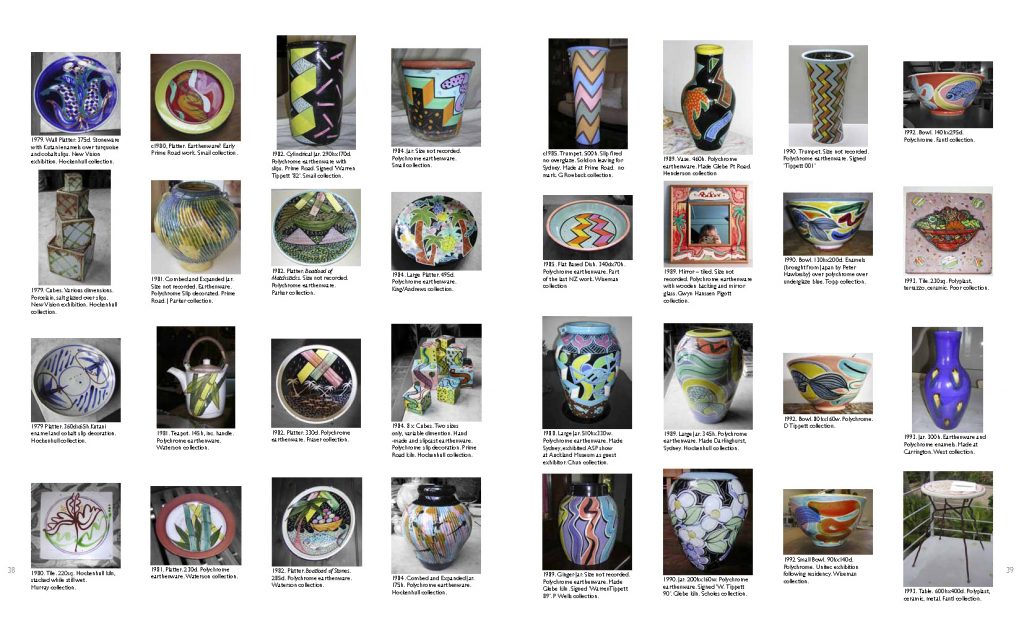
Biography and works of potter – Warren Tippett (b.1941–d.1994).
Researched and written by Moyra Elliott – co-author of Cone Ten Down: Studio Pottery in New Zealand 1945-1980, (Bateman 2009). Warren Tippett was an agent of change in New Zealand ceramic practice. He was reared as a ‘mud and water man’ in the 1960s because of where the strengths lay in the clay culture of the time with its influences from an imported Anglo-oriental style. However, he jumped ship and some twenty years after he became a potter, after playing briefly and creatively with sculpture – returned to the vessel and made the surface decoration his primary concern. He investigated areas that hitherto had been of little interest in New Zealand pottery and in doing so, connected with long histories of decorated pottery from many cultures. He also took references from his surroundings in Grey Lynn introducing palm trees, cacti and floral motifs and responded to the fresh stimulation of his urban environment with its strong Polynesian elements – lei and lava-lava and the Tongan brass band along with the vibrant street life where the raffish and the gaudy juxtaposed the cool. His new vocabulary became something unique – an expression of a region, a poly-centrist, polygenetic place located somewhere on the western Pacific part of the map.
Through his work, Tippett helped reform the canon of ceramics in New Zealand. No artist works in isolation but he was critical for the acceptance of earthenware in contemporary ceramic practice. His legacy is that he legitimised electric firing at lower temperatures which overturned an entrenched blueprint on how to make and what to make. By embracing the aesthetics more associated with pop culture, Polynesia and carnival ware, he opened doors to a healthier diversity.
The first edition of this book accompanied a retrospective exhibition of Warran Tippett’s work at Objectspace in Auckland 2005/6 curated by the author. This 2nd expanded edition features a visual chronology of Warren Tippett’s works, as well as previously unpublished portraits of Tippett by the late Marti Friedlander, and revised photographs with better reproductions of key works.
2021
ISBN 978-0-9951184-7-8
Limited to 100 copies
RRP $40, 44pp 210x260mm portrait with cover, saddle stitched.
“Warren Tippett is a seminal figure in the history of New Zealand studio ceramics because his works and lifestyle connect up key moments and significant local and international studio ceramics dynamics. In the words of curator Moyra Elliott, “Tippett helped reform the canon of ceramics in New Zealand.” Tippet started potting in Invercargill in the late 1950s. By the 1970s, and living in Coromandel, he was recognized as an important second generation figure in the ranks of potters working within the Anglo-Oriental tradition. This school of thought derives from the writings of English potter Bernard Leach which drew inspiration from medieval English and traditional Japanese and Korean pots which emphasised material, a quiet decoration and the spontaneity of the firing process. The philosophy engendered a vocational, workshop centred, pottery making life. It was this approach that informed most New Zealand studio ceramics production of the time. Moyra Elliott has pinpointed the time around the 1978 exhibition at Auckland’s New Vision Gallery and the 1980 Five by Five show at the Denis Cohn Gallery as a pivotal time in Tippett’s practice which “condense shifts in New Zealand clay practice, which actually took more than a decade, into a little over a year. The shift revolves around notions of function and diversity…there was a repositioning beyond function and into the decorative.” Changes in Tippett’s lifestyle were reflected in his work. As his interest moved from form to surface his work embraced the colourful and vibrant influences of his own Auckland and Sydney environments, the traditions of decorated Oriental and Mediterranean ceramics and contemporary international developments that located ceramics as part of a wider dynamic visual culture. In making a series of innovations within his own practice he “overturned an entrenched blueprint on how to make pots and what kind of pots to make. By embracing the formerly scorned earthenware and aesthetics more associated with pop culture, Polynesia and carnival-ware he opened the doors to a healthier diversity””.
Biography of Warren Tippett – Sarjeant Art Gallery
‘Amui ‘i Mu‘a: Ancient Futures
Dagmar Vaikalafi Dyck
Sopolemalama Filipe Tohi
with contributing essays by
Dr. Billie Lythberg, Dr. Phyllis Herda Dr. Melenaite Taumoefolauand Dr. Seini Taufa
Contemporary artists, academics and master practitioners of Tongan art celebrate the treasures of the Kingdom of Tonga and the history of their dispersal throughout world institutions and collections. Continue reading →
ENTOURAGE: aka Physical Distance Theory, or How I Learned to Stop Worrying and Love Videogames
by Tim J. Veling
Self-published artist book from Otautahi Christchurch. Available from Rim Books in limited quantity.
Author of Red Bus Diary (2006), Veling began photographing his home city of Christchurch well before the 2010-11 quakes changed the CBD forever. Since then, for the full decade, he has amassed passionate and personal observations of the transformation and rebuild, publishing many photobooks and portfolios via www.placeintime.org, a multi-platform project facilitating and promoting documentary work about Christchurch and a cross-section of its people. Place … Continue reading →
Hinemihi: Te Hokinga – The Return
Hamish Coney and Dr Keri-Anne Wikitera
with contributions by Jim Schuster, Lyonel Grant and photographs by Mark Adams
The journey of the carved house Hinemihi o Te Ao Tawhito (Hinemihi of the old world) is one defined by cataclysmic events and the unpredictability of elemental forces. Continue reading →
The Holding
Allan McDonald.
Text by Jeanette Budgett, Design by Fiona Lascelles.
The Holding is a sequence of photographs preoccupied with the pleasures of walking and reading, of experiencing the city as a book or a song. Continue reading →
. . . . . and then there were none
Harvey Benge, Jon Carapiet, Lloyd Jones, Haru Sameshima, Stu Sontier.
A collaborative book by four New Zealand-based photographers and one writer, breaks out of conventional story-telling to play out their anxieties and doubts about the world they see. Continue reading →
The Weight of the Captain’s Wrist: Paintings from the Cook, Waitangi Wallpaper & related series Peter Ireland with an introduction by Jane Stafford & Mark Williams and an essay by Gerald Barnett
The first monograph of the New Zealand painter Peter Ireland – this book surveys his practice, on the theme of Captain Cook’s voyages to the Pacific. Ireland’s exquisite, detailed and enigmatic “history painting” is beautifully reproduced in this 100pp., spot varnished, offset reproduction, to reflect the oil on paper originals. Coinciding with the 250th anniversary of the first sustained European contact with Aotearoa New Zealand, this book features … Continue reading →
Garden of Memories:Extending quilt making traditions from around the Pacific Rim Giles Peterson with Shona Pitt, Sheena Tavairanga, Lisa Reihana, Vea Mafile’o, Reina Sutton, Lina Pavaha Marsh, and Ken Khun.
Garden of Memories, curated by Giles Peterson, brings together heirloom and contemporary Pacific quilts from Peterson’s collection and uses these precious objects as the starting point for exploring contemporary craft and object-making by extending this traditional form into creative interpretations and new works by artists from across Asia and the Pacific.
Six quilts from Aotearoa and the Pacific are at the centre of the exhibition and this complementing publication. Peterson’s personal connection … Continue reading →

 A historic photo-essay by the late Paul C. Gilbert, this book chronicles the early days of the New Zealand phenomenon of DIY house trucks, which appeared on the roads around the mid-1970s as part of an alternative lifestyle movement. The house-truckers were drawn to the alternative life and music festivals of the time, including Nambassa in the late 1970s and Sweetwaters festivals in the early 1980s. Paul Gilbert travelled with the grass-roots music and performance troupes in their convoys of hand-converted house trucks starting with ‘The Original Travelling Road Show and Mahana’, as they journeyed through small communities and music festivals around the North Island.